
Green Cucumber Sensory Map
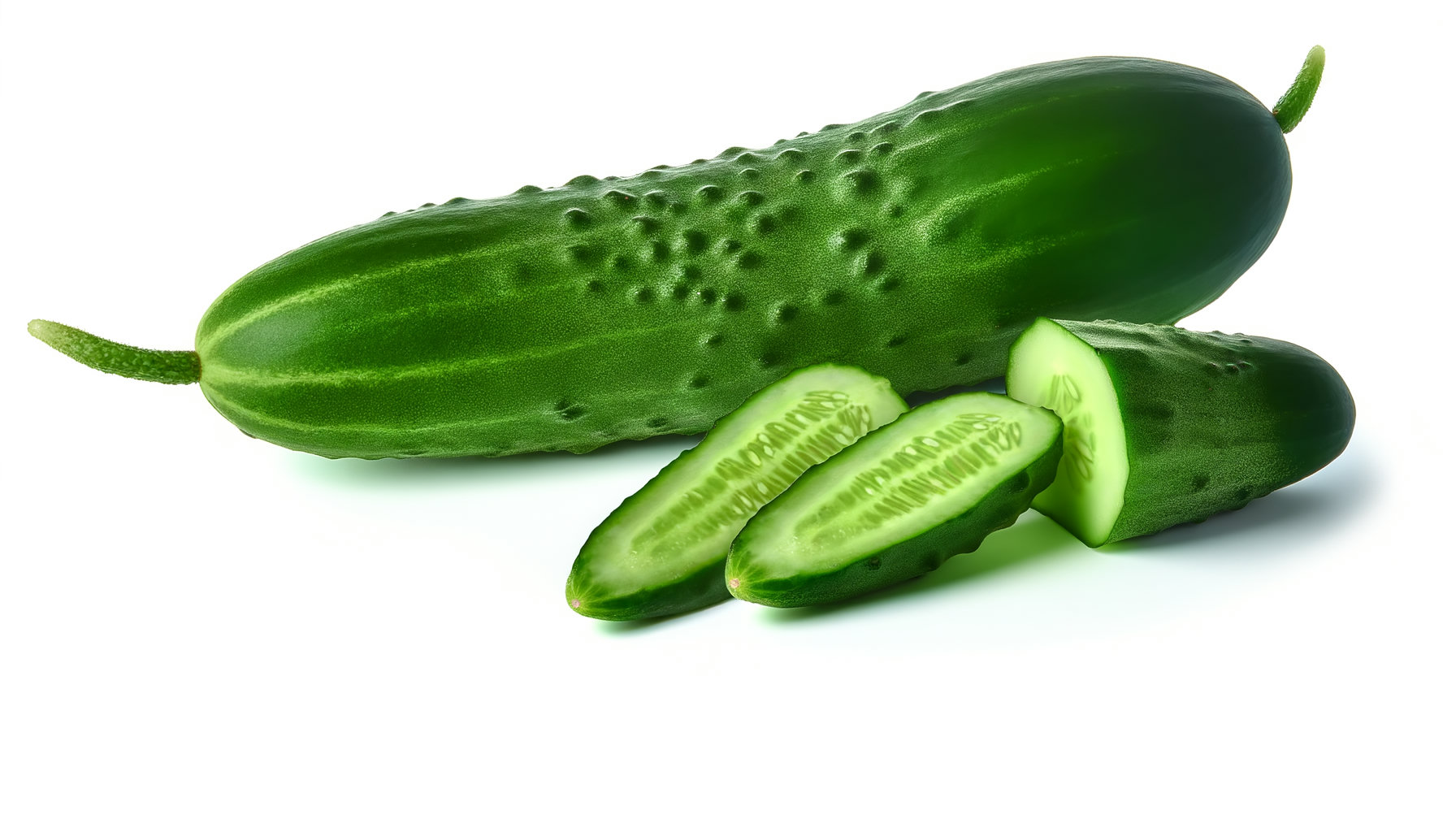
Green Cucumber
Cucumis sativus
Sensory Profile
Tastes
Basic flavor profiles
Aromas
Scent characteristics
Stimuli
Sensory sensations
Textures
Physical properties
About Green Cucumber
Green cucumber possesses a mild, refreshing flavor with a subtle sweetness and a crisp, watery texture. Its taste is often described as clean and slightly grassy, making it a versatile ingredient in both raw and cooked dishes. Cucumbers are widely used in salads, sandwiches, and as a garnish due to their hydrating qualities and crunchy texture. They are essential in dishes like tzatziki, pickles, and sushi rolls. Additionally, cucumbers can be blended into smoothies or juices for a refreshing drink, and they can be lightly sautéed or grilled to enhance their flavor in warm dishes. Cucumis sativus is believed to have originated in South Asia, particularly in India, where it has been cultivated for thousands of years. It spread to other parts of the world through trade routes and is now grown in various climates globally, making it a staple in many cuisines. Green cucumbers are characterized by their smooth, dark green skin and elongated shape, typically measuring between 6 to 9 inches in length. They are low in calories and high in water content, making them an excellent choice for hydration. The skin is often left on for added texture and nutrients, while the seeds can vary in size and tenderness depending on the variety. Freshness is key; cucumbers should be firm and free of blemishes for optimal flavor.
Associated health effects(18)
- Antioxidant
- Allergic Reactions
- Gut Motility Enhancement
- Blood Sugar Support
- Vitamin K Source
- Blood Sugar Regulation
- Vision Protection
- Kidney Support
- Dietary Fiber
- Skin Health
- Bone Health
- Cholesterol Management
- Weight Management
- Hydration Support
- Neuroprotection
- Digestive Health
- Anticancer Potential
- Anti-inflammatory
Nutrition per 100 g(4)
- Energy: 16 kcal
- Protein: 0.7 g
- Fat: 0.1 g
- Fiber: 0.5 g