
Green tea Sensory Map
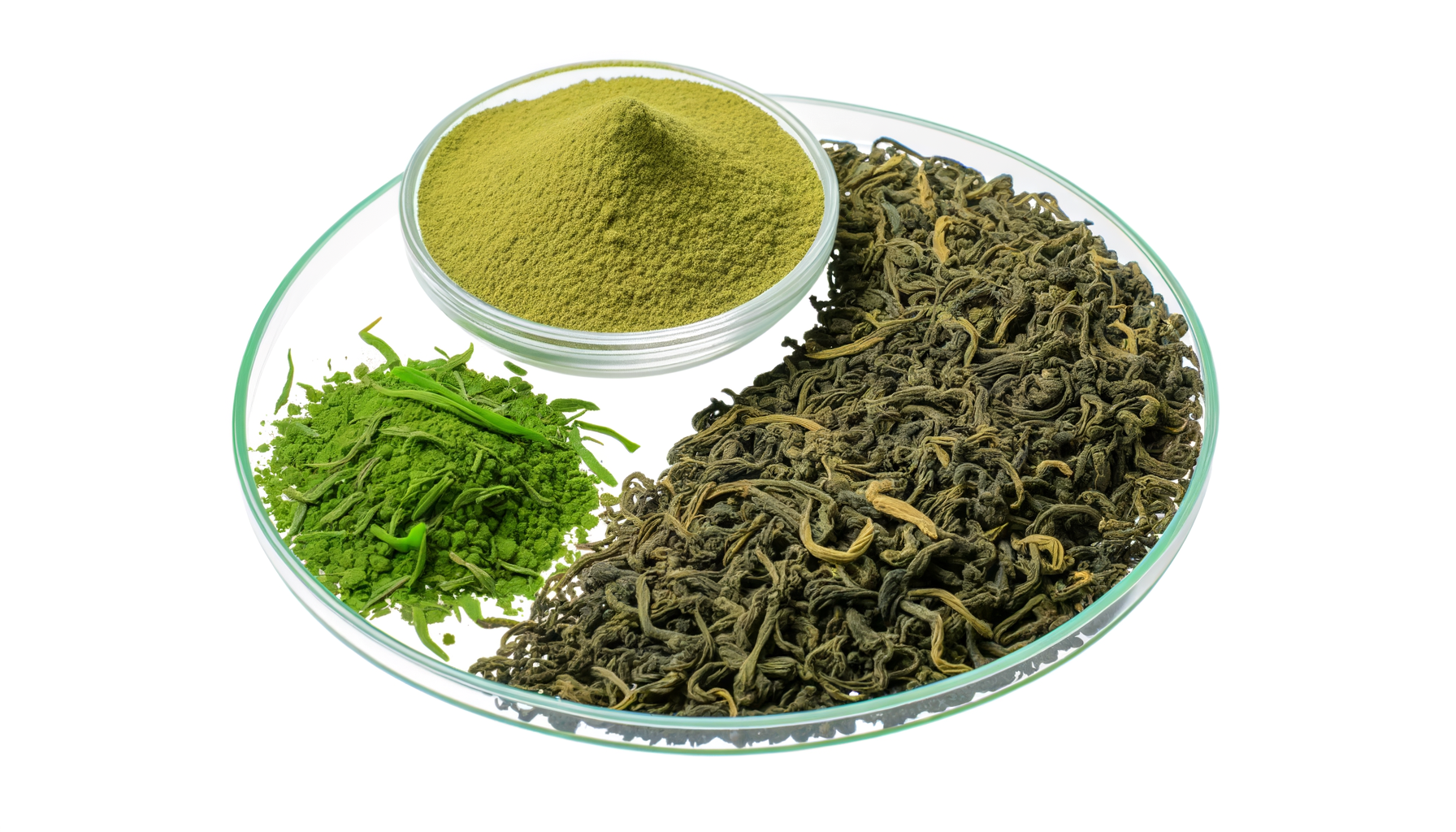
Green tea
Camellia sinensis viridis
Sensory Profile
Tastes
Basic flavor profiles
Aromas
Scent characteristics
Stimuli
Sensory sensations
Textures
Physical properties
About Green tea
Green tea is celebrated for its delicate, fresh flavor, often described as grassy or vegetal, with subtle notes of sweetness and a hint of astringency. The taste can vary significantly depending on the processing method and region of cultivation, ranging from light and floral to more robust and umami-rich. Primarily consumed as a beverage, green tea is enjoyed hot or iced and is often used in traditional tea ceremonies. Its versatility extends to culinary applications, where it can be infused into broths, sauces, and dressings. Additionally, green tea powder, known as matcha, is increasingly popular in baking, smoothies, and desserts, imparting both flavor and a vibrant green color. Green tea originates from the Camellia sinensis plant, native to East Asia. Its cultivation dates back over 4,000 years, with China being the primary producer. Various regions, including Japan, Korea, and Taiwan, have developed distinct varieties and processing techniques, contributing to the rich diversity of flavors and aromas. Green tea is characterized by its minimal oxidation during processing, which preserves its natural green color and health-promoting compounds, such as catechins and antioxidants. The leaves are typically steamed or pan-fired to halt oxidation, resulting in a fresh, vibrant taste. The tea's health benefits, including potential weight loss support and improved mental clarity,
Associated health effects(16)
- Blood Pressure Support
- Antioxidant
- Nephroprotection
- Liver Toxicity
- Cancer-Preventive
- Immune Booster
- Vision Protection
- Digestive Irritation
- Skin Health
- Cholesterol Management
- Weight Management
- Reproductive Risk
- Heart Health
- Sleep Disruption
- Anti-inflammatory
- Cognitive Support
Nutrition per 100 g(4)
- Energy: 1 kcal
- Protein: 0 g
- Fat: 0.2 g
- Fiber: 0 g