
Gruyere Sensory Map
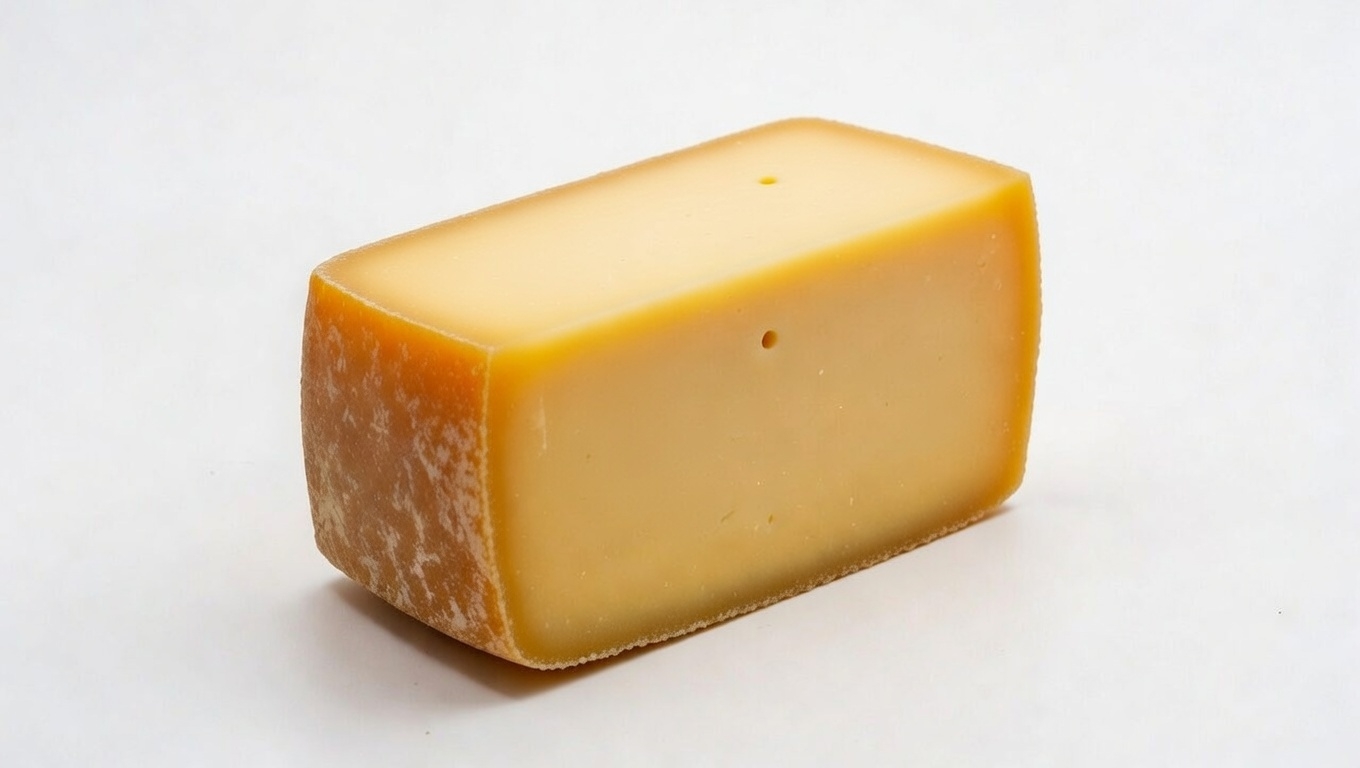
Gruyere
Caseus gruyère
Sensory Profile
Tastes
Basic flavor profiles
Aromas
Scent characteristics
Stimuli
Sensory sensations
Textures
Physical properties
About Gruyere
Gruyère (Caseus gruyère) is a celebrated Swiss cheese renowned for its complex flavor profile and remarkable versatility in culinary applications. With a rich, nutty aroma reminiscent of toasted hazelnuts and a subtle hint of caramel, Gruyère offers a creamy, slightly granular texture that melts beautifully, making it ideal for both cooking and snacking. The cheese's flavor deepens with aging, developing savory notes of umami and a slight earthiness, which are enhanced by the natural fermentation processes that occur during its maturation, typically lasting from 5 months to over a year. In classic dishes such as French onion soup, fondue, and croque monsieur, Gruyère's melting properties and robust flavor profile contribute essential depth and richness, while its ability to form a golden, bubbly crust when baked adds a delightful textural contrast. The cheese's high fat content and protein structure allow it to emulsify smoothly, creating a luscious mouthfeel that elevates these traditional recipes. Originating from the Gruyères region in Switzerland, this cheese holds cultural significance as a staple in Swiss cuisine, often associated with communal dining experiences like fondue. Traditional production methods involve the use of raw cow's milk from local breeds, which is heated and combined with rennet, followed by a meticulous aging process in cellars that fosters the development of its distinctive flavors and aromas. What sets Gruyère apart is its unique combination of chemical characteristics and aging processes; the presence of specific bacteria and enzymes during fermentation contributes to its complex flavor, while the natural aging environment allows for the development of a firm yet pliable texture. This intricate balance of sensory attributes and culinary functionality makes Gruyère an indispensable ingredient in both rustic and refined dishes, celebrated by chefs and food enthusiasts alike.
Associated health effects(48)
- Short-Chain Fatty Acid Support
- Calcium-Protein Bone Density Support
- Satiety Enhancement
- Micronutrient Density
- Keto Diet Compatibility
- Milk Allergy
- Allergic Reactions
- Cardiovascular Health
- Vitamin B12 Nervous System Support
- Short-Chain Fatty Acid Production
- Saturated Fat and Cholesterol
- Lysine Provision
- Sodium Content
- Milk Fat Globule Membrane Support
- Protein Digestibility
- Easily Digestible Protein Support
- Bioactive Peptide Blood Pressure Support
- Satiety Modulation
- Blood Sugar Regulation
- High Sodium Content
- Immune Modulation
- Muscle Protein Support
- Lactose-Free Nature
- High Saturated Fat Content
- Monounsaturated Fatty Acid Support
- Lactose Reduction via Aging
- Obesity and Weight Gain
- Bone Health
- Anemia Prevention
- Phosphorus
- Conjugated Linoleic Acid Support
- Protein Content
- Dental Caries Risk Reduction
- Vitamin and Mineral Support
- Muscle Mass Preservation
- Lactic Fermentation-Mediated Gut Microbiota Modulation
- Bioactive Peptide Support
- Probiotic Support (Fermented Cheese)
- Weight Gain
- Vitamin K2 Support
- Leucine-Mediated Muscle Protein Synthesis Enhancement
- Colorectal Cancer Risk Reduction
- Sodium Overload
- Digestive Aid
- Vitamin A Source
- Anti-inflammatory
- A2 Casein Digestive Tolerance
- Complete Protein Profile
Nutrition per 100 g(4)
- Energy: 399 kcal
- Protein: 29 g
- Fat: 32 g
- Fiber: 0 g