
Guar Gum Sensory Map
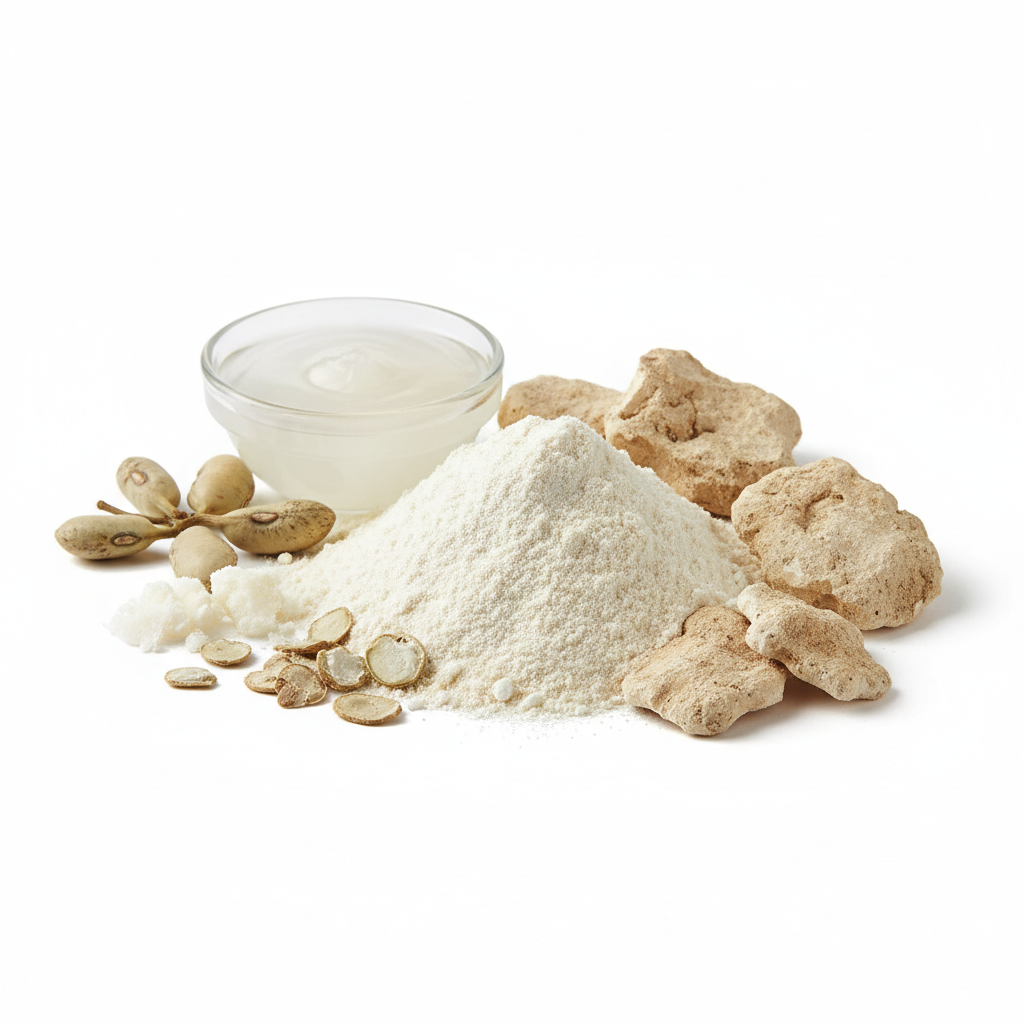
Guar Gum
Cyamopsis tetragonolobus
Sensory Profile
Tastes
Basic flavor profiles
Aromas
Scent characteristics
Stimuli
Sensory sensations
Textures
Physical properties
About Guar Gum
Guar Gum (Cyamopsis tetragonolobus; E412, yellow label = no known side effects; can cause nausea, flatulence and cramps) Derived from the endosperm of the drought-resistant cluster bean, Guar Gum functions as a high-potency galactomannan polysaccharide that exhibits a neutral sensory profile, possessing no inherent aroma and a clean, flavorless palate that ensures the integrity of delicate base ingredients remains uncompromised. In professional patisserie and commercial dairy production, it is indispensable for its ability to inhibit ice crystal growth through superior water-binding capacity, resulting in the ultra-smooth, slow-melting kinetics characteristic of premium French-style ice creams and gelato. Beyond frozen applications, it serves as a critical structural scaffolding in gluten-free baking—such as in artisanal sorghum or rice-flour boules—where it mimics the viscoelastic properties of gluten by trapping carbon dioxide bubbles during fermentation, thereby providing the necessary crumb elasticity and tensile strength that prevents crumbling. Historically cultivated in the arid regions of Northwest India and Pakistan, the seeds undergo a mechanical de-husking and milling process to produce a fine, off-white powder that boasts nearly eight times the thickening power of cornstarch. What distinguishes Guar Gum from other hydrocolloids like Xanthan is its unique cold-water solubility and synergistic behavior with other gums; when hydrated, it creates a non-Newtonian, shear-thinning viscosity that provides a rich, fatty mouthfeel in low-fat emulsions without the need for heat activation or chemical catalysts.
Associated health effects(15)
- Digestive Motility Enhancement
- Colonic Transit Enhancement
- Constipation Relief
- Flatulence and Bloating
- Digestive Bulk Support
- Blood Cholesterol Reduction
- Drug Absorption Interference
- Blood Sugar Regulation
- Esophageal Obstruction Risk
- Bowel Regularity Improvement
- Digestive Discomfort
- Cholesterol Absorption Inhibition
- Antidiarrheal Activity
- Digestive Prebiotic Support
- Digestive Health
Nutrition per 100 g(4)
- Energy: 348 kcal
- Protein: 1 g
- Fat: 0.5 g
- Fiber: 80 g