
Guava Sensory Map
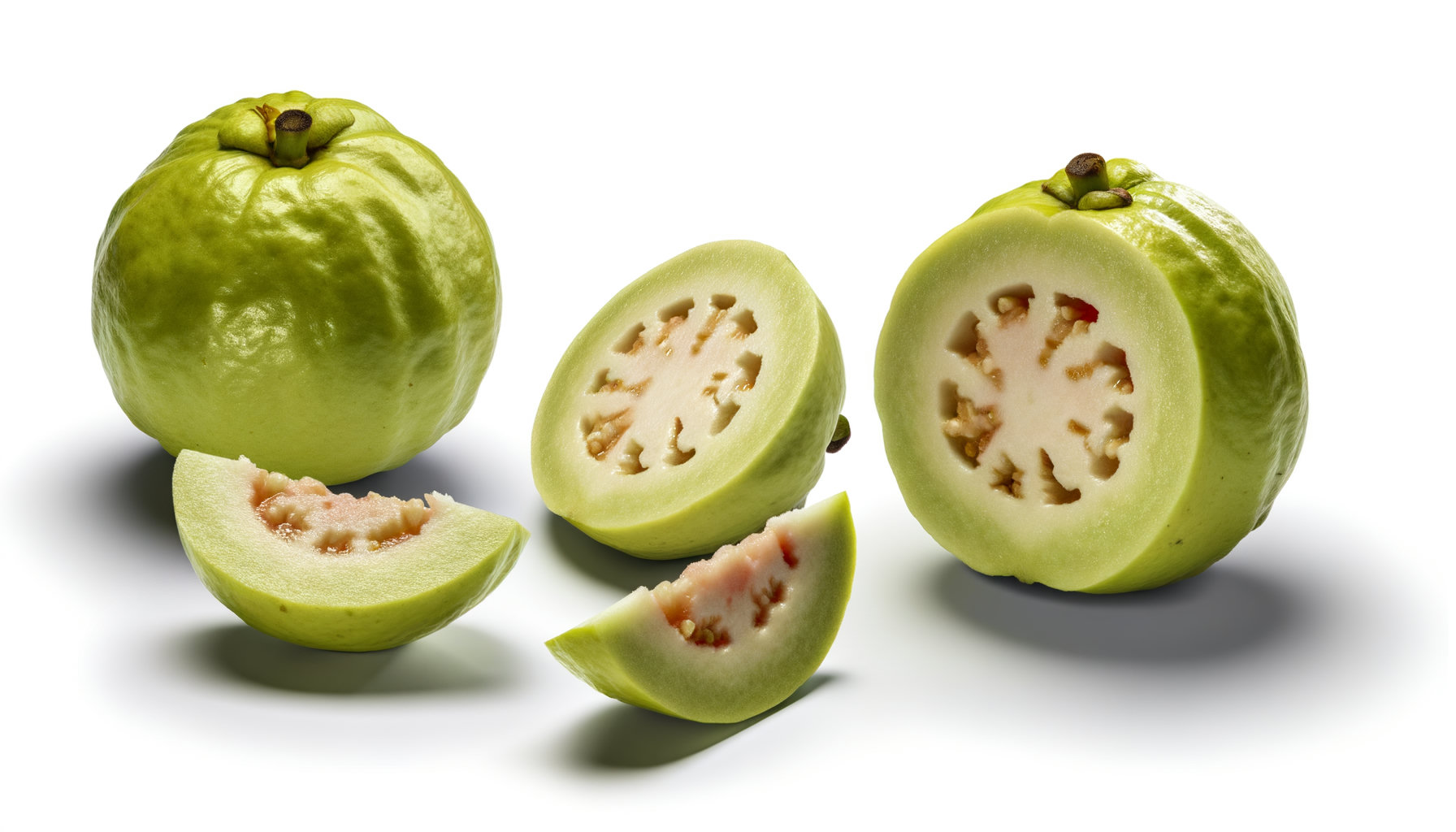
Guava
Psidium guajava
Sensory Profile
Tastes
Basic flavor profiles
Aromas
Scent characteristics
Stimuli
Sensory sensations
Textures
Physical properties
About Guava
Guava (Psidium guajava) is a tropical fruit renowned for its complex sensory profile, which features a sweet, musky aroma reminiscent of ripe strawberries and pears, often with a hint of citrus zest. The flesh can vary in texture from creamy to slightly grainy, depending on the variety, and is typically enveloped in a thin, edible skin that ranges from green to yellow or pink. Its flavor is a delightful balance of sweetness and acidity, with tropical notes that can evoke hints of pineapple and passion fruit, making it an excellent ingredient for both savory and sweet applications. In culinary contexts, guava shines in iconic dishes such as *guava paste* used in traditional Latin American desserts, where its natural sweetness complements rich cheeses and meats, creating a harmonious balance of flavors and textures. Additionally, it is a key ingredient in *agua fresca*, a refreshing beverage that highlights its juicy essence, often enhanced with lime juice to amplify its tartness and invigorate the palate. The fruit's high pectin content also makes it ideal for jams and jellies, where it acts as a natural thickening agent, creating a luscious spread that captures its vibrant flavor. Originating from Central America and the Caribbean, guava holds cultural significance in various regional cuisines, often symbolizing abundance and prosperity. Traditional production methods include hand-harvesting to ensure optimal ripeness, as the fruit does not continue to ripen significantly after being picked. This careful attention to harvesting is crucial, as the fruit's flavor profile can vary dramatically based on its maturity at the time of harvest. What sets guava apart is its unique chemical composition, rich in vitamins A and C, and its ability to enhance the flavor of other ingredients without overpowering them. The fruit's natural sugars caramelize beautifully when cooked, lending a rich depth to sauces and glazes, while its acidity can brighten heavier dishes, making it an invaluable component in both contemporary and traditional culinary practices.
Associated health effects(39)
- Menstrual Pain Relief
- Vitamin C Source
- Blood Pressure Support
- Sebum Regulation
- Insulin Sensitivity Enhancement
- Micronutrient Density
- Constipation Relief
- Oral Plaque and Gingivitis Reduction
- Antioxidant
- Joint Pain Relief
- Analgesic Activity
- Blood Pressure Reduction
- Folate Source
- IBS Symptom Relief
- Pain Relief
- Menstrual Cramp Relief
- Polyphenol-Mediated Gastrointestinal Protection
- HDL Cholesterol Elevation
- Antidiabetic Activity
- Blood Sugar Regulation
- Immune Booster
- Polyphenol-Mediated Antioxidant Activity
- Iron Content Support
- Mineral Content
- Dietary Fiber
- Carbazole Alkaloid Antioxidant Activity
- Cholesterol Management
- Anemia Prevention
- Antidiarrheal Activity
- Hypolipidemic Activity
- Alpha-glucosidase Inhibition
- Vitamin and Mineral Support
- LDL Cholesterol Reduction
- Antibacterial
- Potassium
- Fiber Content
- Triglyceride Reduction
- Digestive Aid
- Anti-inflammatory
Nutrition per 100 g(4)
- Energy: 68 kcal
- Protein: 2.6 g
- Fat: 0.6 g
- Fiber: 5.4 g