
Habanero Sensory Map
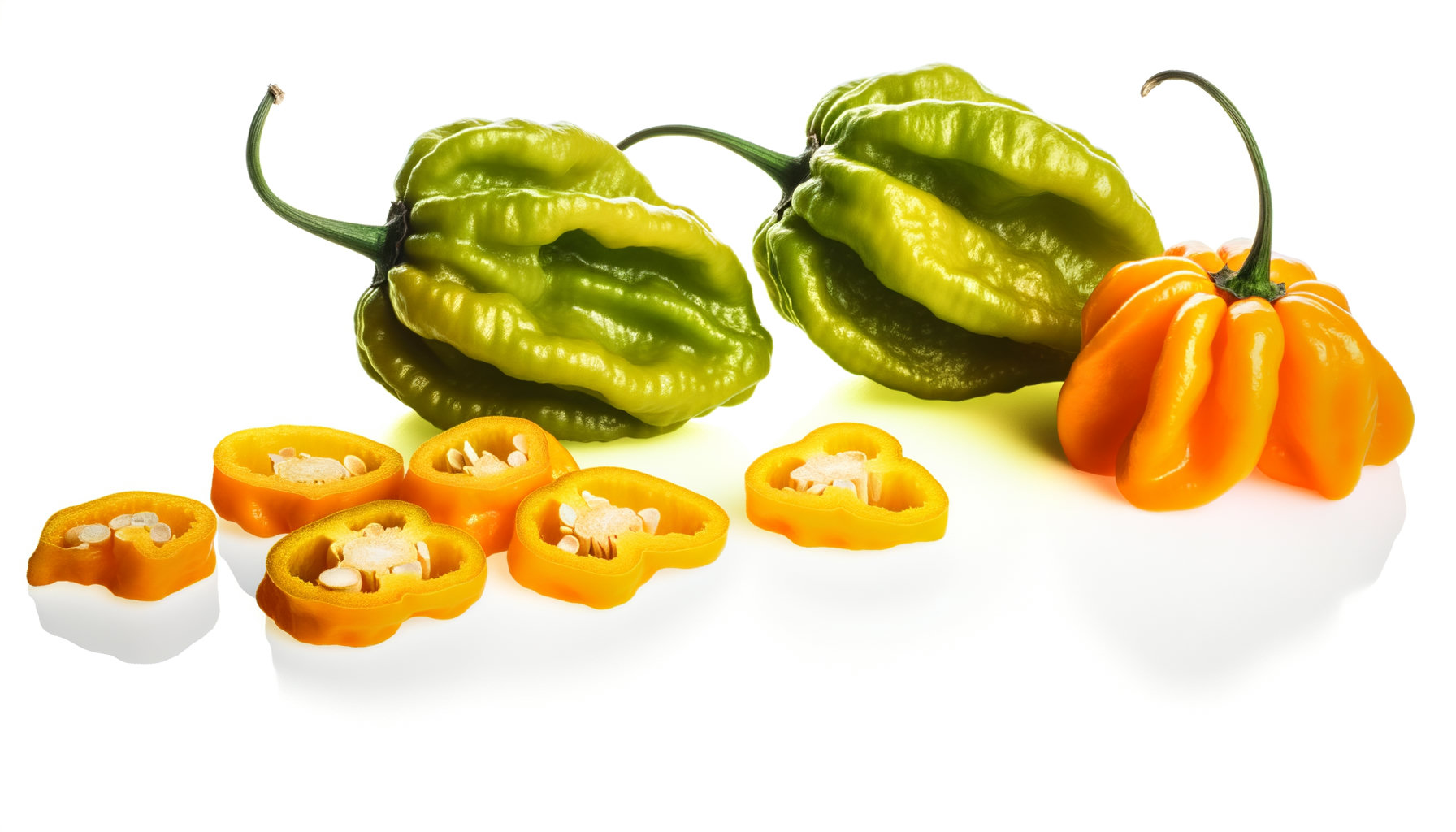
Habanero
Capsicum chinense
Sensory Profile
Tastes
Basic flavor profiles
Aromas
Scent characteristics
Stimuli
Sensory sensations
Textures
Physical properties
About Habanero
Habanero (Capsicum chinense), a fiery member of the Solanaceae family, is renowned for its intense heat and complex flavor profile. Its sensory characteristics include a bright, fruity aroma reminiscent of tropical fruits like mango and apricot, coupled with a sharp, pungent heat that can reach up to 350,000 Scoville Heat Units. The texture of fresh habaneros is crisp and firm, while dried varieties develop a slightly leathery quality that intensifies their flavor. In culinary applications, the habanero is a cornerstone of iconic dishes such as the Mexican salsa verde, where its heat complements the tanginess of tomatillos and the freshness of cilantro, creating a balance that enhances the overall flavor profile. It is also essential in Caribbean jerk seasoning, where the pepper's fruity notes harmonize with the aromatic spices and herbs, contributing both heat and depth to the marinated meats. The chemical compounds in habaneros, particularly capsaicin, interact with the palate to create a lingering warmth that enhances the perception of other flavors, making it a powerful ingredient in sauces and marinades. Originating from the Amazon basin, the habanero has deep cultural significance in Mexican and Central American cuisines, often featured in traditional dishes and celebrations. Its cultivation involves careful attention to soil quality and climate, as the peppers thrive in warm, well-drained environments, with many farmers employing organic practices to enhance flavor without chemical fertilizers. What sets the habanero apart is not only its exceptional heat but also its unique flavor compounds, such as capsaicin and various volatile esters, which contribute to its distinctive fruity notes. When fermented, habaneros develop a complex umami character, making them ideal for hot sauces and condiments that require depth and complexity. This duality of heat and flavor, combined with traditional production methods, solidifies the habanero's status as a vital ingredient in global culinary traditions.
Associated health effects(57)
- Capsaicin-Induced Appetite Suppression
- Capsaicin-Induced Sensory Burning
- Mucosal Irritation
- Beta-Carotene Source
- Insulin Sensitivity Enhancement
- Micronutrient Density
- Vitamin C Content Support
- Capsaicin-Induced Gastrointestinal Aggravation
- Capsaicin Overexposure Syndrome
- Cardiovascular Protection
- Adipogenesis Suppression
- Antioxidant
- Capsaicinoid-Mediated LDL Cholesterol Reduction
- Cardiovascular Health
- Dose-Dependent Effects
- Appetite Reduction
- Analgesic Activity
- Capsaicin Pain Receptor Desensitization
- Blood Pressure Reduction
- Capsiate-Mediated Glucose Regulation
- Nutritional Advantages
- Cancer-Preventive
- Polyphenol-Mediated Gastrointestinal Protection
- Capsaicin-Induced Pain Relief
- Oral and Gastrointestinal Irritation
- Antidiabetic Activity
- Blood Sugar Regulation
- Immune Booster
- Carotenoid Source
- Polyphenol-Mediated Antioxidant Activity
- Capsaicin-Induced Gastroesophageal Reflux Aggravation
- Capsaicin-Induced LDL Oxidation Reduction
- Digestive Irritation
- Anti-obesity Activity
- Gastrointestinal Irritation from Capsaicin
- Iron Content Support
- Capsaicin-Induced Thermogenesis
- No Evidence of Toxicity, Heavy Metals, or Contaminants
- Digestive Discomfort
- Respiratory Mucus Clearance
- Gastrointestinal Discomfort
- Cholesterol Management
- All-Cause Mortality Reduction
- Antioxidant Immunity Support
- Antiscorbutic Activity
- Gastroprotection
- Pain Receptor Desensitization
- Weight Management
- Acute Capsaicin-Induced Toxicity
- Antimicrobial Activity (Capsaicin-Specific)
- Capsaicin-Induced Endothelial Function Enhancement
- Brown Adipose Tissue Activation
- Capsaicin-Induced Gastrointestinal Irritation
- Digestive Aid
- Gastrointestinal Irritation
- Anticancer Potential
- Anti-inflammatory
Nutrition per 100 g(4)
- Energy: 40 kcal
- Protein: 2 g
- Fat: 0.4 g
- Fiber: 1.5 g