
Harissa Sensory Map
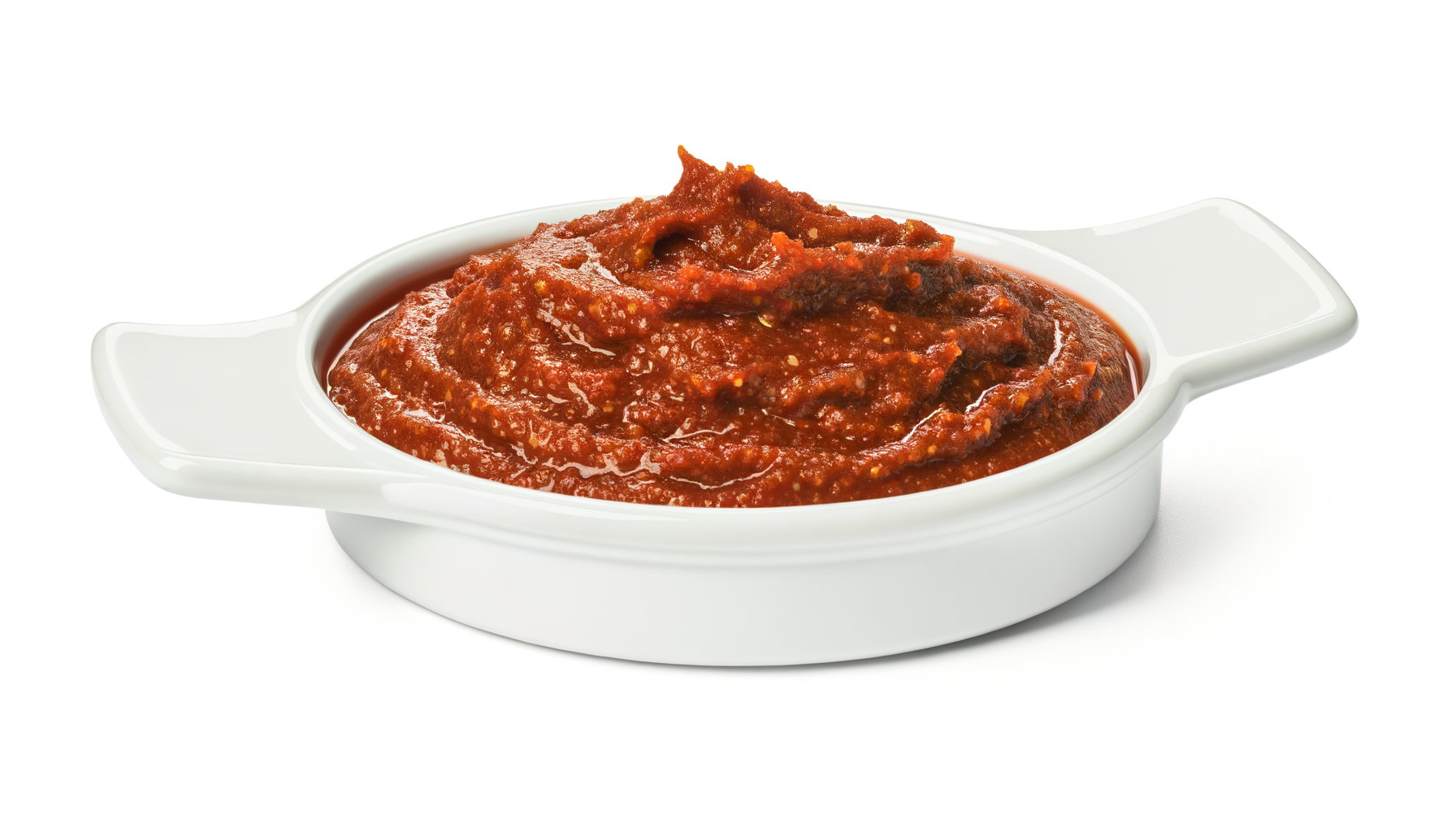
Harissa
Capsicum annuum
Sensory Profile
Tastes
Basic flavor profiles
Aromas
Scent characteristics
Stimuli
Sensory sensations
Textures
Physical properties
About Harissa
Harissa (Capsicum annuum) is a vibrant North African chili paste that captivates the palate with its complex sensory profile; it delivers a harmonious blend of heat and depth, characterized by smoky undertones from roasted peppers, a subtle sweetness from spices like coriander and caraway, and a fragrant aroma reminiscent of sun-dried tomatoes and warm spices. The texture is smooth yet slightly grainy, allowing it to cling beautifully to proteins and vegetables, enhancing dishes with both flavor and visual appeal. In culinary applications, harissa is integral to iconic dishes such as **Tunisian Brik**, where its spicy richness complements the crispiness of the pastry, creating a delightful contrast that elevates the overall experience. It also shines in **Chakhchoukha**, a traditional Algerian dish where the paste infuses the stewed meats and vegetables with a robust flavor profile, enhancing the Maillard reaction during cooking, which develops savory notes that are essential to the dish's character. Additionally, in **Moroccan tagines**, harissa acts as a flavor catalyst, its acidity balancing the sweetness of dried fruits and the richness of slow-cooked meats, while also contributing to the dish's aromatic complexity. Originating from Tunisia, harissa holds significant cultural importance, often prepared in homes and markets using traditional methods that involve grinding roasted chili peppers with garlic, olive oil, and various spices in a mortar and pestle, which not only preserves the vibrant color but also enhances the flavor through the release of essential oils. This artisanal approach to production allows for variations in heat and flavor, making each batch unique. What distinguishes harissa is its ability to act as both a flavor enhancer and a preservative due to its high acidity and oil content, which inhibit microbial growth. The chemical compounds in the chilies, such as capsaicin, contribute to its heat while also promoting the release of endorphins, creating a pleasurable eating experience. Furthermore, the aging of harissa can deepen its flavor, allowing the spices to meld and develop a more rounded profile, making it a staple in both contemporary and traditional kitchens alike.
Associated health effects(27)
- Capsaicin-Induced Appetite Suppression
- Satiety Enhancement
- Micronutrient Density
- Capsaicin-Induced Gastrointestinal Aggravation
- Antioxidant
- Cardiovascular Health
- Analgesic Activity
- Blood Pressure Reduction
- Nutritional Advantages
- Cancer-Preventive
- Sodium Content
- Immune Booster
- High Sodium Content
- Digestive Irritation
- Capsaicin-Induced Thermogenesis
- Monounsaturated Fatty Acid Support
- Cholesterol Management
- Metabolism Booster
- Weight Management
- Vitamin and Mineral Support
- Capsaicin-Induced Gastrointestinal Irritation
- Heart Health
- Low-Calorie Flavor Support
- Digestive Aid
- Vitamin A Source
- Gastrointestinal Irritation
- Anti-inflammatory
Nutrition per 100 g(4)
- Energy: 94 kcal
- Protein: 3 g
- Fat: 7 g
- Fiber: 2 g