
Hazelnut Sensory Map
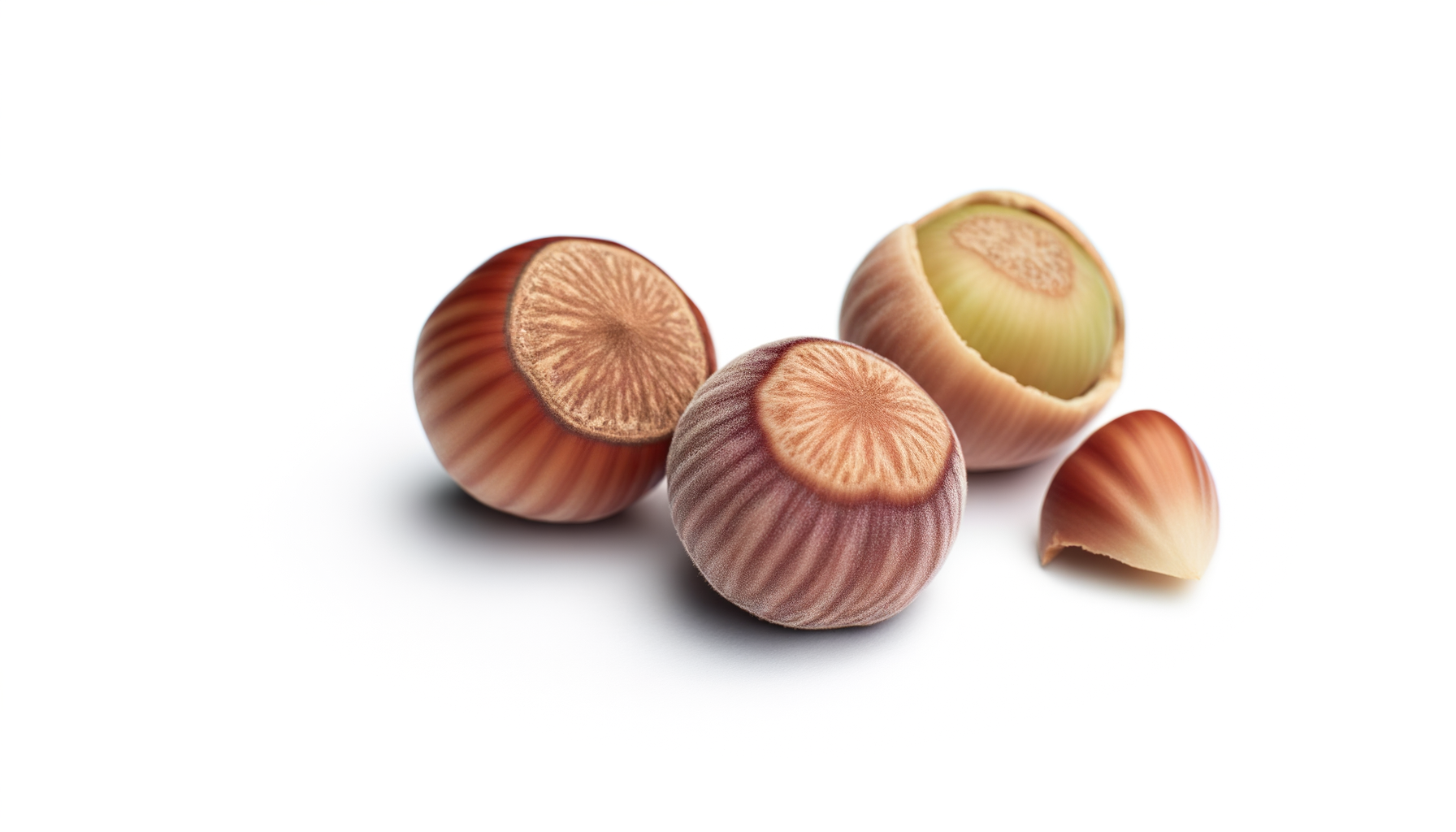
Hazelnut
Corylus avellana
Sensory Profile
Tastes
Basic flavor profiles
Aromas
Scent characteristics
Stimuli
Sensory sensations
Textures
Physical properties
About Hazelnut
Hazelnuts boast a rich, buttery flavor with a subtly sweet and earthy undertone. Their unique taste is often described as nutty and slightly creamy, with a hint of bitterness that adds complexity to dishes. Hazelnuts are versatile in both sweet and savory applications. They are commonly used in confections, such as pralines and chocolate spreads (notably Nutella), and are a popular ingredient in pastries, cakes, and cookies. In savory dishes, they can be toasted and added to salads, pasta, or as a crust for meats and fish. Hazelnut oil is also prized for its aromatic qualities and is used in dressings and marinades. Native to the temperate regions of Europe and Asia, the hazelnut tree thrives in well-drained soils and is often found in woodlands. The cultivation of hazelnuts dates back thousands of years, with significant production in countries like Turkey, Italy, and the United States, particularly in Oregon. Hazelnuts are characterized by their round shape and smooth, brown skin. When roasted, they develop a deeper flavor and a crunchy texture. They are also rich in nutrients, providing healthy fats, protein, and vitamins, making them a nutritious addition to various diets. Hazelnuts are often used in their whole form, ground into flour, or processed into oil, each form
Associated health effects(12)
- Micronutrient Support
- Caloric Density
- Antioxidant
- Allergic Reactions
- Blood Sugar Support
- Interaction with Medications
- Cholesterol Management
- Weight Management
- Gastrointestinal Distress
- Heart Health
- Digestive Aid
- Anti-inflammatory
Nutrition per 100 g(4)
- Energy: 628 kcal
- Protein: 14.1 g
- Fat: 60.75 g
- Fiber: 9.7 g