
Hemp Seeds Sensory Map
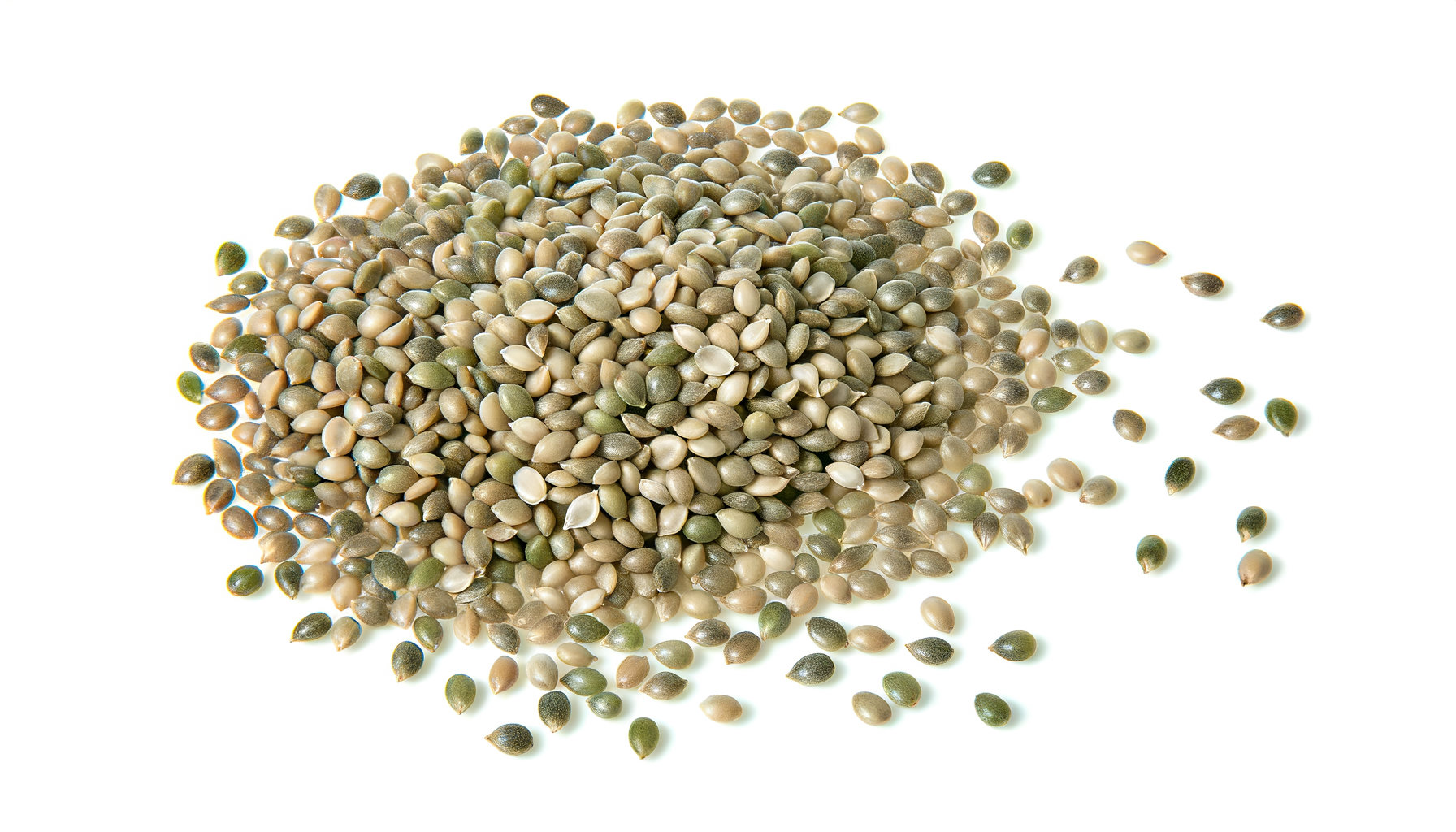
Hemp Seeds
Cannabis sativa
Sensory Profile
Tastes
Basic flavor profiles
Aromas
Scent characteristics
Stimuli
Sensory sensations
Textures
Physical properties
About Hemp Seeds
Hemp Seeds (Cannabis sativa) are small, oval-shaped seeds with a delicate, nutty flavor profile that carries subtle hints of earthiness and a mild sweetness. Their aroma is reminiscent of toasted sunflower seeds, with a slightly grassy undertone that evokes a sense of freshness. The texture is pleasantly crunchy, yet they yield a creamy mouthfeel when blended, making them an excellent addition to various culinary applications. In the realm of culinary applications, hemp seeds shine in dishes such as hemp seed pesto, where their rich oil content enhances the emulsion, providing a luxurious mouthfeel while contributing essential fatty acids. They also play a pivotal role in energy bars, where their protein and fiber content not only fortifies the nutritional profile but also aids in binding ingredients together, creating a satisfying chewiness. Additionally, hemp seeds can be incorporated into smoothies, where they blend seamlessly, adding a creamy texture and a boost of plant-based protein without overpowering the other flavors. Originating from Central Asia, hemp seeds have been cultivated for thousands of years, revered in various cultures for their nutritional benefits and culinary versatility. Traditional production methods often involve hand-harvesting to ensure the seeds are collected at their peak ripeness, which preserves their delicate flavor and nutritional integrity. In regions like China and India, hemp seeds are integral to local diets, often ground into flour or used in traditional sweets, showcasing their deep-rooted cultural significance. What sets hemp seeds apart is their impressive nutritional profile, boasting a complete amino acid profile, making them a rare plant-based source of protein. They are also rich in omega-3 and omega-6 fatty acids in an optimal ratio, which not only supports heart health but also enhances the flavor of dishes. Their unique ability to emulsify when blended allows them to act as a natural thickener in sauces and dressings, while their high fiber content aids in digestion, making them a valuable ingredient for health-conscious chefs and food enthusiasts alike.
Associated health effects(34)
- Safety and Toxicity
- Blood Pressure Support
- Satiety Enhancement
- Micronutrient Density
- Alpha-Linolenic Acid Support
- Antioxidant
- Allergic Reactions
- Vitamin E Source
- Blood Pressure Reduction
- Blood Cholesterol Reduction
- Colonic Barrier Protection
- Phytosterol-Mediated Endothelial Protection
- Protein Digestibility
- Antidiabetic Activity
- Blood Sugar Regulation
- PMS Symptom Relief
- Muscle Protein Support
- Dietary Fiber
- Skin Health
- Platelet Aggregation Modulation
- Prebiotic Fiber-Mediated Gut Microbiota Improvement
- Bone Health
- Cholesterol Management
- Brain Health
- Protein Content
- LDL Cholesterol Reduction
- Gastrointestinal Barrier Function Support
- GLA Omega-6 Fatty Acid Support
- Omega-6 Fatty Acid Support
- Magnesium
- Lipid Metabolism Support
- Digestive Health
- Anti-inflammatory
- Complete Protein Profile
Nutrition per 100 g(4)
- Energy: 567 kcal
- Protein: 31.56 g
- Fat: 49.93 g
- Fiber: 4 g