
Herring Sensory Map
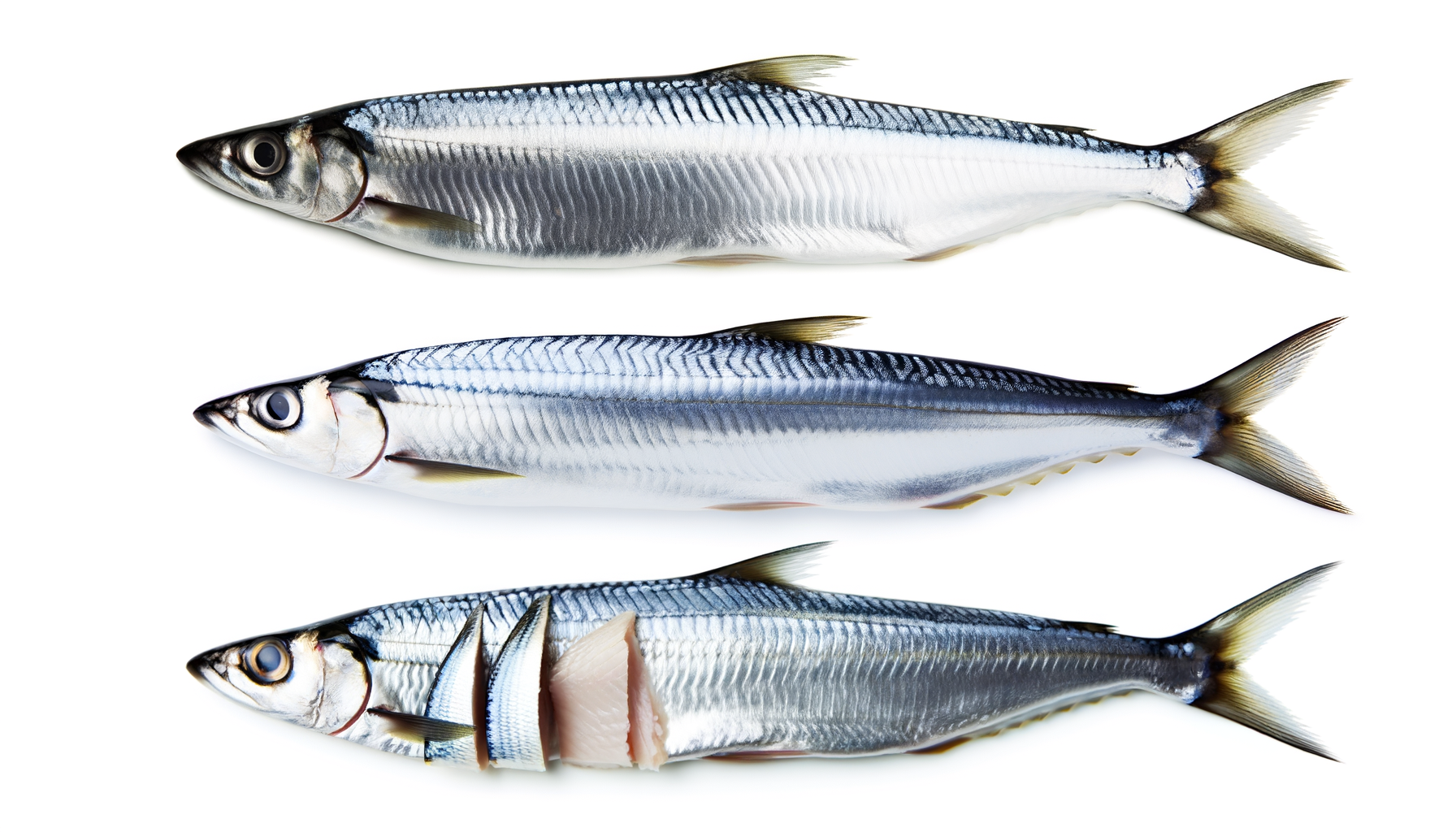
Herring
Clupea harengus
Sensory Profile
Tastes
Basic flavor profiles
Aromas
Scent characteristics
Stimuli
Sensory sensations
Textures
Physical properties
About Herring
Herring boasts a rich, robust flavor that is both oily and slightly briny, with a hint of sweetness. Its flesh is tender and flaky, making it a versatile ingredient in various culinary applications. When cured or smoked, herring develops a deeper, more complex taste that enhances its natural umami characteristics. Herring is a staple in many cuisines, particularly in Northern Europe. It is often enjoyed pickled, marinated, or smoked, and is commonly featured in dishes such as herring salad, matjes (young herring), and various seafood platters. In Scandinavian cuisine, it is frequently served with rye bread, potatoes, and onions. Herring can also be incorporated into spreads, dips, and as a topping for crackers. Its oiliness makes it an excellent choice for grilling or broiling, where it can be paired with citrus or herb-based marinades. Herring is native to the North Atlantic Ocean, particularly abundant in the North Sea and along the coasts of Europe and North America. Historically, it has been a significant fishery resource, contributing to the diets and economies of coastal communities for centuries. The fish is often caught in large schools, making it a sustainable choice when sourced from well-managed fisheries. Herring is characterized by its silver skin and streamlined body, which can grow up to 15
Associated health effects(67)
- Vitamin B12 Content Support
- Zinc
- Fetal Brain/Nervous System Development
- Micronutrient Support
- Micronutrient Density
- Heme Iron Source
- Selenium Status Improvement
- Anti-arthritic
- PCB and Dioxin Exposure
- Cardiovascular Protection
- Red Blood Cell Production
- Antioxidant
- Allergic Reactions
- Cardiovascular Health
- Vitamin B12 Nervous System Support
- Vitamin E Source
- Parasitic Infection Risk
- Analgesic Activity
- Vitamin D Toxicity
- Low Mercury Content
- Blood Pressure Reduction
- Folate Source
- Metabolic Syndrome Protection
- Cancer-Preventive
- HDL Cholesterol Elevation
- Blood Sugar Support
- Micronutrient-Dense Protein Support
- Endothelial Function Enhancement
- Vitamin D Provision
- Immune Modulation
- Pregnancy and Growth Support
- Atherosclerosis Prevention
- Cardioprotective Activity
- Foodborne Illness Risk
- Iron Content Support
- No Evidence of Toxicity, Heavy Metals, or Contaminants
- Mineral Content
- Bone Health
- Nutrient-Dense Protein Support
- Cholesterol Management
- All-Cause Mortality Reduction
- Anemia Prevention
- Brain Health
- Selenium Content Support
- Muscle Protein Synthesis Enhancement
- Vitamin D Source
- Mercury Exposure Reduction
- Protein Content
- Omega-3 Fatty Acid Support
- B Vitamin Nervous System Support
- Anti-aging Activity
- Nervous System and Energy Support
- Iodine Provision
- Muscle Mass Preservation
- Triglyceride Reduction
- Immune Function
- Cetoleic Acid Omega-3 Conversion Enhancement
- Neuroprotection
- Complete Protein Support
- Arrhythmia Prevention
- Sodium Overload
- Lipid Metabolism Support
- Anticancer Potential
- High-Quality Protein Provision
- Anti-inflammatory
- Complete Protein Profile
- Cognitive Support
Nutrition per 100 g(4)
- Energy: 239 kcal
- Protein: 25 g
- Fat: 18 g
- Fiber: 0 g