
Hibiscus Flower Sensory Map
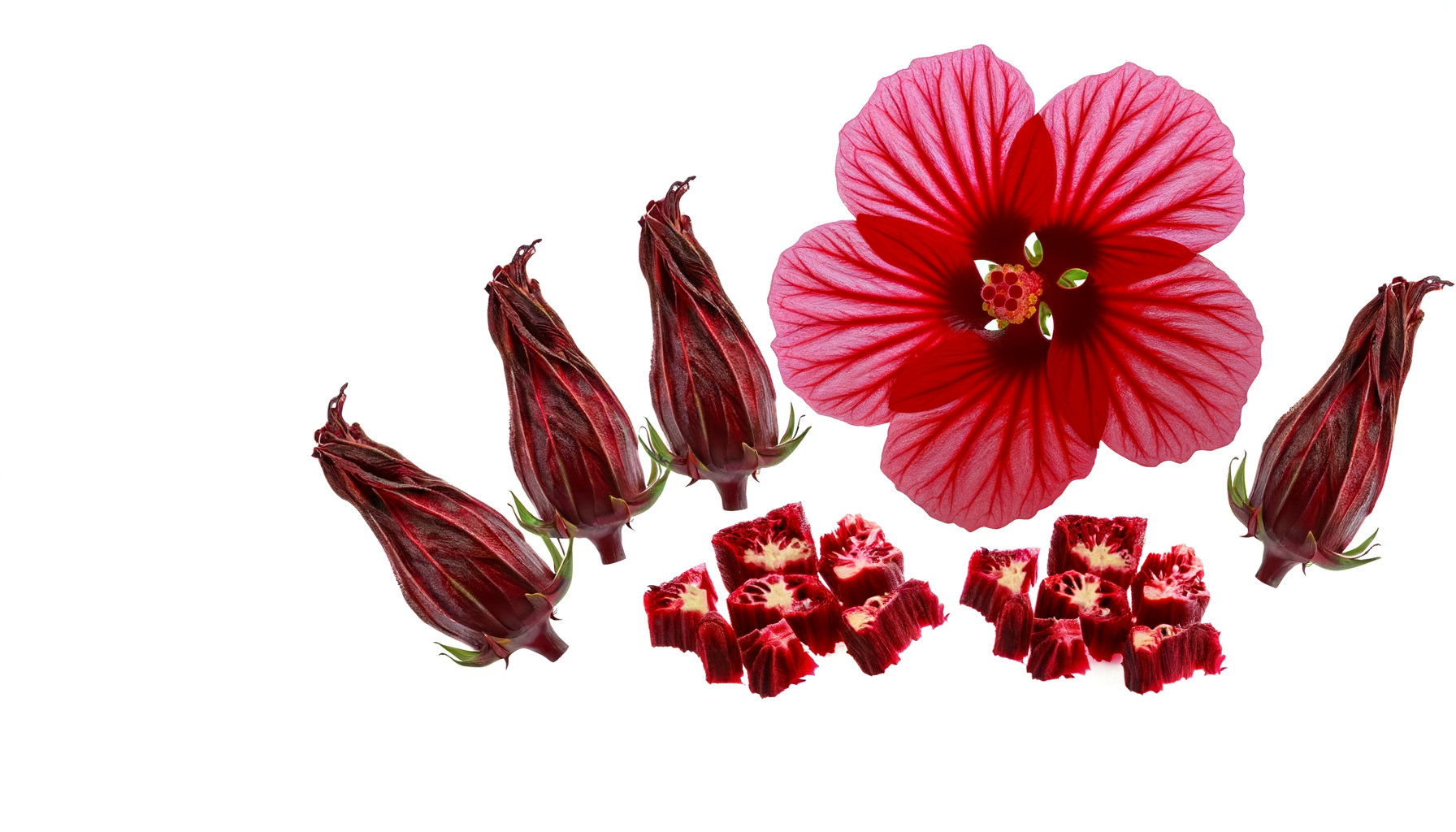
Hibiscus Flower
Hibiscus sabdariffa
Sensory Profile
Tastes
Basic flavor profiles
Aromas
Scent characteristics
Stimuli
Sensory sensations
Textures
Physical properties
About Hibiscus Flower
Hibiscus Flower (Hibiscus sabdariffa), a vibrant member of the Malvaceae family, presents a strikingly tart flavor profile reminiscent of cranberry and pomegranate, complemented by a subtly floral aroma that evokes a sense of summer. Its texture is delicate yet slightly chewy when rehydrated, making it an intriguing addition to various culinary applications. In traditional dishes such as *Agua de Jamaica*, this herb is steeped to create a refreshing beverage that balances sweetness with its natural acidity, while in *Gumbo Z'herbes*, it contributes a unique depth of flavor and a vivid hue, enhancing both the visual and gustatory appeal of the dish. Originating from tropical regions, particularly West Africa and parts of Asia, hibiscus holds cultural significance in many cuisines, often symbolizing hospitality and celebration; traditional production methods involve drying the calyces, which not only preserves the vibrant color but also intensifies the flavor. What sets hibiscus apart is its high concentration of anthocyanins, which not only impart a rich crimson color but also act as natural antioxidants, making it a healthful addition to culinary creations. When infused in hot water or combined with acidic ingredients, hibiscus flowers release their tartness and vibrant color, making them invaluable in both sweet and savory dishes, while their ability to maintain flavor integrity even after prolonged cooking distinguishes them in the realm of culinary herbs.
Associated health effects(8)
- ACE Inhibition
- Adipogenesis Suppression
- Antioxidant
- Antihypertensive
- Cholesterol Management
- Weight Management
- LDL Cholesterol Reduction
- Anti-inflammatory
Nutrition per 100 g(4)
- Energy: 50 kcal
- Protein: 1.6 g
- Fat: 0.6 g
- Fiber: 0.7 g