
Hijiki Sensory Map
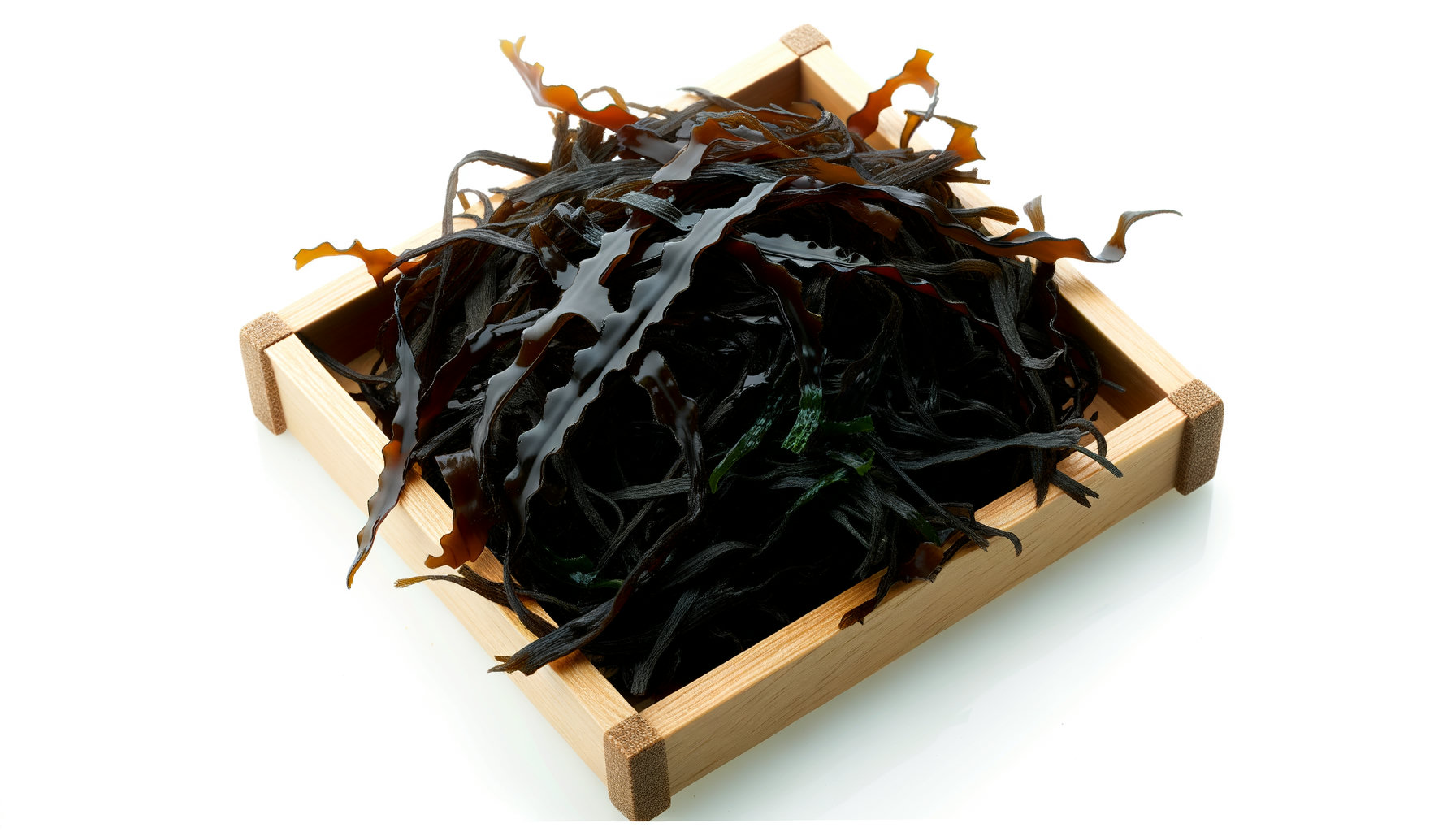
Hijiki
Sargassum fusiforme
Sensory Profile
Tastes
Basic flavor profiles
Aromas
Scent characteristics
Stimuli
Sensory sensations
Textures
Physical properties
About Hijiki
Hijiki (Sargassum fusiforme), a member of the Sargassaceae family, presents a complex sensory profile characterized by its deep umami flavor, reminiscent of ocean brine and earthy notes, with a subtly sweet finish. The aroma is distinctly marine, evoking the freshness of sea air, while its texture is both tender and slightly chewy, providing a satisfying mouthfeel that enhances various dishes. In Japanese cuisine, hijiki is traditionally used in iconic preparations such as hijiki no nimono, a simmered dish that showcases its ability to absorb flavors from dashi and soy sauce, creating a harmonious balance of salty and sweet. Additionally, it features prominently in salads and rice dishes, where its texture contrasts beautifully with softer ingredients, adding depth and interest. Hijiki is primarily harvested along the coasts of Japan, Korea, and China, where it holds cultural significance as a symbol of health and longevity, often consumed during celebrations and festivals. Traditional production methods involve sun-drying the seaweed, which concentrates its flavors and nutrients, while also enhancing its shelf life. What sets hijiki apart is its unique chemical composition, rich in dietary fiber, vitamins, and minerals, particularly calcium and iron, which contribute to its health benefits. The drying process also intensifies its umami properties, making it an excellent flavor enhancer in various culinary applications, while its ability to retain moisture during cooking allows it to impart a subtle brininess to dishes without overwhelming other flavors.
Associated health effects(28)
- Satiety Enhancement
- Micronutrient Density
- Constipation Relief
- Drug Interactions
- Antioxidant
- Dose-Dependent Effects
- Inorganic Arsenic Accumulation
- Blood Pressure Reduction
- Liver Toxicity
- Blood Sugar Support
- Heavy Metal Contamination Risk
- Hormonal Regulation
- Beauty and detoxification
- Mineral Content
- Dietary Fiber
- Skin Health
- Cholesterol Absorption Inhibition
- Bone Health
- Cholesterol Management
- Anemia Prevention
- Inorganic Arsenic Accumulation (Hijiki-Specific)
- Weight Management
- Iodine Excess Risk
- Iodine Provision
- Osteoporosis Prevention
- Magnesium
- Digestive Health
- Anti-inflammatory
Nutrition per 100 g(4)
- Energy: 106 kcal
- Protein: 5.2 g
- Fat: 0.6 g
- Fiber: 6 g