
Himalayan Pink Salt Sensory Map
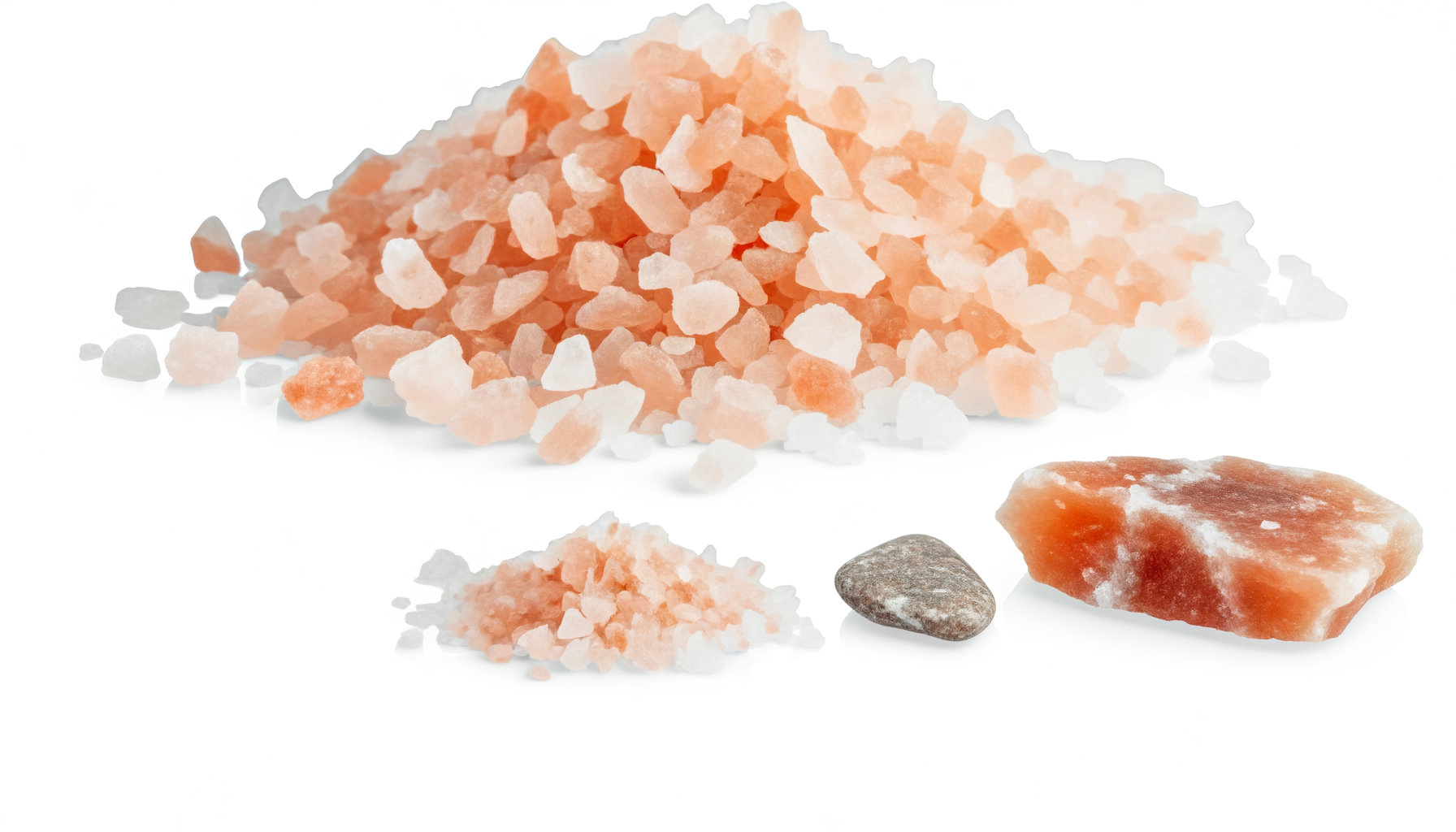
Himalayan Pink Salt
Sal roseus himalayanus
Sensory Profile
Tastes
Basic flavor profiles
Aromas
Scent characteristics
Stimuli
Sensory sensations
Textures
Physical properties
About Himalayan Pink Salt
Himalayan Pink Salt (Sal roseus himalayanus) is a mineral-rich seasoning that captivates the palate with its subtle yet complex flavor profile, characterized by a delicate sweetness and a hint of earthiness. Its aroma is reminiscent of a fresh mountain breeze, with mineral notes that evoke the rugged terrain from which it is harvested. The texture is coarse and crystalline, providing a satisfying crunch that enhances the mouthfeel of dishes, making it an ideal finishing salt. In culinary applications, Himalayan Pink Salt shines in iconic dishes such as grilled meats, where its unique mineral composition enhances umami flavors through the Maillard reaction, promoting a beautifully caramelized crust. It is also a favored ingredient in traditional salt crusts for fish, where it not only seasons but also helps retain moisture during cooking, resulting in a tender, flaky texture. Additionally, its use in salt blocks for cooking or serving imparts a gentle salinity while allowing for even heat distribution, making it perfect for dishes like seared scallops or roasted vegetables. Sourced from the ancient salt deposits of the Khewra Salt Mine in Pakistan, Himalayan Pink Salt is steeped in cultural significance, often used in traditional South Asian cuisine and wellness practices. The salt is hand-mined using methods that preserve its natural integrity, ensuring that it retains the trace minerals that contribute to its characteristic pink hue and health benefits. What sets Himalayan Pink Salt apart is its unique mineral content, which includes over 80 trace elements such as potassium, magnesium, and calcium, each contributing to its distinct flavor and health properties. Unlike regular table salt, which is heavily processed and stripped of minerals, Himalayan Pink Salt retains its natural state, offering a more complex flavor profile that enhances dishes without overpowering them. Its ability to draw moisture while seasoning makes it a crucial ingredient in both cooking and finishing applications, allowing chefs to elevate their culinary creations with a touch of authenticity and depth.
Associated health effects(23)
- Calcium Loss
- Iodine Deficiency Risk
- Kidney Stress
- Hypertension
- Topical Mineral Skin Hydration Support
- Dose-Dependent Effects
- Cardiovascular Risk
- Sodium Deficiency Prevention
- Sodium Content
- No Unique Nutritional Advantage
- Heavy Metal Contamination Risk
- Cardiovascular Stress
- High Sodium Content
- Mineral Content
- Electrolyte Balance Support
- Skin Health
- Dehydration
- Larger Crystal Size Sodium Reduction
- Blood Pressure Elevation
- Salt Sensitivity
- Stomach Cancer Risk
- Sodium Overload
- Digestive Aid
Nutrition per 100 g(4)
- Energy: 0 kcal
- Protein: 0 g
- Fat: 0 g
- Fiber: 0 g