
Hoisin Sauce Sensory Map
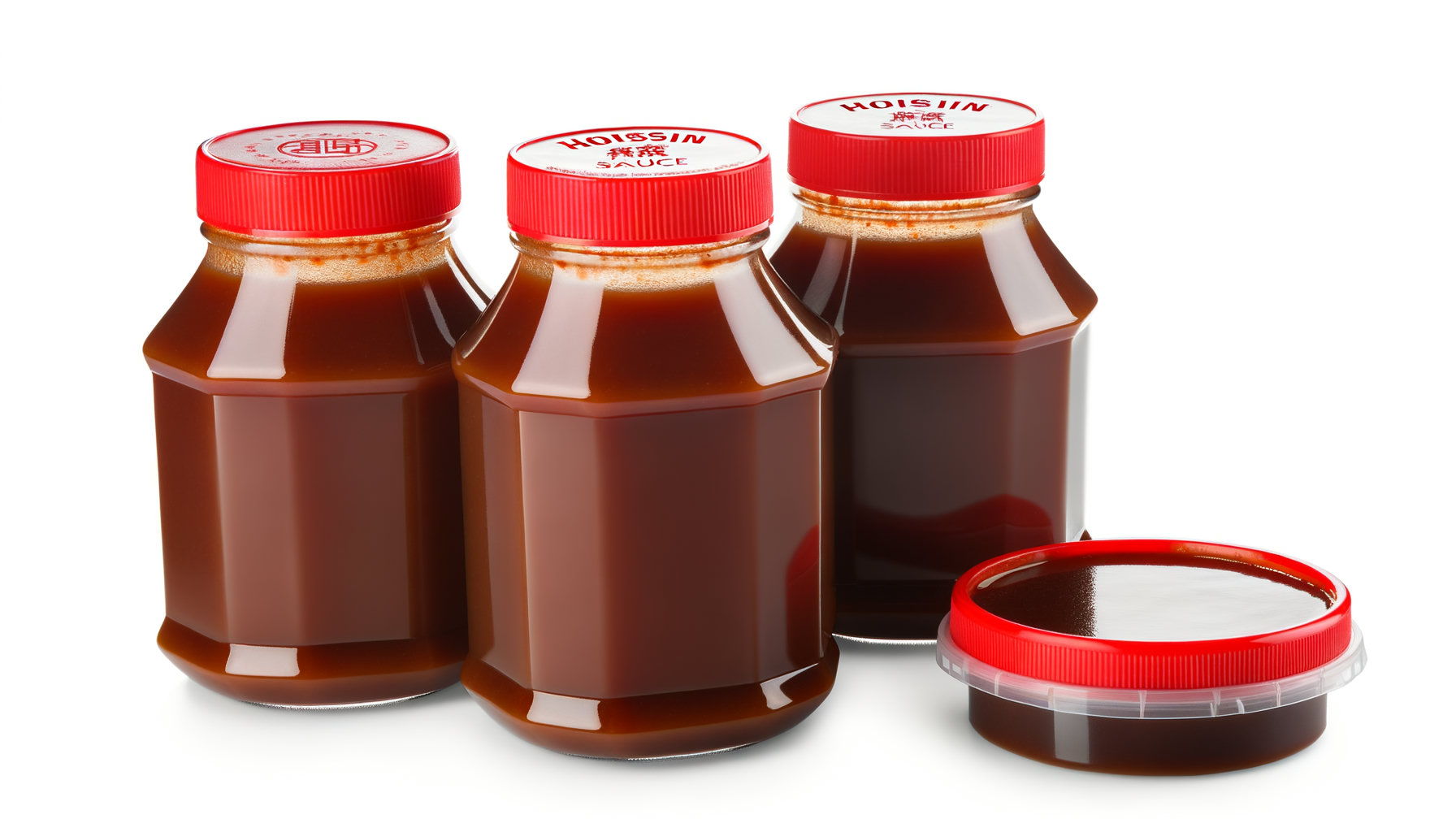
Hoisin Sauce
Salsa hoisin
Sensory Profile
Tastes
Basic flavor profiles
Aromas
Scent characteristics
Stimuli
Sensory sensations
Textures
Physical properties
About Hoisin Sauce
Hoisin Sauce (Salsa hoisin) is a richly complex condiment that embodies the essence of Chinese cuisine, characterized by its deep mahogany color and glossy texture. On the palate, it offers a harmonious balance of sweet and savory notes, with prominent hints of fermented soybeans, garlic, and a subtle spiciness from five-spice powder, while its aroma is a fragrant blend of sweet molasses and umami-rich soy, evoking the warmth of traditional Asian kitchens. This sauce is integral to iconic dishes such as Peking Duck, where it serves as a luscious glaze that enhances the crispy skin and complements the tender meat with its sticky sweetness, and in Vietnamese pho, where it adds depth to the broth, enriching the overall flavor profile through its complex sugars and umami compounds. Originating from the southern provinces of China, hoisin sauce has deep cultural significance, often used in celebratory dishes and as a dipping sauce for various appetizers. Traditional production methods involve fermenting soybeans and wheat flour, which not only develops its characteristic flavor but also contributes to its thick consistency, allowing it to cling beautifully to meats and vegetables. The unique fermentation process enhances its umami qualities, making it a powerful flavor enhancer that interacts with proteins during cooking, resulting in a more savory and satisfying dish. What sets hoisin sauce apart is its ability to act as both a marinade and a finishing sauce, providing chefs with a multifaceted ingredient that elevates dishes through its rich flavor and luxurious mouthfeel.
Associated health effects(39)
- Calcium Loss
- Blood Sugar Spikes
- Drug Interactions
- Food Additive-Induced Gut Disruption
- Calcium Content Support
- Antioxidant
- Allergic Reactions
- Dose-Dependent Effects
- Refined Starch Glycemic Spiking
- Cardiovascular Risk
- Sodium Content
- Prebiotic Support (Fermented Soy)
- Sugar Content
- High Sodium Content
- Digestive Irritation
- Flavor and Culinary Use
- Iron Content Support
- At-Risk Populations
- Mineral Content
- Dietary Fiber
- Isoflavone-Mediated Cancer Risk Reduction
- Obesity and Weight Gain
- Blood Pressure Elevation
- Sugar-Induced Glycemic Load
- Digestive Distress
- Dental Caries Risk
- Manganese
- Protein Content
- Type 2 diabetes and obesity
- Potassium
- Fiber Content
- Glycemic Impact
- Rapid Glycemic Response
- Weight Gain
- Sodium Overload
- Type 2 Diabetes Risk
- Digestive Aid
- Processed Sauce Additive Exposure
- Anti-inflammatory
Nutrition per 100 g(4)
- Energy: 100 kcal
- Protein: 2 g
- Fat: 1 g
- Fiber: 0.5 g