
Hoja Santa Sensory Map
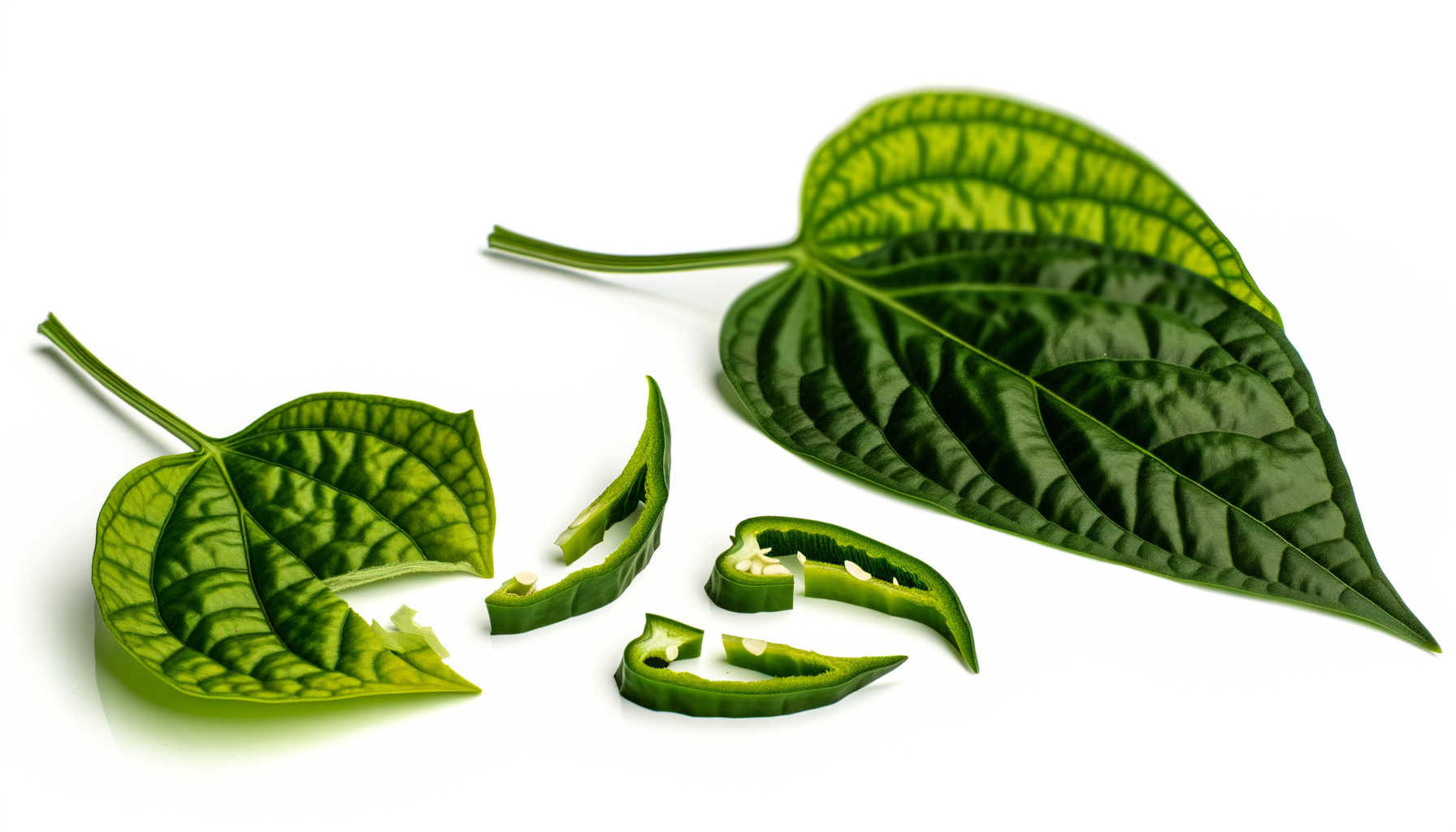
Hoja Santa
Piper auritum
Sensory Profile
Tastes
Basic flavor profiles
Aromas
Scent characteristics
Stimuli
Sensory sensations
Textures
Physical properties
About Hoja Santa
Hoja Santa, also known as 'sacred leaf', Makulan pepper or Mexican Leaf pepper offers a unique and aromatic flavor that is often described as a blend of anise, mint, and eucalyptus. Its complex taste is both herbal and slightly sweet, with a refreshing quality that can enhance a variety of dishes. This versatile spice is a staple in Mexican and Central American cuisine. Hoja Santa leaves are commonly used to wrap foods, imparting their distinctive flavor during cooking. They are often featured in traditional dishes such as tamales, moles, and soups. The leaves can also be used fresh in salads or as a garnish, and they can be infused into sauces or beverages for a fragrant twist. Native to the tropical regions of Mexico and Central America, Hoja Santa has been utilized for centuries in indigenous culinary practices. It thrives in warm, humid climates and is often found in the wild, where it grows as a perennial herb. The large, heart-shaped leaves of Hoja Santa are not only aromatic but also visually striking, with a glossy, dark green appearance. The plant belongs to the Piperaceae family, which includes other well-known spices like black pepper. In addition to its culinary uses, Hoja Santa is also valued for its medicinal properties, traditionally used to treat various ailments. Its unique flavor and cultural significance make it a cherished ingredient in many regional cuisines.
Associated health effects(32)
- Safrole Exposure Risk
- Expectorant
- Anti-ulcer Activity
- Sterubin Neuroprotection
- Drug Interactions
- Antioxidant
- Allergic Reactions
- Dose-Dependent Effects
- Analgesic Activity
- Blood Pressure Reduction
- Topical Anti-inflammatory Activity
- Antifungal
- Safrole-Induced Carcinogenicity
- Galactagogue Activity
- Low Caloric Density
- General overconsumption risks
- Menstrual Regulation
- Antidiabetic Activity
- Antispasmodic Activity
- Amino Acid Support
- Flavor and Culinary Use
- At-Risk Populations
- Dietary Fiber
- Respiratory Mucus Clearance
- Weight Management
- Antibacterial
- Lipid Metabolism Support
- Digestive Aid
- Respiratory Support
- Hormonal Reproductive Caution
- Anti-inflammatory
- Carminative
Nutrition per 100 g(4)
- Energy: 35 kcal
- Protein: 2 g
- Fat: 0.5 g
- Fiber: 3 g