
Holy Basil Sensory Map
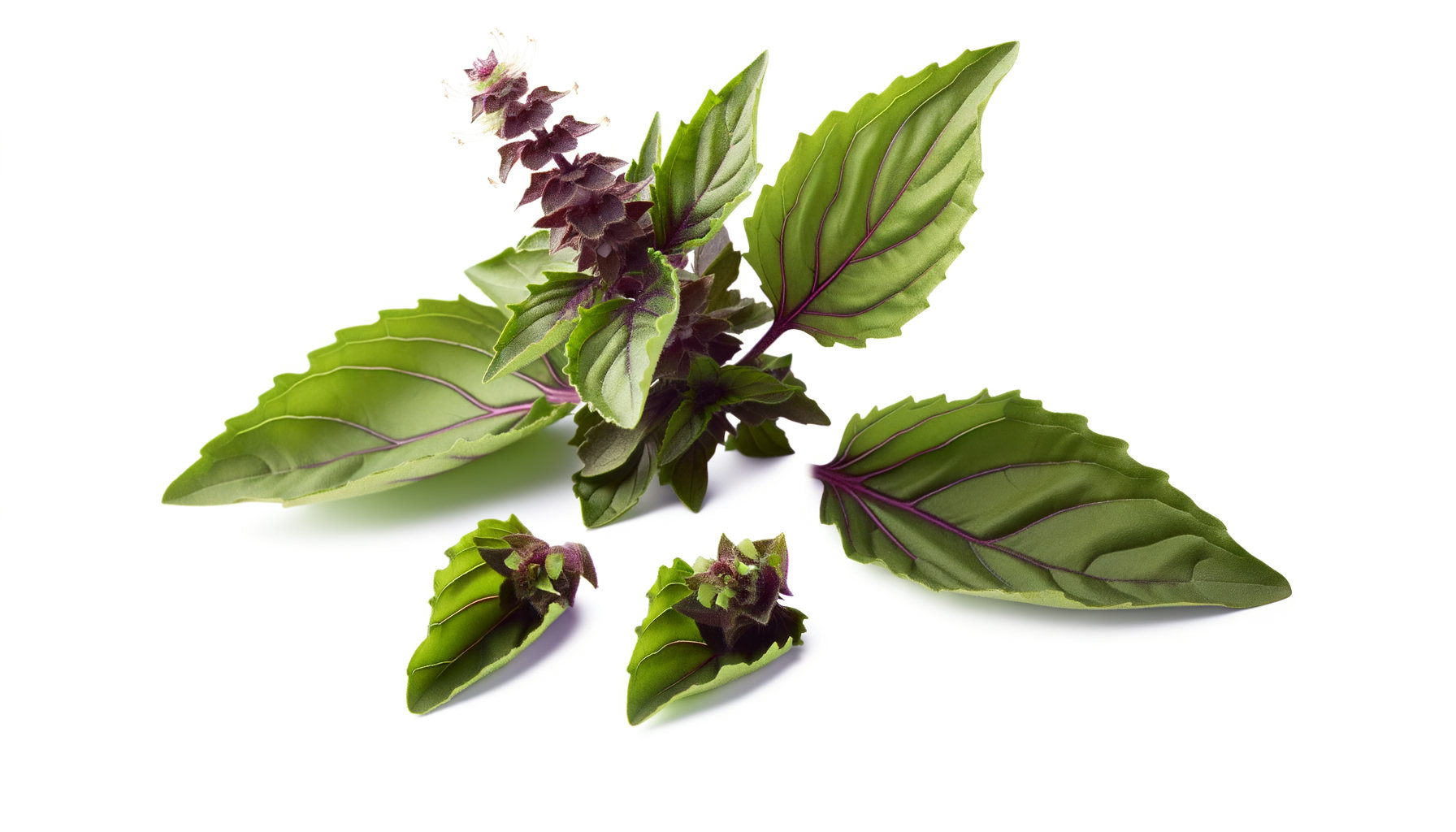
Holy Basil
Ocimum tenuiflorum
Sensory Profile
Tastes
Basic flavor profiles
Aromas
Scent characteristics
Stimuli
Sensory sensations
Textures
Physical properties
About Holy Basil
Holy Basil (Ocimum tenuiflorum), also known as Tulsi, presents a complex sensory profile characterized by its sweet, peppery flavor with hints of clove and mint, complemented by a warm, slightly spicy aroma reminiscent of anise and camphor. The leaves possess a tender yet slightly crinkled texture, which releases essential oils when bruised, enhancing its aromatic qualities. In culinary applications, Holy Basil is integral to iconic dishes such as Thai Green Curry, where its vibrant flavor balances the richness of coconut milk and the heat of chilies, and in the traditional Indian preparation of Masala Chai, where it infuses a refreshing herbal note that complements the robust spices and tea. Originating from the Indian subcontinent, Holy Basil holds significant cultural importance, revered in Hindu traditions for its medicinal properties and spiritual symbolism. It is typically cultivated in home gardens and small farms, often grown organically to preserve its delicate flavor profile. What sets Holy Basil apart is its unique chemical composition, particularly the presence of eugenol, which not only contributes to its distinctive taste but also enhances its antioxidant properties. This herb's ability to retain its flavor even when dried makes it a valuable ingredient in spice blends and herbal teas, where it can impart a depth of flavor that evolves over time, allowing chefs and food enthusiasts to explore its multifaceted culinary potential.
Associated health effects(62)
- Safety and Toxicity
- Anxiety Relief
- Insulin Sensitivity Enhancement
- Micronutrient Density
- Gastrointestinal Protection
- Anti-arthritic
- Hypoglycemic Activity
- Drug Interactions
- Potential Additive Hypoglycemia
- Cardiovascular Protection
- Antioxidant
- Immunomodulatory Activity
- Cardiovascular Health
- Sleep Quality Enhancement
- Analgesic Activity
- Blood Pressure Reduction
- Nephroprotection
- Nutritional Advantages
- Wound Healing
- Liver Toxicity
- Cancer-Preventive
- Antifungal
- Pain Relief
- Gastrointestinal Ulcer Protection
- Radioprotective Activity
- Physical Stress Resilience Support
- Gastrointestinal Mucosal Protection
- Antidiabetic Activity
- Blood Sugar Regulation
- Immune Booster
- Immune Modulation
- Cardioprotective Activity
- Hypoglycemia Risk
- Mood and Sleep Quality Enhancement
- Hepatoprotection
- Adaptogenic Activity
- Platelet Aggregation Modulation
- Carbazole Alkaloid Antioxidant Activity
- Hypotensive
- Cholesterol Management
- Gastrointestinal Relief
- Stress Relief
- Antidiarrheal Activity
- Digestive Protection
- Gastroprotection
- Hypolipidemic Activity
- Anti-fatigue and Improved Physical Performance
- LDL Cholesterol Reduction
- Antibacterial
- Anxiolytic Activity
- Gastric Ulcer Protection
- Triglyceride Reduction
- Immunomodulation via Cytokine Regulation
- Neuroprotection
- Bronchodilation
- Antiviral
- Hypoglycemia
- Lipid Metabolism Support
- Digestive Aid
- Anticancer Potential
- Anti-inflammatory
- Sedative Activity
Nutrition per 100 g(4)
- Energy: 27 kcal
- Protein: 3.2 g
- Fat: 0.6 g
- Fiber: 1.5 g