
Honey Sensory Map
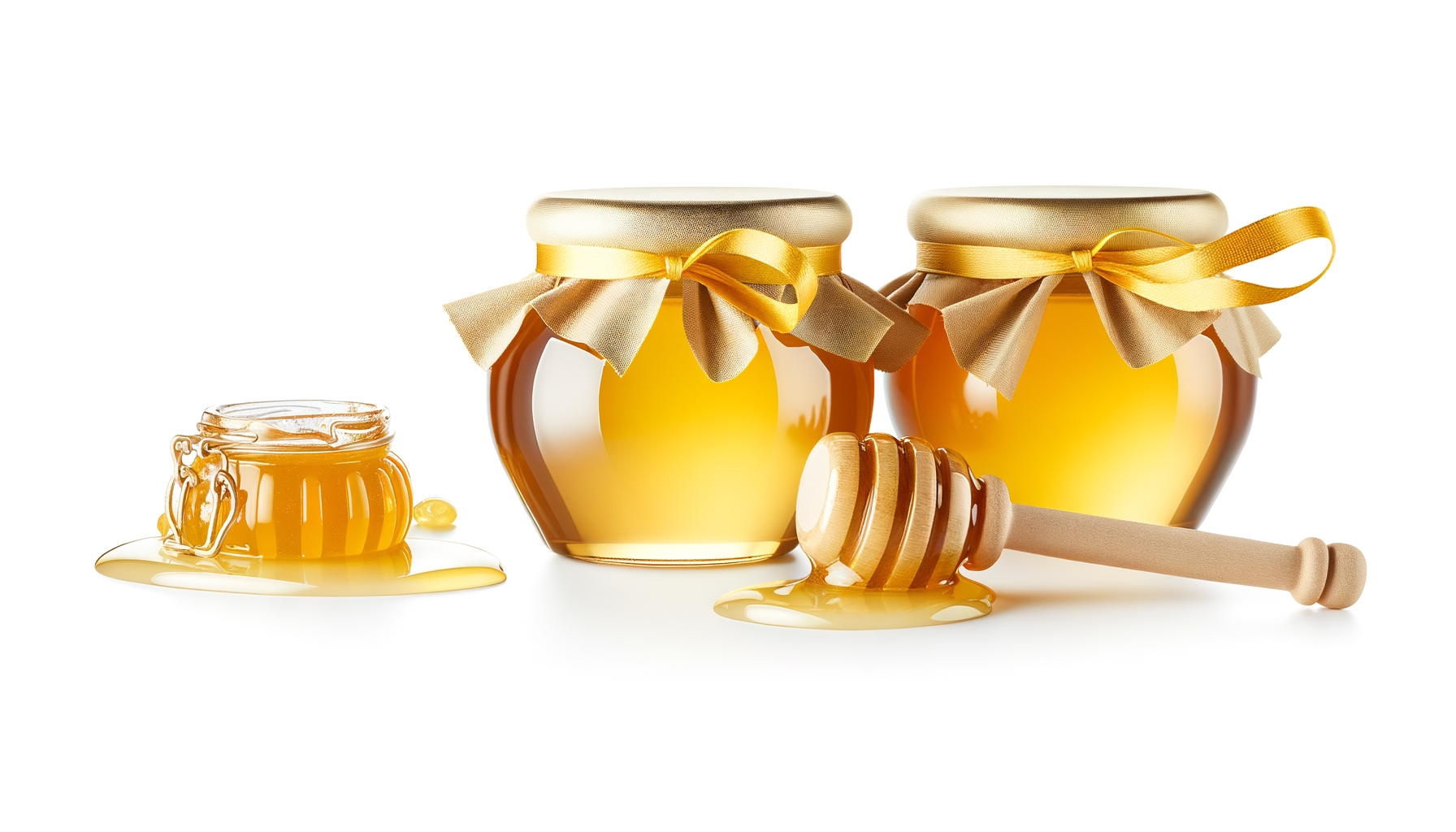
Honey
Mel apis
Sensory Profile
Tastes
Basic flavor profiles
Aromas
Scent characteristics
Stimuli
Sensory sensations
Textures
Physical properties
About Honey
Honey is a natural sweetener with a complex flavor profile that varies widely depending on the nectar source. It can range from light and floral to rich and robust, often exhibiting notes of caramel, fruit, or even herbal undertones. The sweetness is balanced by a subtle acidity, providing depth and a lingering finish. Honey is incredibly versatile in the kitchen. It serves as a natural sweetener in beverages, desserts, and marinades, enhancing flavors in both sweet and savory dishes. It can be drizzled over yogurt, used in salad dressings, or incorporated into baking recipes. Honey also acts as a preservative in pickling and can be used to glaze meats and vegetables, adding a caramelized finish when roasted or grilled. Honey is produced by honeybees (Apis mellifera) and has been harvested by humans for thousands of years, with evidence of its use dating back to ancient civilizations in Egypt, Greece, and China. The flavor and color of honey are influenced by the floral sources available to the bees, leading to a diverse range of honey types, such as clover, wildflower, and manuka. Honey is not only prized for its flavor but also for its health benefits, including antimicrobial properties and antioxidants. Its viscosity can vary from runny to thick, and it crystallizes over time, a natural process that does not affect its quality.
Associated health effects(17)
- Blood Sugar Spikes
- Micronutrient Support
- Caloric Density
- Antioxidant
- Allergic Reactions
- Botulism Risk
- Wound Healing
- Cancer-Preventive
- Pain Relief
- Blood Sugar Support
- Immune Booster
- Cholesterol Management
- Antibacterial
- Tooth Decay
- Digestive Aid
- Respiratory Support
- Anti-inflammatory
Nutrition per 100 g(4)
- Energy: 304 kcal
- Protein: 0.3 g
- Fat: 0.1 g
- Fiber: 0.2 g