
Honeydew Sensory Map
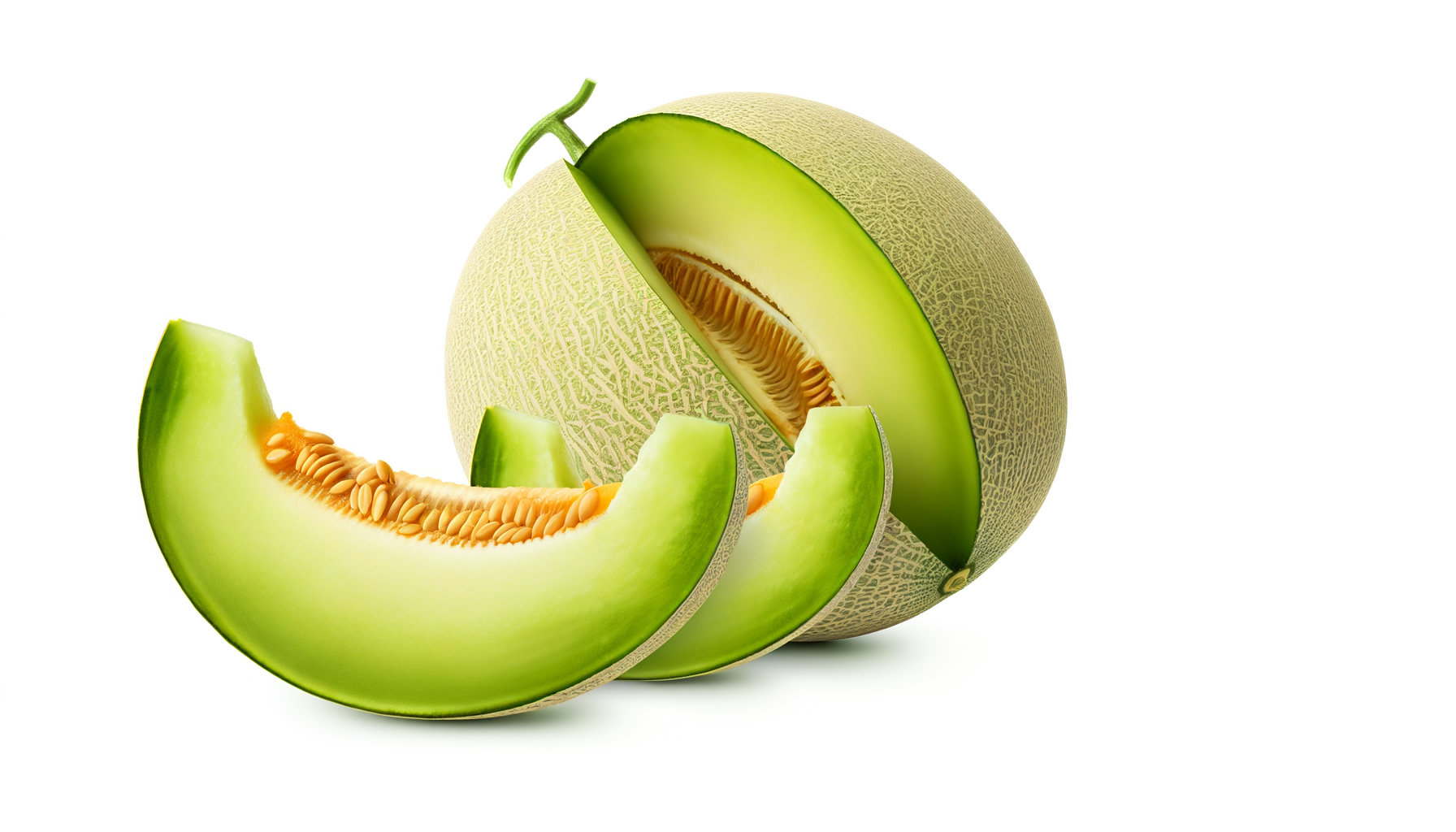
Honeydew
Cucumis melo
Sensory Profile
Tastes
Basic flavor profiles
Aromas
Scent characteristics
Stimuli
Sensory sensations
Textures
Physical properties
About Honeydew
Honeydew (Cucumis melo) is a luscious, pale green melon that captivates the palate with its subtly sweet flavor profile, reminiscent of floral nectar and fresh cucumber, complemented by a delicate aroma that evokes hints of honey and mint. Its smooth, firm texture offers a satisfying crunch, making it an ideal addition to refreshing summer salads, such as the classic fruit salad with mint and lime, where its juiciness balances the acidity of citrus and the sweetness of other fruits. Additionally, honeydew shines in Asian-inspired dishes like the Thai fruit salad, where its mild flavor harmonizes with spicy chilies and tangy fish sauce, creating a delightful contrast that enhances the overall dish. Originating from the warm climates of the Middle East, honeydew has become a staple in various regional cuisines, particularly in Mediterranean and Southeast Asian culinary traditions. Traditional production methods often involve hand-pollination and careful harvesting to ensure optimal ripeness, as the fruit does not continue to sweeten once picked. What sets honeydew apart is its unique chemical composition; it contains a high water content (approximately 90%), which not only contributes to its refreshing quality but also makes it an excellent ingredient for hydrating dishes and beverages. Furthermore, its low acidity allows it to pair seamlessly with both sweet and savory elements, making it a versatile choice for chefs looking to elevate their culinary creations.
Associated health effects(15)
- Blood Pressure Support
- Beta-Carotene Source
- Micronutrient Density
- Antioxidant
- Blood Pressure Reduction
- Folate Source
- Vitamin K Source
- Blood Sugar Regulation
- Immune Booster
- Dietary Fiber
- Bone Health
- Antiscorbutic Activity
- Hydration Support
- Magnesium
- Digestive Health
Nutrition per 100 g(4)
- Energy: 36 kcal
- Protein: 0.5 g
- Fat: 0.2 g
- Fiber: 0.8 g