
Hops Sensory Map
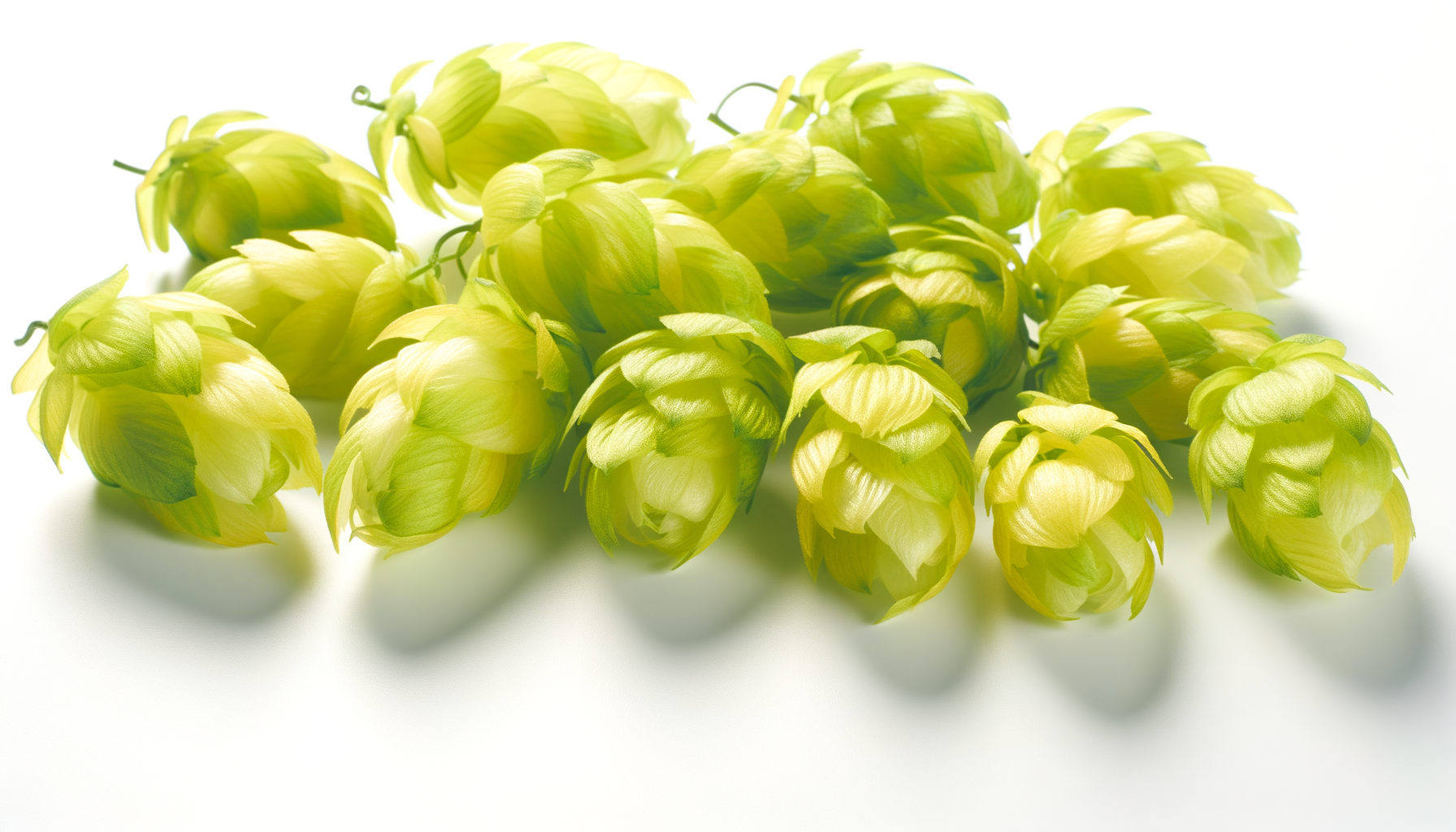
Hops
Humulus lupulus
Sensory Profile
Tastes
Basic flavor profiles
Aromas
Scent characteristics
Stimuli
Sensory sensations
Textures
Physical properties
About Hops
Hops are renowned for their complex flavor and aromatic qualities, ranging from floral and citrusy to earthy and piney. The bitterness they impart balances the sweetness of malt in brewing, while their aromatic oils contribute notes of grapefruit, pine, and spice, enhancing the overall sensory experience of beverages. Primarily used in the brewing of beer, hops serve as a crucial ingredient in various styles, from IPAs to stouts, providing both bitterness and aroma. In addition to brewing, hops can be utilized in culinary applications such as flavoring vinegars, infusing oils, or even as a seasoning for savory dishes, particularly in rich meats and cheeses. They are also gaining popularity in craft cocktails and culinary desserts, where their unique flavor can add depth. Hops are native to Europe, Asia, and North America, with a long history of cultivation dating back to the 9th century in Europe. They thrive in temperate climates and are typically grown in well-drained soils, with the most significant production occurring in regions like Germany, the Pacific Northwest of the United States, and the Czech Republic. Hops are climbing plants, known for their vigorous growth and distinctive cone-shaped flowers, or seed cones, which contain the essential oils and acids responsible for their flavor and aroma. The bitterness of hops is primarily derived from alpha acids, which are released during the brewing
Associated health effects(14)
- Blood Pressure Support
- Antioxidant
- Allergic Reactions
- Headache Trigger
- Sleep Support
- Menopausal Symptom Relief
- Digestive Irritation
- Mood Enhancement
- Interaction with Medications
- Phytoestrogenic Activity
- Stress Relief
- Weight Management
- Digestive Aid
- Anti-inflammatory
Nutrition per 100 g(4)
- Energy: 335 kcal
- Protein: 20 g
- Fat: 5 g
- Fiber: 26 g