
Horseradish Sensory Map
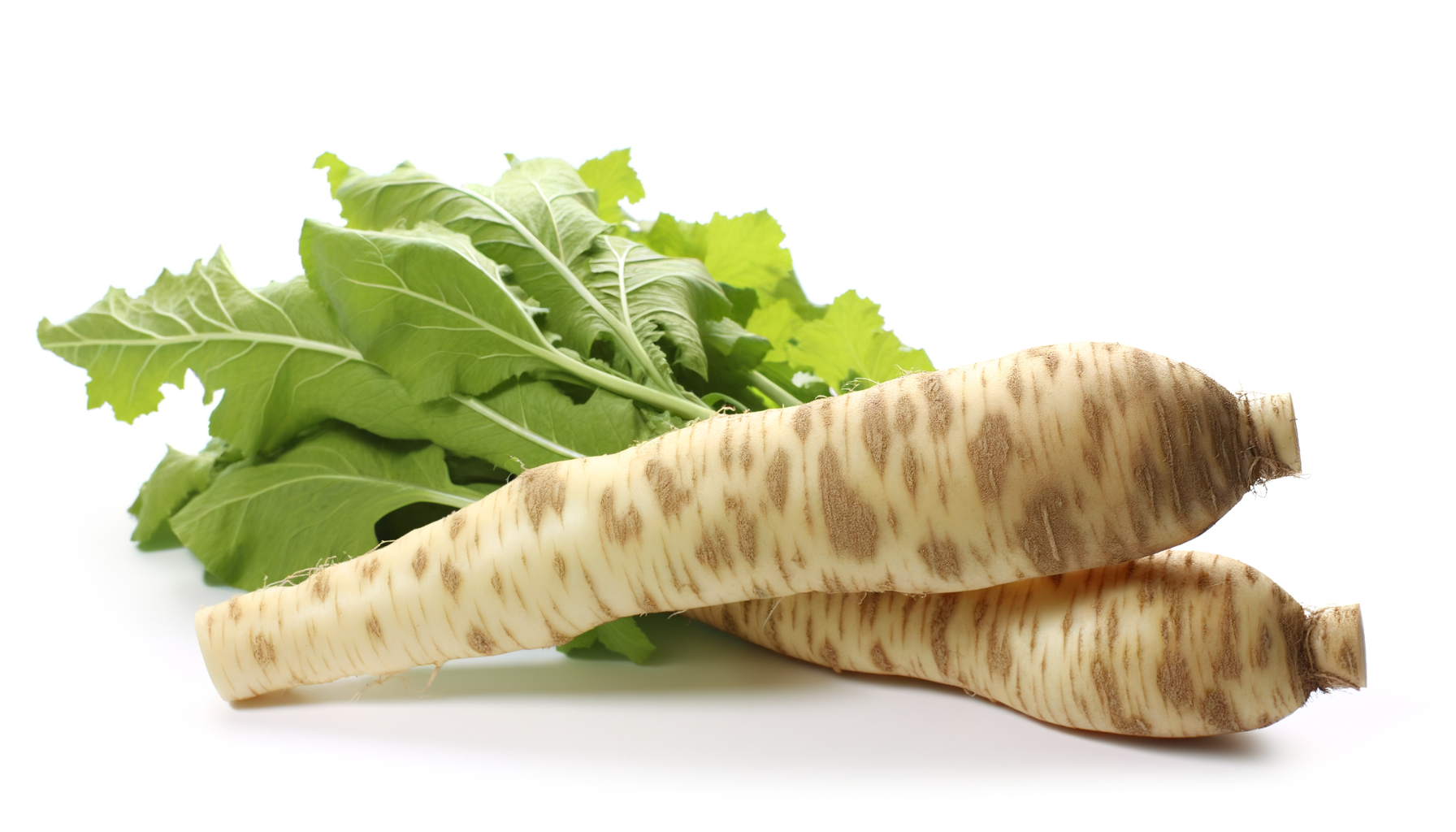
Horseradish
Armoracia rusticana
Sensory Profile
Tastes
Basic flavor profiles
Aromas
Scent characteristics
Stimuli
Sensory sensations
Textures
Physical properties
About Horseradish
Horseradish is renowned for its pungent, sharp, and spicy flavor, which delivers a potent heat that can clear the sinuses. Its taste is often described as earthy with a hint of bitterness, providing a robust kick that can enhance a variety of dishes. This versatile root is commonly grated or ground into a paste and used as a condiment, particularly with meats such as roast beef, where it complements the richness of the dish. It is also a popular ingredient in sauces, dressings, and dips, including the classic cocktail sauce for seafood. Beyond its role as a condiment, horseradish can be incorporated into soups, salads, and even mashed potatoes to add depth and spice. Native to southeastern Europe and western Asia, horseradish has been cultivated since antiquity. It flourished in the temperate climates of Europe and was brought to North America by early settlers, where it became a staple in American cuisine. Horseradish is characterized by its long, white, tapering root, which is typically harvested in the spring or fall. The plant features large, broad leaves and produces small, white flowers when allowed to flower. Its intense flavor is most pronounced when freshly grated, as the heat dissipates over time. Horseradish is also known for its health benefits, including anti-inflammatory properties and high vitamin C
Associated health effects(26)
- Mucolytic Respiratory Support
- Isothiocyanate-Mediated Anticancer Activity
- Expectorant
- Antioxidant
- Isothiocyanate-Mediated Antioxidant Activity
- Allergic Reactions
- Goitrogenic Activity
- Cancer-Preventive
- Antifungal
- Liver Support
- Isothiocyanate-Mediated Antimicrobial Activity
- Glucosinolate-Mediated Colorectal Cancer Risk Reduction
- Decongestant
- Immune Booster
- Digestive Irritation
- Kidney Support
- Sulfur Compound Digestive Stimulation
- Respiratory Mucus Clearance
- Diuretic Activity
- Sinigrin-Mediated Anti-inflammatory Activity
- Antibacterial
- Digestive Aid
- Glucosinolate-Mediated Detoxification Support
- Respiratory Support
- Anticancer Potential
- Anti-inflammatory
Nutrition per 100 g(4)
- Energy: 48 kcal
- Protein: 1.2 g
- Fat: 0.1 g
- Fiber: 5 g