
Hyssop Sensory Map
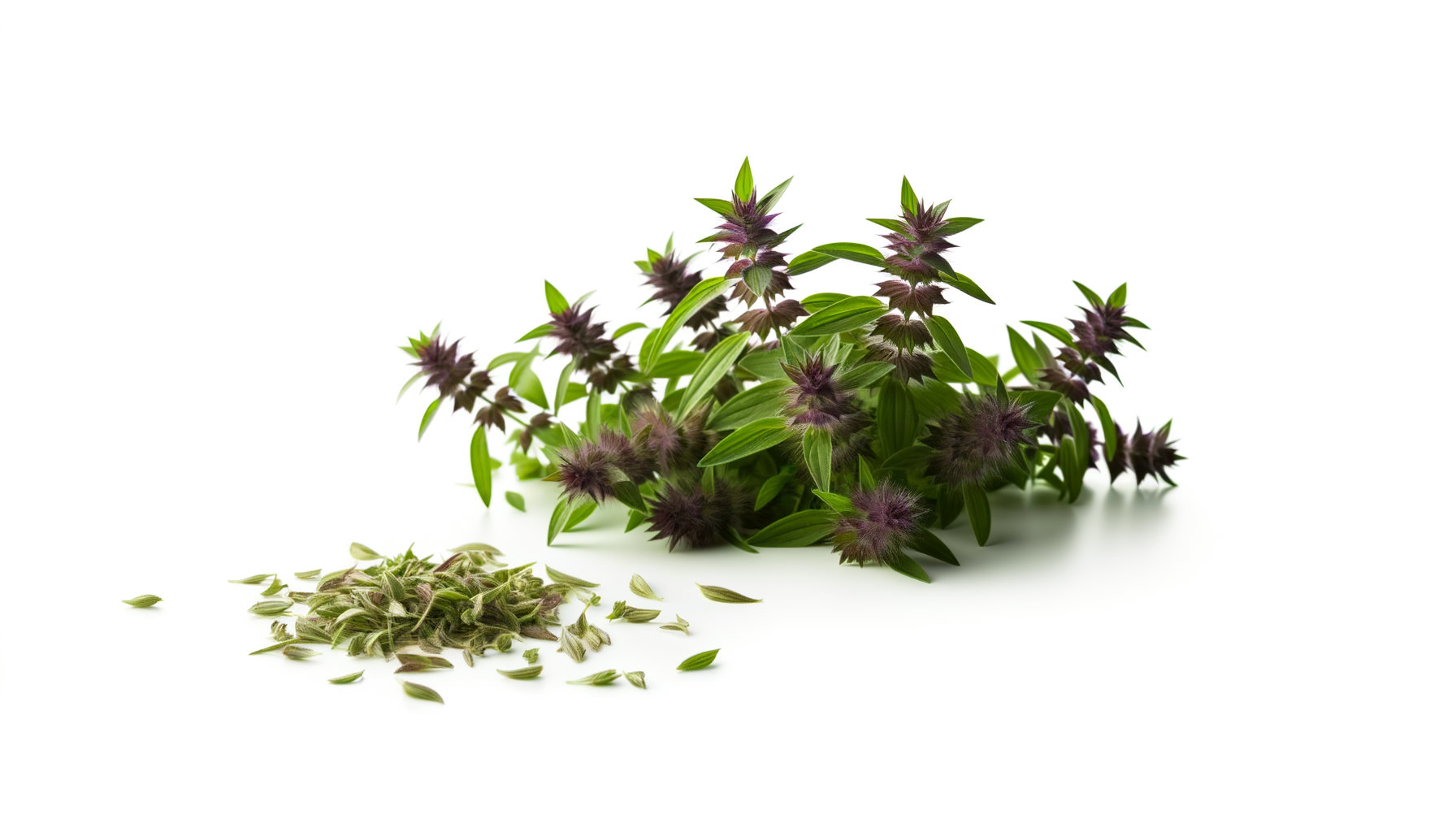
Hyssop
Hyssopus officinalis
Sensory Profile
Tastes
Basic flavor profiles
Aromas
Scent characteristics
Stimuli
Sensory sensations
Textures
Physical properties
About Hyssop
Hyssop (Hyssopus officinalis) is a perennial herb characterized by its robust, slightly bitter flavor profile, which combines minty, floral, and earthy notes, making it a unique addition to various culinary applications. Its aroma is distinctly aromatic with hints of camphor and a sweet, almost anise-like quality, which can invigorate dishes and elevate their complexity. The leaves are tender yet slightly fibrous, providing a refreshing crunch when used fresh, while dried hyssop retains a more concentrated flavor that can enhance sauces and marinades. In classic culinary applications, hyssop shines in traditional Mediterranean dishes such as the French herb blend "fines herbes," where it contributes depth to sauces and dressings, and in the Italian dish "stracotto," where its flavor complements slow-cooked meats, enhancing the overall umami profile through its aromatic compounds. The herb's essential oils, particularly its thymol and pinocamphone content, interact with proteins during cooking, promoting a subtle tenderization effect in meats while also imparting a distinctive flavor that can cut through richness. Originating from the Mediterranean region, hyssop has deep cultural significance, particularly in ancient herbal medicine and religious practices, where it was often associated with purification rituals. Traditional production methods include hand-harvesting the leaves and flowers during peak bloom to capture their essential oils, which are then either dried for long-term storage or used fresh to maximize their flavor potential. What sets hyssop apart is its unique chemical composition, which includes a blend of volatile oils that not only contribute to its flavor but also possess potential health benefits, such as antimicrobial properties. This herb's ability to maintain its aromatic integrity even when dried makes it an invaluable ingredient for chefs seeking to create layered flavors in their dishes, whether in a simple vinaigrette or a complex braise.
Associated health effects(20)
- Circulation Support
- Expectorant
- Appetite Stimulant
- Antioxidant
- Respiratory Support via Antispasmodic and Expectorant Action
- Analgesic Activity
- Nutritional Advantages
- Cytotoxicity and Sedation Risk
- Thujone Neurotoxicity
- Immune Booster
- Pinocamphone-Induced Neurotoxicity
- Gastric Ulcer Protection
- Acute Oral Camphor Toxicity
- Bronchodilation
- Antiviral
- Digestive Aid
- Gastrointestinal Irritation
- Anticancer Potential
- Anti-inflammatory
- Carminative
Nutrition per 100 g(4)
- Energy: 45 kcal
- Protein: 3 g
- Fat: 1.5 g
- Fiber: 3 g