
Indonesian Cinnamon Sensory Map
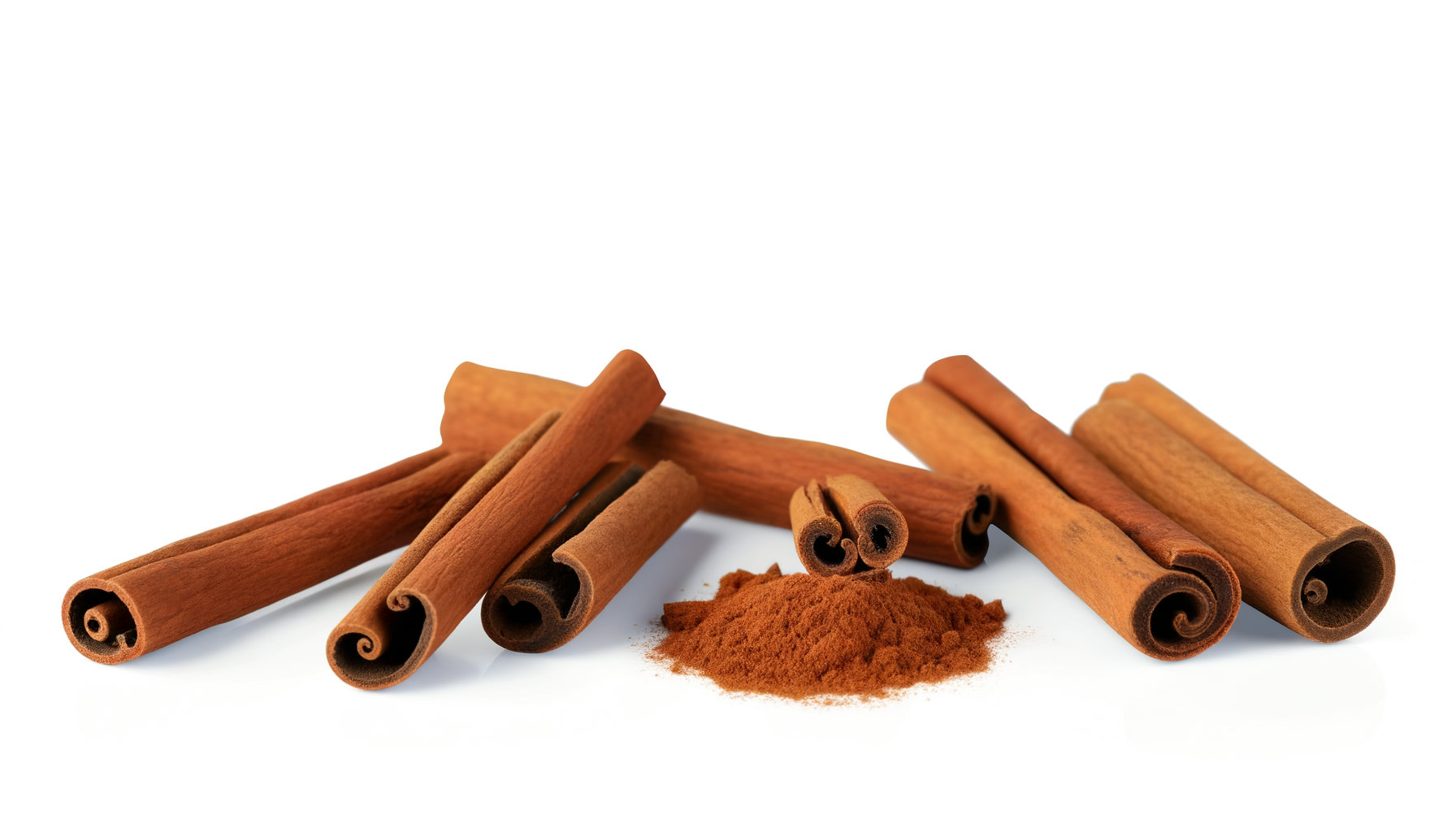
Indonesian Cinnamon
Cinnamomum burmannii
Sensory Profile
Tastes
Basic flavor profiles
Aromas
Scent characteristics
Stimuli
Sensory sensations
Textures
Physical properties
About Indonesian Cinnamon
Indonesian Cinnamon, often referred to as Korintje or boasts a warm, sweet, and slightly spicy flavor profile with a rich, aromatic quality. It is characterized by its bold sweetness and a subtle hint of clove, making it a favorite in both sweet and savory dishes. This versatile spice is commonly used in a variety of culinary applications. It is a staple in baking, enhancing the flavor of pastries, cookies, and cakes. In savory dishes, Indonesian Cinnamon complements meats, stews, and curries, adding depth and warmth. It is also a key ingredient in spice blends such as garam masala and is often used in beverages like chai and mulled wine. Indonesian Cinnamon is primarily cultivated in Indonesia, particularly on the islands of Sumatra and Java. It thrives in the tropical climate and rich volcanic soil of the region, which contributes to its distinctive flavor and aroma. This variety of cinnamon has been used for centuries in traditional Indonesian cooking and trade. Indonesian Cinnamon is known for its thicker, harder quills compared to other cinnamon varieties, such as Ceylon cinnamon. The bark is dark brown and has a more intense flavor, making it a preferred choice for those seeking a robust cinnamon experience. Its high oil content contributes to its aromatic profile, making it a popular
Associated health effects(29)
- Insulin Sensitivity Enhancement
- Anti-arthritic
- Drug Interactions
- Potential Additive Hypoglycemia
- Cardiovascular Protection
- Antioxidant
- Allergic Reactions
- Blood Pressure Reduction
- Wound Healing
- Liver Toxicity
- Alpha-amylase Inhibition
- Antifungal
- Blood Sugar Support
- Coumarin-Induced Hepatotoxicity
- Blood Sugar Regulation
- Immune Booster
- Polyphenol-Mediated Antioxidant Activity
- Cholesterol Management
- Alpha-glucosidase Inhibition
- Antibacterial
- Triglyceride Reduction
- Neuroprotection
- Coumarin-Induced Gastrointestinal Distress
- Heart Health
- Antiviral
- Digestive Aid
- Cholesterol Improvement
- Anticancer Potential
- Anti-inflammatory
Nutrition per 100 g(4)
- Energy: 247 kcal
- Protein: 4 g
- Fat: 1.2 g
- Fiber: 53 g