
Indonesian Vanilla Sensory Map
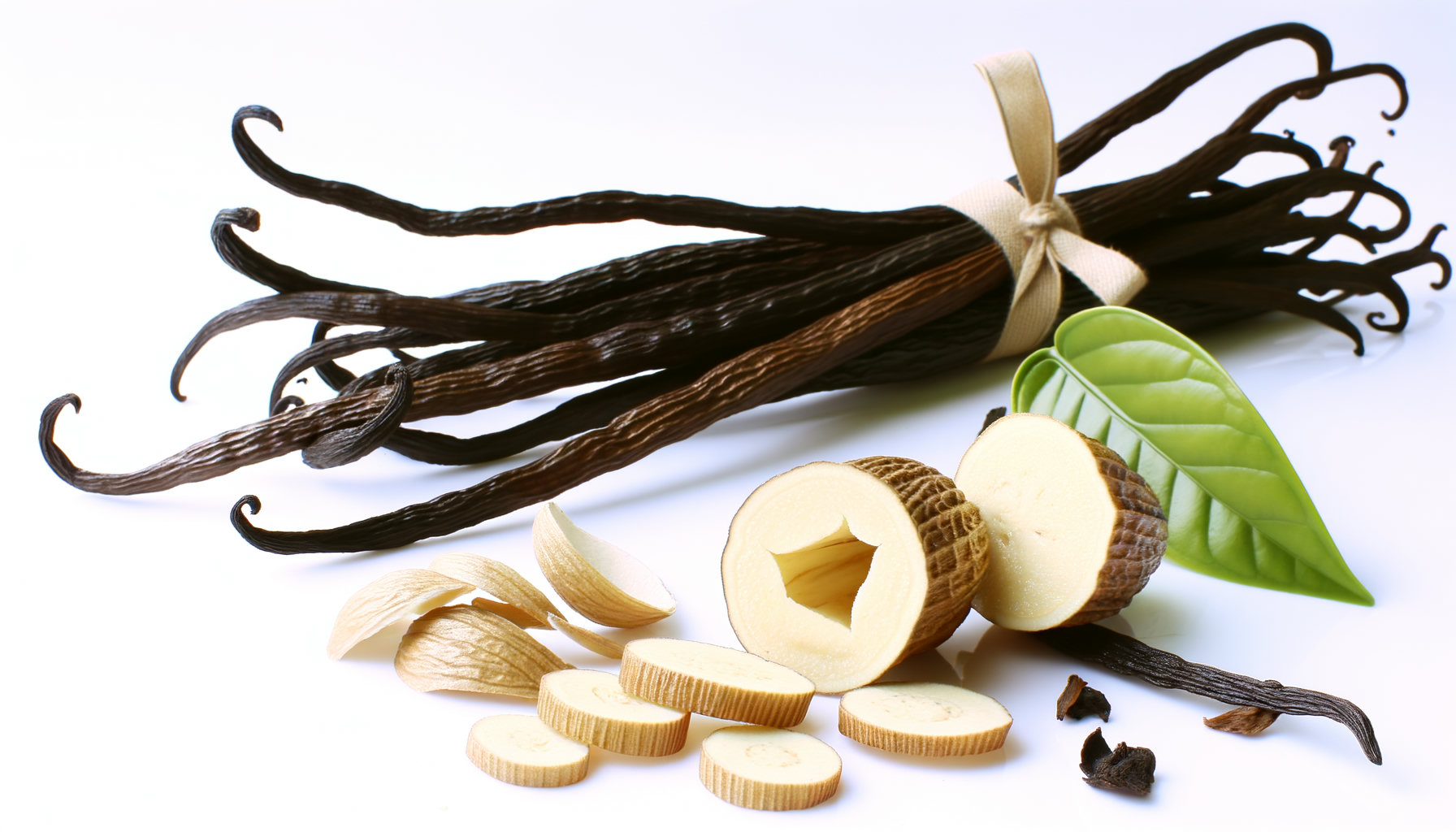
Indonesian Vanilla
Vanilla planifolia
Sensory Profile
Tastes
Basic flavor profiles
Aromas
Scent characteristics
Stimuli
Sensory sensations
Textures
Physical properties
About Indonesian Vanilla
Indonesian Vanilla (Vanilla planifolia), a member of the Orchidaceae family, is renowned for its complex sensory profile that captivates the palate with rich, creamy notes of sweet caramel and hints of floral undertones. The aroma is intoxicatingly warm and inviting, characterized by a deep, resinous quality that evokes the essence of sun-drenched tropical landscapes. When ground into a fine powder or used as whole pods, its texture is smooth and velvety, allowing it to seamlessly blend into both sweet and savory dishes. In culinary applications, Indonesian Vanilla shines in iconic dishes such as vanilla crème brûlée, where its natural sweetness enhances the custard's richness while the heat from the caramelized sugar brings out the vanilla's aromatic compounds, creating a delightful contrast. It is also a key ingredient in Indonesian klepon, where the vanilla's fragrant profile complements the sweet, chewy rice flour balls filled with palm sugar, enriching the overall sensory experience. Furthermore, in savory applications like Indonesian rendang, the vanilla's subtle sweetness balances the dish's complex spice blend, enhancing the umami flavors without overpowering them. Sourced primarily from the lush islands of Indonesia, this vanilla variety holds cultural significance in regional cuisines, often being hand-pollinated and meticulously harvested by local farmers. The traditional production methods involve curing the pods through a labor-intensive process of blanching, sweating, and drying, which develops their characteristic flavor compounds, including vanillin and p-hydroxybenzaldehyde. This careful aging process not only intensifies the flavor but also enhances the aromatic profile, making Indonesian Vanilla distinctively rich and complex compared to other vanilla varieties. What sets Indonesian Vanilla apart is its unique chemical composition, which includes a higher concentration of certain flavor compounds that contribute to its deep, multifaceted taste. The vanilla pods are often aged for several months, allowing for the development of nuanced flavors that can elevate both desserts and savory dishes alike. This meticulous attention to detail in its cultivation and processing underscores the ingredient's esteemed status in the culinary world, making it an essential component for chefs seeking to create dishes with depth and sophistication.
Associated health effects(20)
- Safety and Toxicity
- Antioxidant
- Allergic Reactions
- Vanillin-Mediated Liver Protection
- Aromatherapeutic Sedative Activity
- Calming Aroma Effect
- Analgesic Activity
- Pain Relief
- Aphrodisiac
- Sugar Intake Reduction
- Vanillin-Mediated Lipid and Glucose Regulation
- Vanillin-Mediated Serotonin and Dopamine Modulation
- Cholesterol Management
- Trace Mineral Content Support
- Antibacterial
- Neuroprotection
- Digestive Aid
- Anticancer Potential
- Anti-inflammatory
- Oral Analgesic Activity
Nutrition per 100 g(4)
- Energy: 335 kcal
- Protein: 1 g
- Fat: 1.5 g
- Fiber: 5 g