
Jackfruit Sensory Map
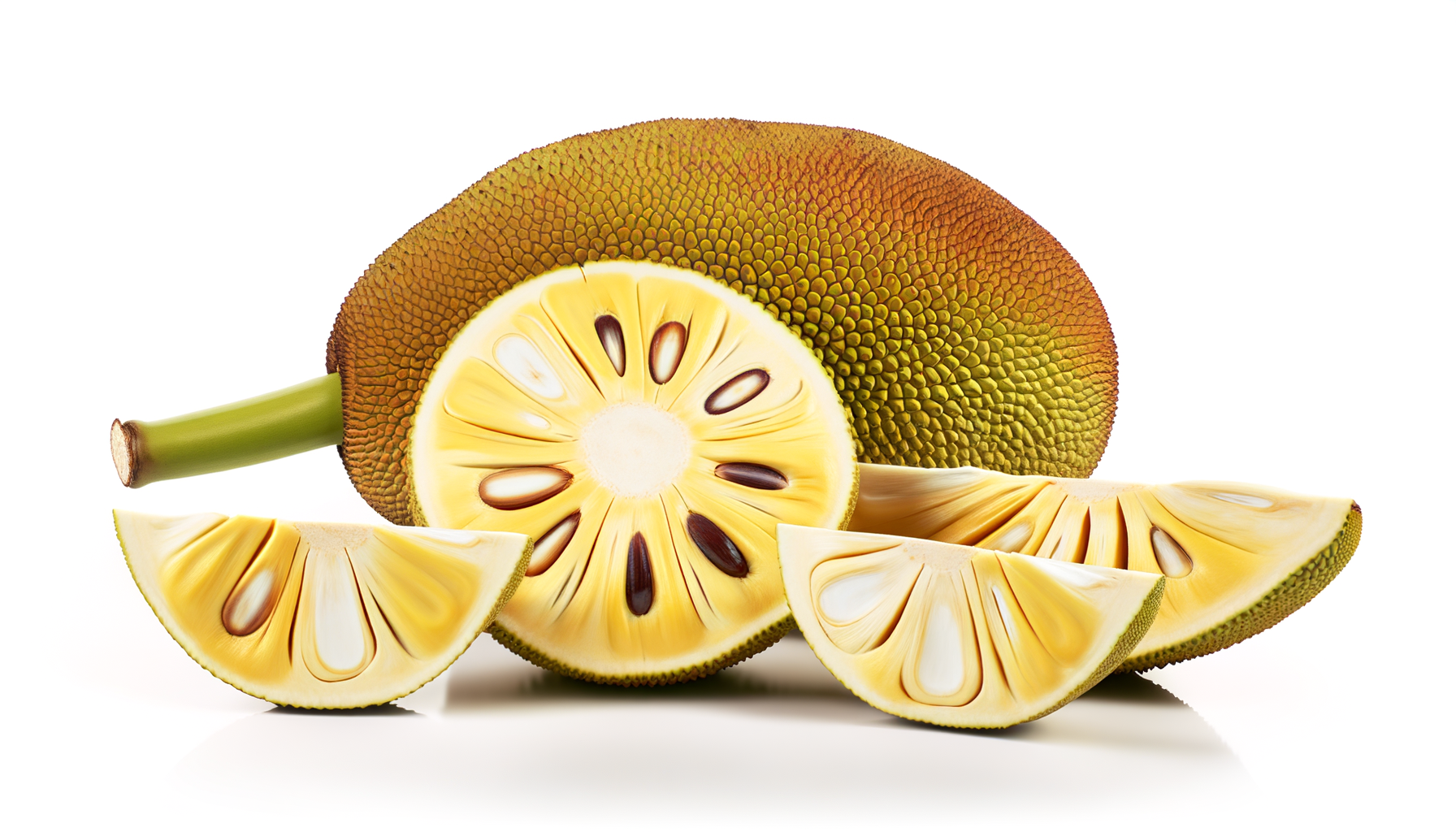
Jackfruit
Artocarpus heterophyllus
Sensory Profile
Tastes
Basic flavor profiles
Aromas
Scent characteristics
Stimuli
Sensory sensations
Textures
Physical properties
About Jackfruit
Jackfruit boasts a unique flavor that varies depending on its ripeness. The unripe fruit has a mild, subtly sweet taste with a texture reminiscent of pulled pork, making it a popular meat substitute in savory dishes. When ripe, jackfruit develops a sweet, tropical flavor akin to a combination of banana, pineapple, and mango, with a fragrant aroma. In its unripe form, jackfruit is often used in savory dishes such as curries, tacos, and stir-fries, where it absorbs spices and flavors well. It can be shredded or diced to mimic the texture of meat, making it a favorite among vegans and vegetarians. Ripe jackfruit is typically enjoyed fresh, in desserts, or blended into smoothies, and can also be used in jams and ice creams. Its versatility allows it to be incorporated into both sweet and savory recipes across various cuisines. Native to the tropical regions of South Asia, particularly India and Bangladesh, jackfruit is now cultivated in many tropical and subtropical areas around the world, including Southeast Asia, Africa, and Brazil. It is the national fruit of Bangladesh and is deeply rooted in the culinary traditions of many Asian cultures. Jackfruit is notable for its large size, with fruits often weighing between 10 to 80 pounds. The exterior is green to yellow-brown,
Associated health effects(85)
- Short-Chain Fatty Acid Support
- Safety and Toxicity
- Vitamin C Source
- Blood Pressure Support
- Butyrate Production Enhancement
- Blood Sugar Spikes
- Micronutrient Support
- Satiety Enhancement
- Insulin Sensitivity Enhancement
- Micronutrient Density
- Vitamin C Content Support
- Constipation Relief
- Hypoglycemic Activity
- Dietary Prebiotic Support
- Potential Additive Hypoglycemia
- Cardiovascular Protection
- Copper
- Antioxidant
- Immunomodulatory Activity
- Hyperkalemia Risk
- Allergic Reactions
- Cardiovascular Health
- Dose-Dependent Effects
- Short-Chain Fatty Acid Production
- Blood Pressure Reduction
- Cardiovascular Disease Risk Reduction
- Nutritional Advantages
- Wound Healing
- Digestive Bulk Support
- Cancer-Preventive
- Antifungal
- Gut Motility Enhancement
- Polyphenol-Mediated Gastrointestinal Protection
- HDL Cholesterol Elevation
- Blood Sugar Support
- Quercetin and Rutin Flavonoid Support
- Antidiabetic Activity
- Blood Sugar Regulation
- Latex-Fruit Syndrome
- Latex-Induced Digestive Irritation
- Anthelmintic Activity
- Immune Booster
- Immune Modulation
- Polyphenol-Mediated Antioxidant Activity
- Atherosclerosis Prevention
- Anti-obesity Activity
- Iron Content Support
- No Evidence of Toxicity, Heavy Metals, or Contaminants
- Mineral Content
- Polysaccharide Immune Modulation
- Electrolyte Balance Support
- Dietary Fiber
- Skin Health
- Allergic Reaction Risk
- Bone Health
- Lower Glycemic Impact
- Prebiotic Support
- Cholesterol Management
- Protein Content
- Niacin
- Alpha-glucosidase Inhibition
- Weight Management
- B Vitamin Nervous System Support
- LDL Cholesterol Reduction
- Vitamin B6 Nervous System Support
- Antibacterial
- Potassium
- Saponin-Mediated Cholesterol Reduction
- Fiber Content
- B-Complex Vitamin Provision
- Gastric Ulcer Protection
- Laxative Activity
- Immune Function
- Muscle Function Support
- Digestive Prebiotic Support
- Gastrointestinal Distress
- Heart Health
- Antiviral
- Magnesium
- Eye Health
- Digestive Aid
- Short-Chain Fatty Acid Production Enhancement
- Digestive Health
- Anticancer Potential
- Anti-inflammatory
Nutrition per 100 g(4)
- Energy: 95 kcal
- Protein: 1.7 g
- Fat: 0.6 g
- Fiber: 1.5 g