
Jalapeno Sensory Map
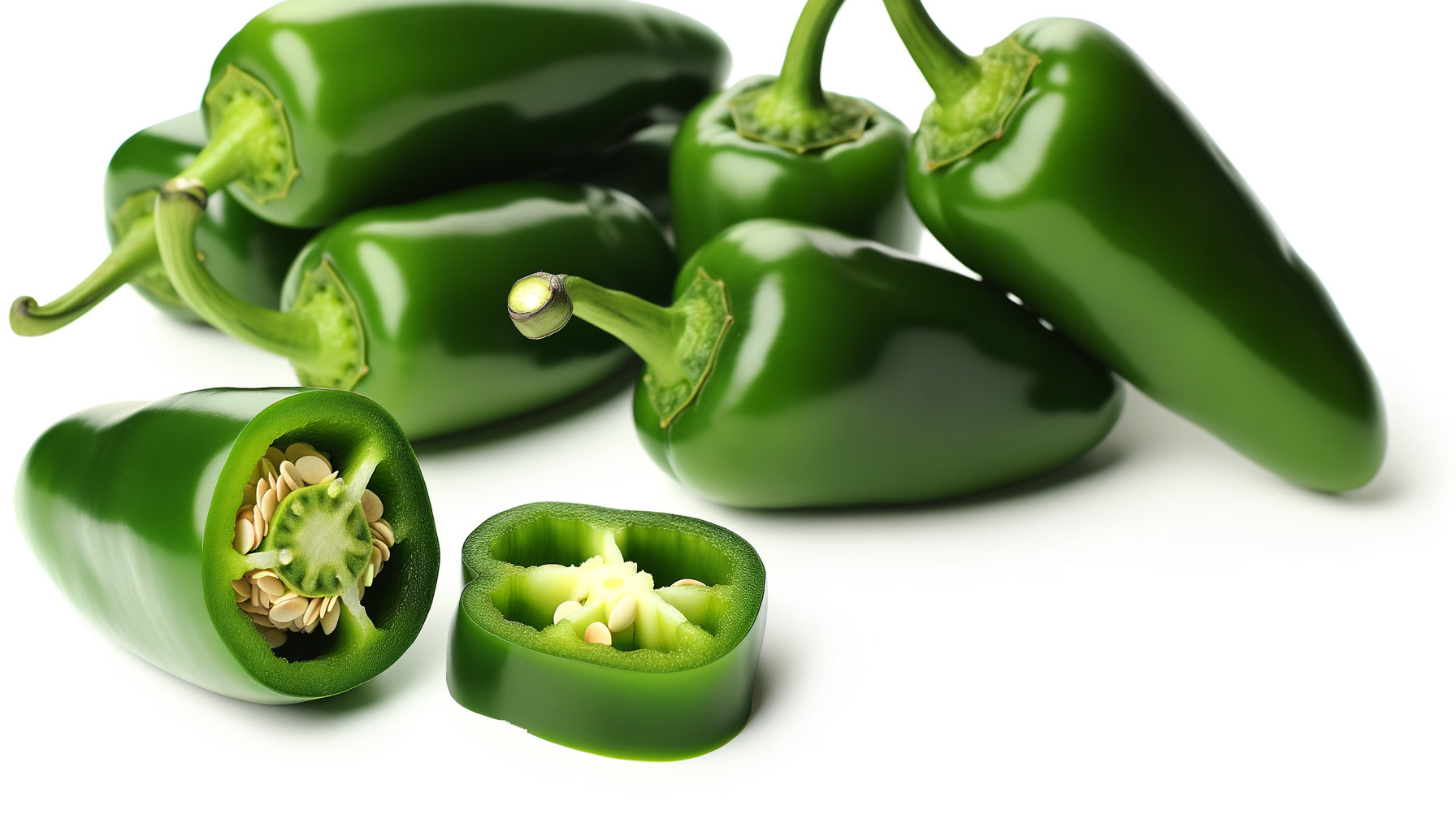
Jalapeno
Capsicum annuum
Sensory Profile
Tastes
Basic flavor profiles
Aromas
Scent characteristics
Stimuli
Sensory sensations
Textures
Physical properties
About Jalapeno
Jalapeño (Capsicum annuum), a member of the Solanaceae family, is a vibrant chili pepper celebrated for its distinct balance of heat and flavor. On the sensory spectrum, jalapeños offer a crisp, fresh texture with a bright green hue, and their aroma is characterized by grassy, slightly sweet notes with a hint of smokiness, particularly when roasted. The heat level, typically ranging from 2,500 to 8,000 Scoville Heat Units, provides a gentle warmth that enhances rather than overwhelms dishes, making it a favorite among chefs seeking depth without excessive spice. Culinary applications of jalapeño are rich and varied; it is a key ingredient in iconic dishes such as salsa fresca, where its bright acidity and heat complement the freshness of tomatoes and onions, creating a harmonious balance that enlivens the palate. In jalapeño poppers, the pepper's firm flesh holds up well to stuffing and frying, allowing for a delightful contrast between the creamy filling and the pepper's crisp bite. Furthermore, in Mexican pozole, jalapeños contribute both flavor and a subtle heat that elevates the dish, enhancing the umami of the hominy and meat through a chemical reaction that occurs during cooking, where capsaicin interacts with the proteins, enriching the overall taste profile. Originating from Mexico, jalapeños have deep cultural significance, often featured in traditional dishes and celebrations. They are typically harvested when still green, although they can also be allowed to ripen to a red color, which intensifies their sweetness and heat. Traditional production methods include sun-drying and smoking, as seen in the preparation of chipotle peppers, which adds a complex, earthy flavor profile that further distinguishes them in culinary applications. What sets jalapeños apart is their unique combination of flavor compounds, including capsaicin, which not only provides heat but also acts as a natural preservative, enhancing the shelf life of dishes. Their ability to retain texture and flavor integrity during cooking makes them an invaluable ingredient in both fresh and cooked preparations, allowing chefs to explore a wide range of culinary possibilities while maintaining the essential character of the dish.
Associated health effects(56)
- Vitamin C Source
- Capsaicin-Induced Appetite Suppression
- Capsaicin-Induced Sensory Burning
- Beta-Carotene Source
- Micronutrient Density
- Vitamin C Content Support
- Vision Support
- Capsaicin Overexposure Syndrome
- Cardiovascular Protection
- Antioxidant
- Cardiovascular Health
- Weight loss and metabolism boost
- Capsaicin Pain Receptor Desensitization
- Folate Source
- Gut Microbiota Modulation via Capsaicin
- Nutritional Advantages
- Cancer-Preventive
- Blood Sugar Support
- Vitamin A Support
- Capsaicin-Induced Pain Relief
- Bacterial Contamination Risk
- Blood Sugar Regulation
- Immune Booster
- Chronic Disease Prevention
- Vision Protection
- Capsaicin-Induced Gastroesophageal Reflux Aggravation
- Capsaicin-Induced LDL Oxidation Reduction
- Foodborne Illness Risk
- Capsaicin-Induced Thermogenesis
- Capsaicin Sensory Burning
- Digestive Discomfort
- Dietary Fiber
- Skin Health
- Capsaicin-Induced Gastroprotection
- All-Cause Mortality Reduction
- Anemia Prevention
- Vitamin C Provision
- Capsaicin-Induced Fat Oxidation Enhancement
- Antioxidant Immunity Support
- Manganese
- Weight Management
- B Vitamin Nervous System Support
- LDL Cholesterol Reduction
- Antimicrobial Activity (Capsaicin-Specific)
- Antibacterial
- Potassium
- Fiber Content
- Gastric Ulcer Protection
- Immune Function
- Capsaicin-Induced Gastrointestinal Irritation
- Heart Health
- Contact Dermatitis
- Digestive Aid
- Digestive Health
- Anticancer Potential
- Anti-inflammatory
Nutrition per 100 g(4)
- Energy: 31 kcal
- Protein: 1 g
- Fat: 0.4 g
- Fiber: 2 g