
Jicama Sensory Map
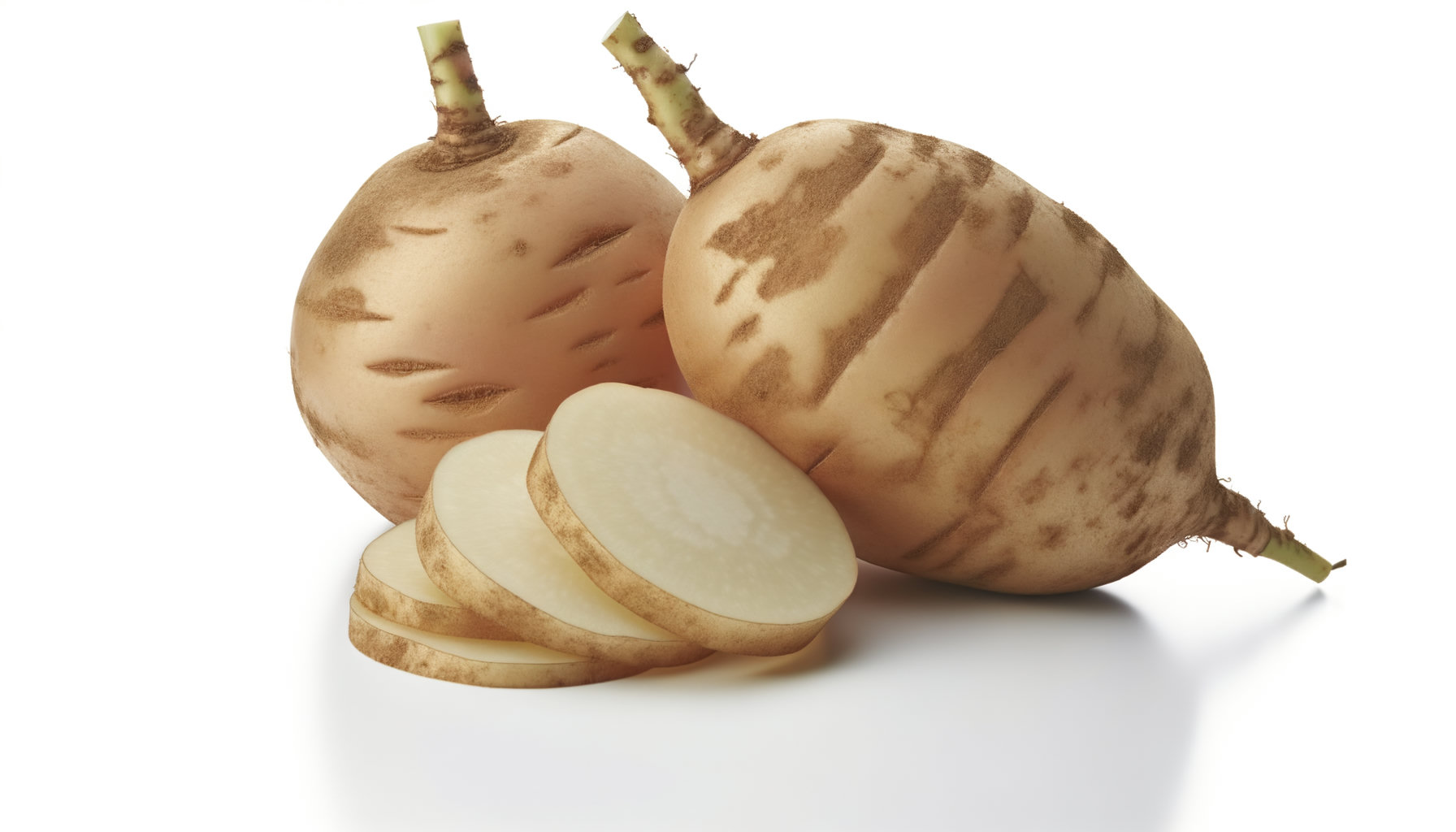
Jicama
Pachyrhizus erosus
Sensory Profile
Tastes
Basic flavor profiles
Aromas
Scent characteristics
Stimuli
Sensory sensations
Textures
Physical properties
About Jicama
Jicama (Pachyrhizus erosus) is a root vegetable native to Mexico and Central America, renowned for its crisp texture and subtly sweet, nutty flavor profile reminiscent of a cross between an apple and a water chestnut. Its refreshing crunch and high water content make it an ideal addition to salads and slaws, where it can provide a satisfying contrast to softer ingredients. The aroma is mild and earthy, with a hint of sweetness that becomes more pronounced when the vegetable is sliced or grated, releasing its natural juices. In culinary applications, jicama shines in dishes such as Mexican street corn salad (esquites), where its crispness complements the creamy, tangy flavors of cotija cheese and lime, adding an essential textural element. It is also a key ingredient in jicama tacos, where its ability to hold shape and provide crunch contrasts beautifully with the tender fillings, enhancing the overall mouthfeel of the dish. Additionally, jicama is often enjoyed raw with chili powder and lime, a classic Mexican snack that highlights its refreshing qualities and balances the heat of the spices. Geographically, jicama is primarily cultivated in Mexico, where it holds cultural significance as a staple in traditional diets and is often featured in festive dishes. The cultivation of jicama involves careful harvesting to ensure the roots are firm and unblemished, as they are prone to spoilage if damaged. Traditionally, jicama is grown in well-drained soils and requires a warm climate, making it a seasonal favorite in many regions. What sets jicama apart is its unique composition; it is low in calories and high in fiber, making it a popular choice for health-conscious consumers. Its high water content (approximately 90%) not only contributes to its refreshing taste but also allows it to remain crisp for extended periods, making it an excellent candidate for pickling or marinating without losing its structural integrity. This characteristic, combined with its natural sweetness, makes jicama an intriguing ingredient for both raw and cooked applications, allowing chefs to explore its versatility in modern cuisine while honoring its traditional roots.
Associated health effects(66)
- Safety and Toxicity
- Blood Pressure Support
- Butyrate Production Enhancement
- Blood Sugar Control
- Satiety Enhancement
- Insulin Sensitivity Enhancement
- Micronutrient Density
- Vitamin C Content Support
- Colonic Transit Enhancement
- Rotenoid Toxicity
- Constipation Relief
- Dietary Prebiotic Support
- Flatulence and Bloating
- Antioxidant
- Cardiovascular Health
- Non-edible Plant Part Toxicity
- Toxicity and Safety
- Short-Chain Fatty Acid Production
- Blood Pressure Reduction
- Gut Microbiota Modulation
- Digestive Bulk Support
- Lipid Profile Improvement
- Blood Cholesterol Reduction
- Fluid balance and hydration support
- Blood Sugar Support
- Drug Absorption Interference
- Appetite Reduction via Fiber-Induced Satiety
- Low Caloric Density
- Rotenone Toxicity
- Blood Sugar Regulation
- Immune Booster
- Immune Modulation
- Rotenone-Induced Toxicity
- Rotenone Phytoalexin Toxicity
- Foodborne Illness Risk
- Iron Content Support
- No Evidence of Toxicity, Heavy Metals, or Contaminants
- Mineral Content
- Dietary Fiber
- Skin Health
- Allergic Reaction Risk
- Prebiotic Fiber-Mediated Gut Microbiota Improvement
- Bone Health
- Rotenone Exposure Toxicity
- Inulin Prebiotic Support
- Prebiotic Support
- Rotenone-Linked Toxicity Risk
- Digestive Distress
- Cholesterol Management
- Antiscorbutic Activity
- Inulin-Mediated Glycemic Regulation
- Weight Management
- B Vitamin Nervous System Support
- Hydration Support
- LDL Cholesterol Reduction
- Potassium
- Rotenone-Induced Toxicity Risk
- Immune Function
- Low Glycemic Impact
- Low Allergenicity
- Digestive Prebiotic Support
- Heart Health
- Inulin-Mediated Prebiotic Support
- Digestive Aid
- Digestive Health
- Anti-inflammatory
Nutrition per 100 g(4)
- Energy: 38 kcal
- Protein: 0.7 g
- Fat: 0.2 g
- Fiber: 1.8 g