
Juniper Sensory Map
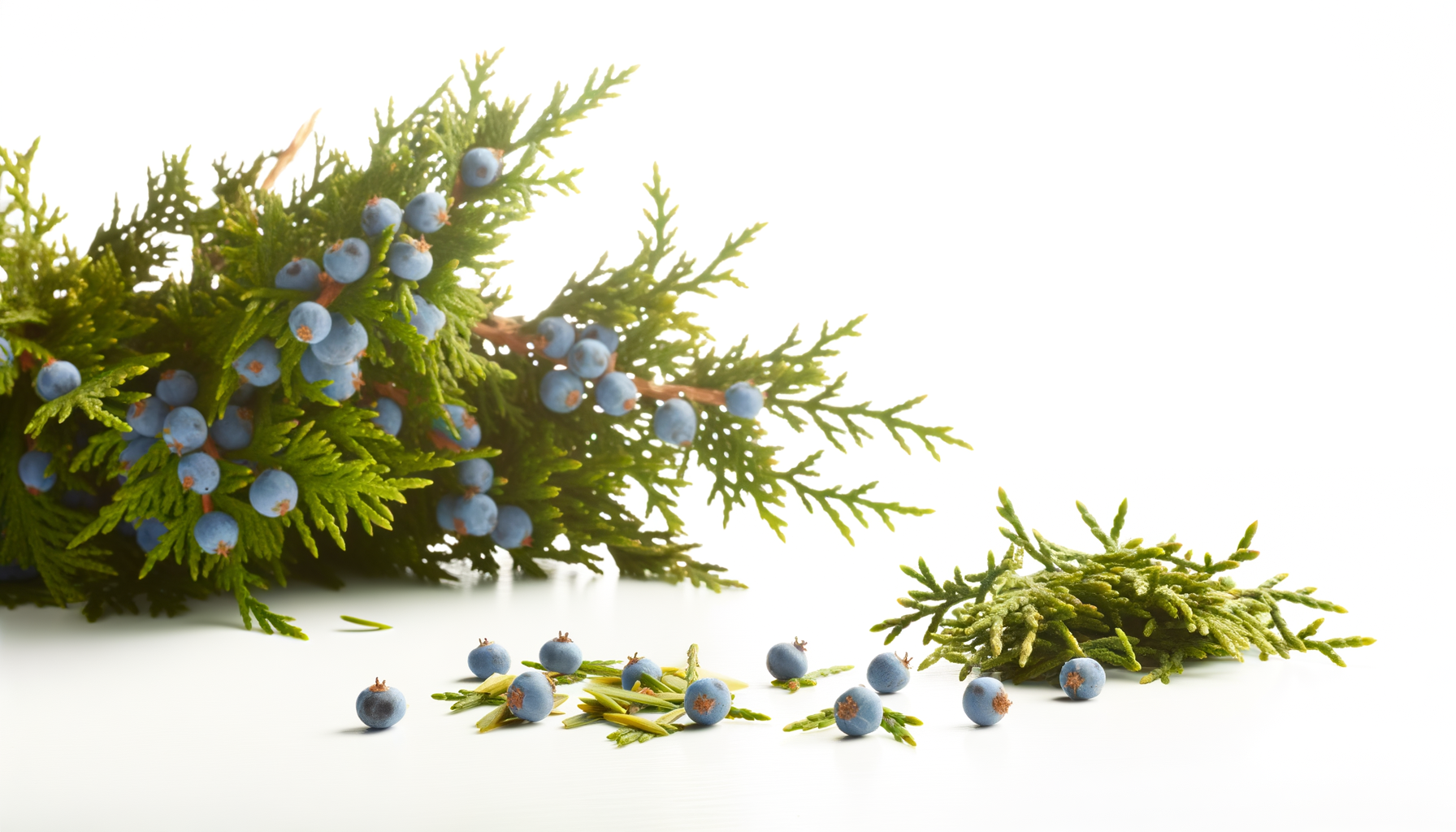
Juniper
Juniperus communis
Sensory Profile
Tastes
Basic flavor profiles
Aromas
Scent characteristics
Stimuli
Sensory sensations
Textures
Physical properties
About Juniper
Juniper berries possess a unique flavor that is often described as piney, resinous, and slightly sweet, with hints of citrus and pepper. Their aromatic quality is both refreshing and complex, making them a distinctive addition to various dishes. Juniper is most commonly associated with game meats, particularly venison, where its bold flavor complements the richness of the meat. It is also used in marinades, brines, and sauces to enhance the depth of flavor. In Scandinavian cuisine, juniper is a key ingredient in traditional dishes such as gravlax and pickled herring. Additionally, it is essential in the production of gin, where the berries are distilled to impart their characteristic taste. Juniper is native to various regions across the Northern Hemisphere, thriving in temperate climates. It can be found in the wild from North America to Europe and Asia, often growing in rocky, well-drained soils. The berries are harvested from the female plants, typically in late summer to early autumn. The juniper plant is a hardy evergreen shrub or small tree, characterized by its needle-like leaves and blue-purple berries. The berries are actually fleshy cones that take about 18 months to mature. Beyond culinary applications, juniper has a long history of medicinal use, believed to have antiseptic and diuretic properties. Its aromatic qualities also make it popular in
Associated health effects(17)
- Kidney Stress
- Antioxidant
- Allergic Reactions
- Antifungal
- Blood Sugar Support
- Flavor and Culinary Use
- Kidney Support
- Interaction with Medications
- Cholesterol Management
- Stress Relief
- Antibacterial
- Neuroprotection
- Gastrointestinal Distress
- Antiviral
- Digestive Aid
- Anti-inflammatory
- Carminative
Nutrition per 100 g(4)
- Energy: 136 kcal
- Protein: 1 g
- Fat: 4 g
- Fiber: 7 g