
Kachri Sensory Map
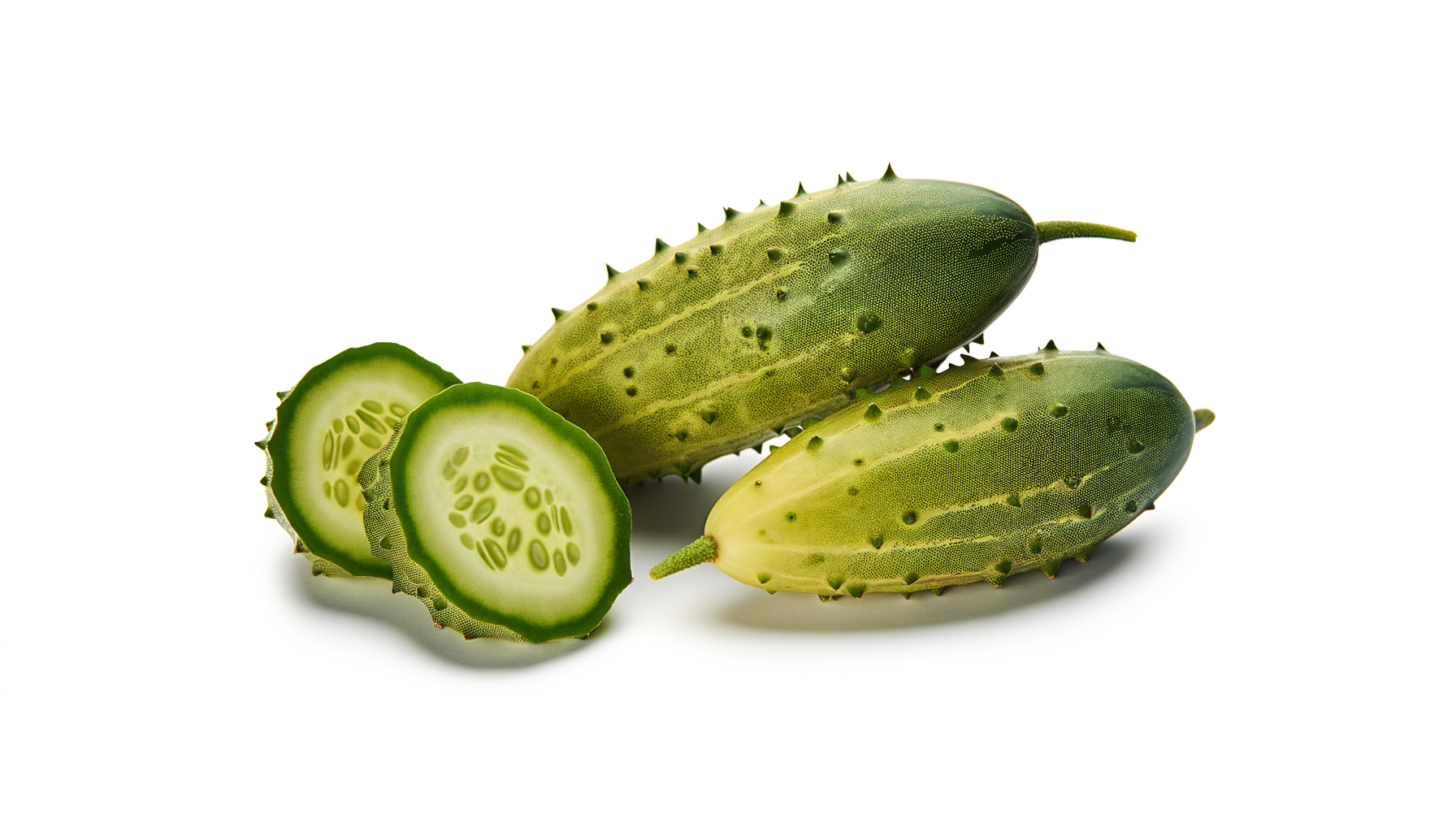
Kachri
Cucumis melo subsp. agrestis var. agrestis
Sensory Profile
Tastes
Basic flavor profiles
Aromas
Scent characteristics
Stimuli
Sensory sensations
Textures
Physical properties
About Kachri
Kachri, often referred to as wild cucumber or Indian cucumber, boasts a unique flavor that is mildly tangy and slightly sweet, with a refreshing crispness. Its taste is reminiscent of a blend between cucumber and melon, making it a versatile ingredient in various culinary applications. Kachri is predominantly used in Indian and Pakistani cuisine, particularly in Rajasthani dishes. It is commonly dried and ground into a spice or used fresh in salads, chutneys, and pickles. The dried form is particularly valued for its ability to enhance the flavor of meats, lentils, and vegetable dishes, imparting a subtle acidity that balances rich and spicy flavors. Additionally, Kachri is often used in traditional spice blends and marinades, especially for tandoori dishes. Kachri is native to the arid regions of India, particularly Rajasthan, where it thrives in sandy soils and hot climates. It has been cultivated for centuries and is an integral part of local culinary traditions. Its adaptability to harsh environments has made it a staple in rural diets. Kachri is characterized by its small, oval shape and light green to yellowish skin, often covered with fine spines. The flesh is juicy and crisp, making it a refreshing addition to dishes. When dried,
Associated health effects(33)
- Expectorant
- Micronutrient Density
- Appetite Stimulant
- Antioxidant
- Allergic Reactions
- Dose-Dependent Effects
- Analgesic Activity
- Nutritional Advantages
- Wound Healing
- Pain Relief
- Anti-pruritic Activity
- Immune Booster
- Proteolytic Digestive Enzyme Activity
- Digestive Enzyme Stimulation
- Amino Acid Support
- No Evidence of Toxicity, Heavy Metals, or Contaminants
- Mineral Content
- Dietary Fiber
- Interaction with Medications
- Cholesterol Management
- Protein Content
- Vermicidal Activity
- Hydration Support
- Cooling Activity
- Culinary Properties
- Bronchodilation
- Digestive Stimulant Activity
- Digestive Support
- Digestive Aid
- Respiratory Support
- Digestive Health
- Anti-inflammatory
- Carminative
Nutrition per 100 g(4)
- Energy: 20 kcal
- Protein: 1 g
- Fat: 0.2 g
- Fiber: 1.5 g