
Kadampoli Sensory Map
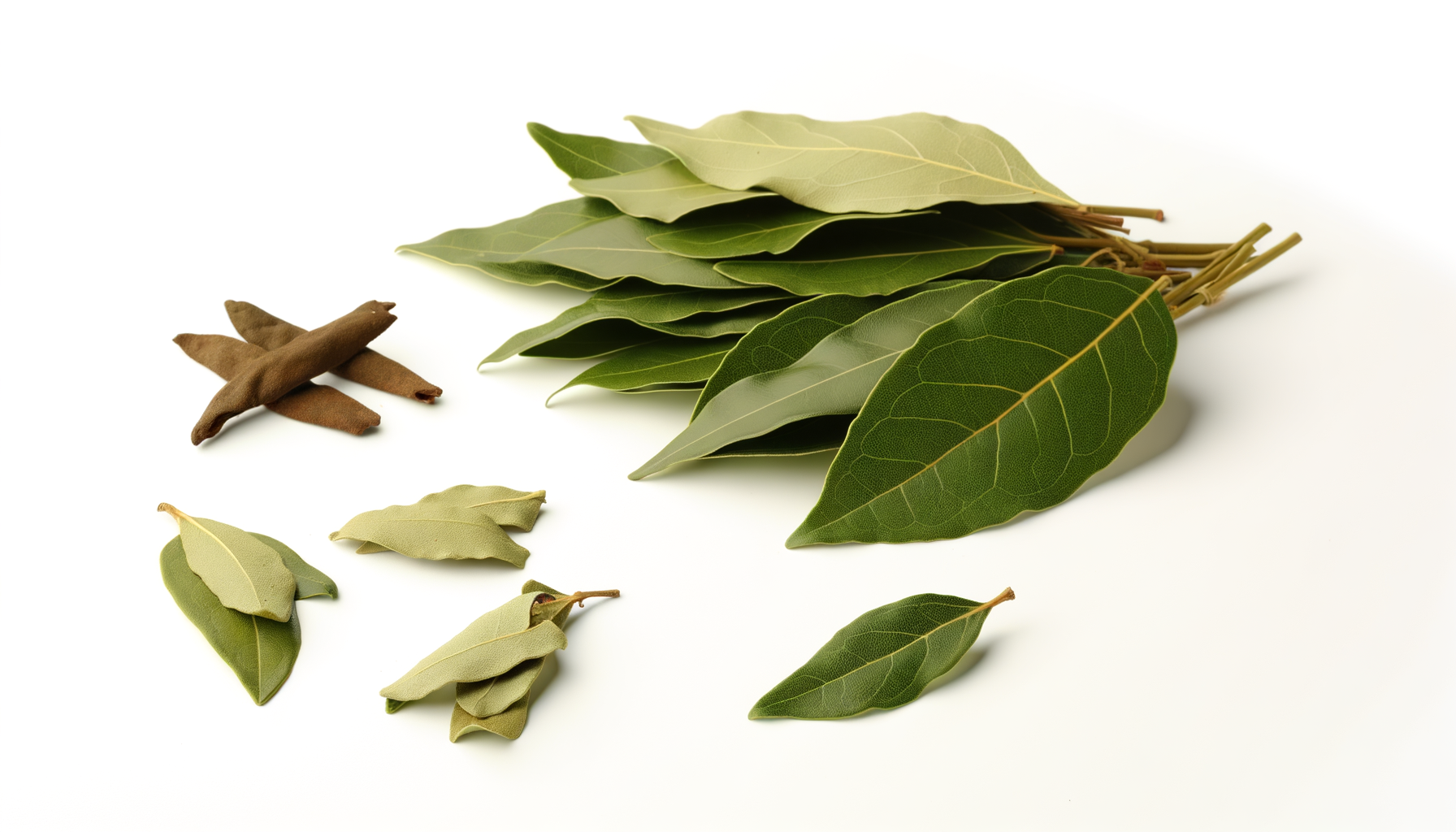
Kadampoli
Cinnamomum tamala
Sensory Profile
Tastes
Basic flavor profiles
Aromas
Scent characteristics
Stimuli
Sensory sensations
Textures
Physical properties
About Kadampoli
Kadampoli, also known as Indian bay leaf, boasts a complex flavor that combines earthy, slightly sweet, and aromatic notes with a hint of clove and cinnamon. Its subtle warmth and fragrant essence make it a versatile spice that enhances both savory and sweet dishes. Primarily used in Indian cuisine, kadampoli is a key ingredient in various regional dishes, particularly in curries, biryanis, and stews. It is often added to spice blends, such as garam masala, and is used to infuse oils and broths. The leaves can be used whole or ground into a powder, imparting their unique flavor to rice dishes, lentils, and meat preparations. Additionally, kadampoli can be used to flavor pickles and chutneys, adding depth and complexity. Kadampoli is native to the hilly regions of the Indian subcontinent, particularly in the Western Ghats of India. It thrives in moist, tropical climates and is often found in forests, where it grows as an evergreen tree. The leaves have been traditionally harvested for culinary and medicinal purposes for centuries. The leaves of kadampoli are dark green, elongated, and have a glossy appearance. When dried, they retain their aromatic qualities and can be easily crumbled to release their essential oils. Unlike common bay leaves,
Associated health effects(17)
- Hydroxycitric Acid-Mediated Appetite Suppression
- Drug Interactions
- Antioxidant
- Appetite Reduction
- Liver Toxicity
- Blood Sugar Regulation
- Immune Booster
- Digestive Enzyme Stimulation
- Digestive Irritation
- Gastric Irritation
- Interaction with Medications
- Cholesterol Management
- Gastroprotection
- Weight Management
- Digestive Aid
- Anti-inflammatory
- Carminative
Nutrition per 100 g(4)
- Energy: 353 kcal
- Protein: 6 g
- Fat: 2 g
- Fiber: 30 g