
Kaffir Lime Sensory Map
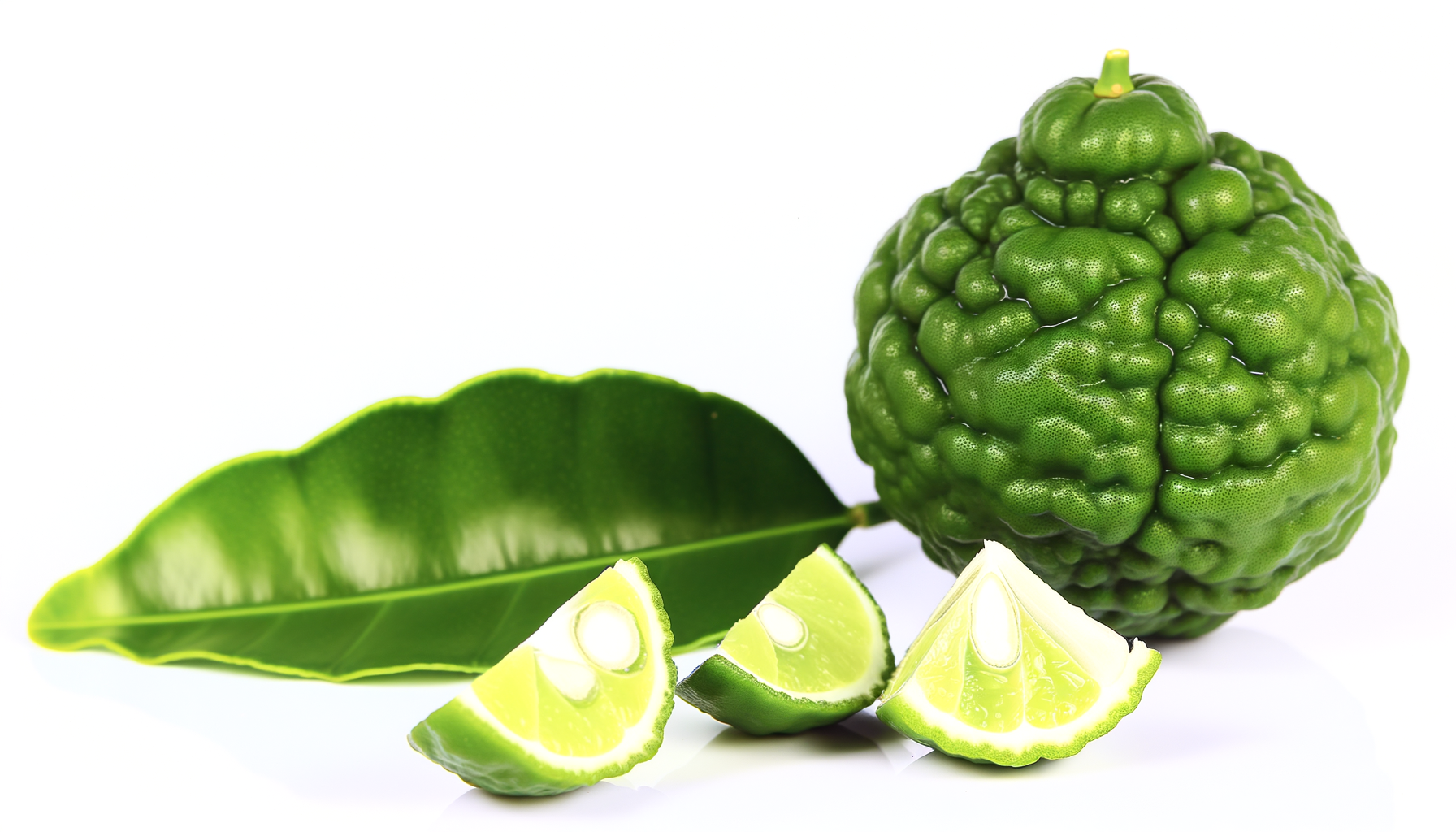
Kaffir Lime
Citrus hystrix
Sensory Profile
Tastes
Basic flavor profiles
Aromas
Scent characteristics
Stimuli
Sensory sensations
Textures
Physical properties
About Kaffir Lime
Kaffir lime is renowned for its unique and aromatic flavor, characterized by a bright, citrusy zest that is both tangy and slightly bitter. The leaves impart a refreshing, herbal quality, while the fruit offers a sharp, pungent citrus note that is less sweet than common limes. Kaffir lime leaves are a staple in Southeast Asian cuisine, particularly in Thai and Indonesian dishes. They are often used whole or torn to infuse soups, curries, and stir-fries with their fragrant oils. The zest of the fruit can be used to enhance marinades, dressings, and desserts, while the juice is occasionally added for a burst of acidity. Additionally, Kaffir lime is integral to traditional dishes like Tom Yum soup and green curry. Originating from Southeast Asia, Kaffir lime is commonly found in tropical regions, particularly in Thailand, Malaysia, and Indonesia. The plant thrives in warm climates and is often cultivated in home gardens for its aromatic leaves and fruit. Kaffir lime is easily recognizable by its bumpy, dark green fruit and unique double leaves, which are oval and have a distinctive shape resembling a figure-eight. The leaves are glossy and aromatic, making them a sought-after ingredient for their intense fragrance. Beyond culinary uses, Kaffir lime is also valued in traditional medicine and aromatherapy for
Associated health effects(43)
- Vitamin C Source
- Digestive Motility Enhancement
- Beta-Carotene Source
- Apoptosis Induction
- Drug Interactions
- Oral Plaque and Gingivitis Reduction
- Antiseptic Skin Protection
- Antioxidant
- Allergic Reactions
- Cardiovascular Health
- Dose-Dependent Effects
- Allergy Risk
- Analgesic Activity
- Nutritional Advantages
- Antifungal
- Liver Support
- Phototoxicity
- Cytotoxic Activity Against Cancer Cell Lines
- Antidiabetic Activity
- Immune Booster
- Immune Modulation
- Atherosclerosis Prevention
- Flavor and Culinary Use
- No Evidence of Toxicity, Heavy Metals, or Contaminants
- Mineral Content
- Hepatoprotection
- Skin Health
- Carbazole Alkaloid Antioxidant Activity
- Topical Skin and Scalp Improvement
- Stress Relief
- Antiscorbutic Activity
- Gastroprotection
- Hair Health
- Carbazole Alkaloid Antimicrobial Activity
- B Vitamin Nervous System Support
- Anti-aging Activity
- Antibacterial
- Chemopreventive Potential
- Neuroprotection
- Digestive Aid
- Anticancer Potential
- Anti-inflammatory
- Carminative
Nutrition per 100 g(4)
- Energy: 36 kcal
- Protein: 2 g
- Fat: 0.2 g
- Fiber: 2 g