
Kair Sensory Map
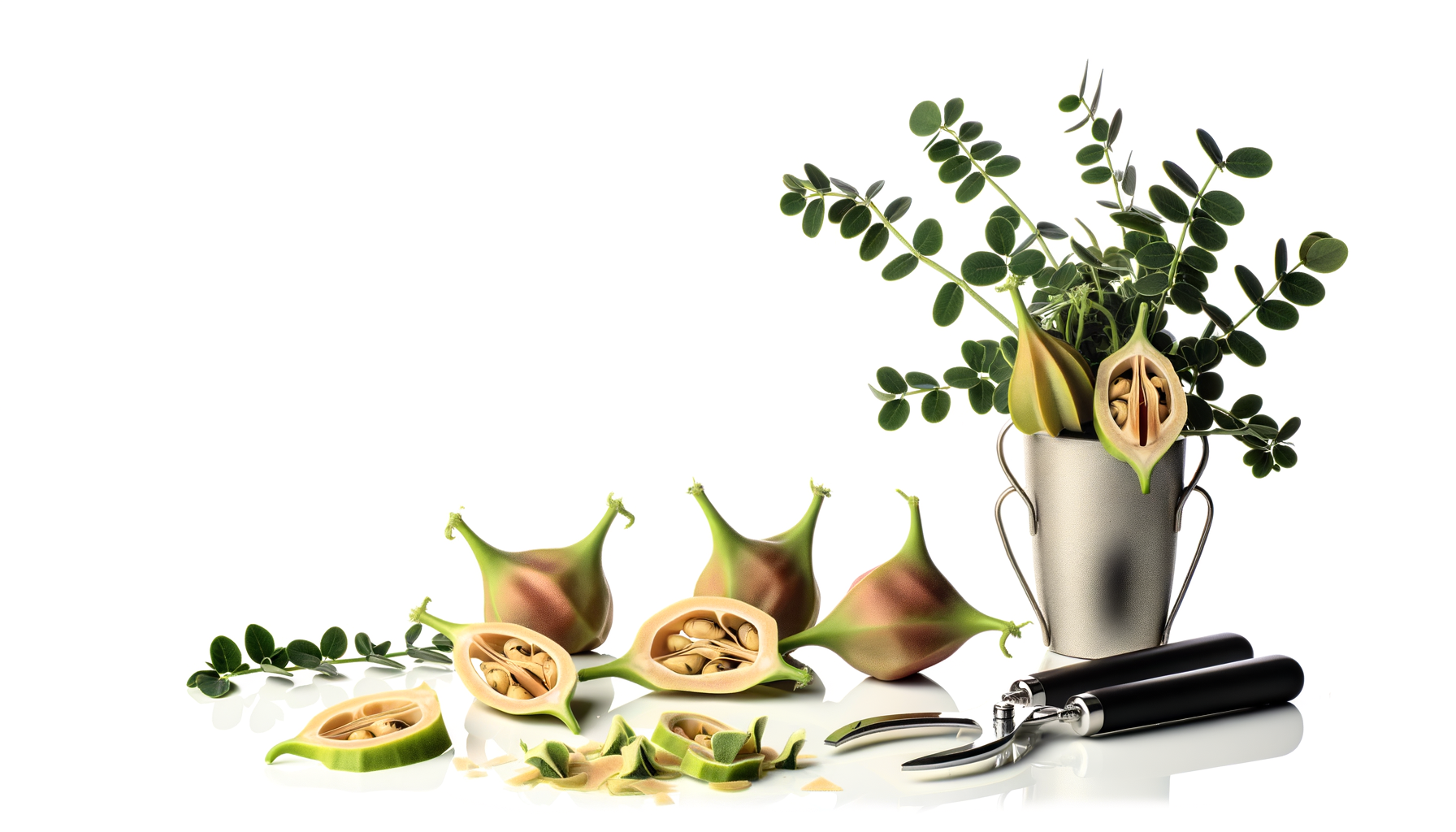
Kair
Capparis decidua
Sensory Profile
Tastes
Basic flavor profiles
Aromas
Scent characteristics
Stimuli
Sensory sensations
Textures
Physical properties
About Kair
Kair (Capparis decidua), also known as Karira or Sodada, is a robust plant from the Capparaceae family (caper family). It is particularly widespread in arid and semi-arid regions and is considered a valuable resource in marginal habitats due to its adaptability to extreme conditions. This plant has been used for centuries in traditional medicine, nutrition, and agriculture. In the following, I will explore it thoroughly and in detail, based on botany, ecology, uses, phytochemistry, and pharmacological aspects. The fruits and young buds can be eaten raw. The pungent fruits are used for vegetables, curries, and fine pickles, e.g., the dish "Kairan ji Bhaaji" in Tharparkar, Sindh. In Sudan, the fruits serve as food for camels, goats, and humans, especially in times of scarcity. The seeds contain high amounts of carbohydrates (25.42%), proteins (27.71%), and lipids (29.11%), making them nutrient-rich. In folk medicine and herbalism, the plant is used in various ways. The bitter roots and bark treat swollen joints and rheumatic complaints. It shows antidiabetic, anthelmintic, antibacterial, antifungal, analgesic, antinociceptive, antirheumatic, hypolipidemic, antiatherosclerotic, antitumor, antigiardial, antioxidant, anti-inflammatory, hepatoprotective, and anticonvulsant effects. Extracts from fruits, flowers, and leaves inhibit enzymes like α-amylase and α-glucosidase (up to 96% and 91% inhibition), making them suitable for diabetes treatment. Antioxidant activities are high, with IC50 values in the DPPH assay of 69.1 μg/mL for fruit extracts.
Associated health effects(7)
- Antioxidant
- Allergic Reactions
- Hepatoprotection
- Vermicidal Activity
- Antibacterial
- Digestive Aid
- Anti-inflammatory
Nutrition per 100 g(4)
- Energy: 41 kcal
- Protein: 2 g
- Fat: 1.5 g
- Fiber: 2.5 g