
Kale Sensory Map
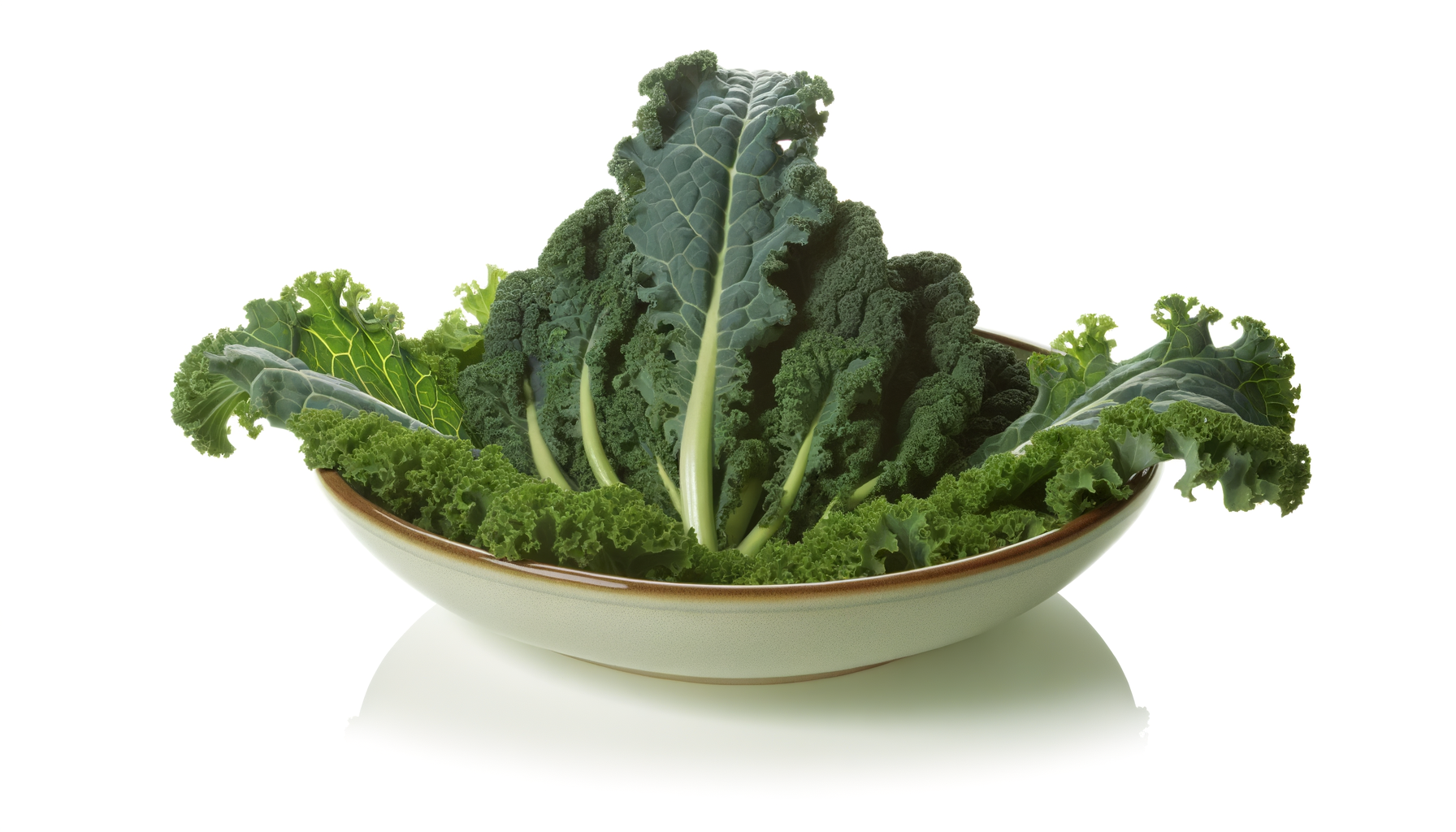
Kale
Brassica oleracea var. sabellica
Sensory Profile
Tastes
Basic flavor profiles
Aromas
Scent characteristics
Stimuli
Sensory sensations
Textures
Physical properties
About Kale
Kale boasts a robust, earthy flavor with a slight bitterness, particularly in its raw form. The leaves can vary in taste depending on the variety; for instance, Lacinato kale (also known as dinosaur kale) has a milder, sweeter profile, while curly kale tends to be more peppery. When cooked, kale becomes tender and its bitterness mellows, often taking on a richer, more savory quality. Kale is a versatile green that can be utilized in a variety of culinary applications. It is commonly used in salads, where it can be massaged with dressing to soften its texture. Kale is also a popular ingredient in soups, stews, and stir-fries, where it adds depth and nutrition. Additionally, it can be sautéed, roasted, or blended into smoothies, and is often featured in health-focused dishes due to its high nutrient content. Kale chips, made by baking the leaves with a drizzle of oil and seasoning, have gained popularity as a nutritious snack. Kale is believed to have originated in the eastern Mediterranean and Asia Minor, with its cultivation dating back to ancient times. It was a staple in the diets of the Romans and has been grown in Europe for centuries. Today, kale is cultivated worldwide, thriving in cooler climates, and is particularly popular in North America and Europe. Kale is characterized by
Associated health effects(14)
- Blood Pressure Support
- Micronutrient Support
- Antioxidant
- Goitrogenic Activity
- Cancer-Preventive
- Liver Support
- Blood Sugar Support
- Liver Detoxification Support
- Vision Protection
- Cholesterol Management
- Weight Management
- Heart Health
- Digestive Aid
- Anti-inflammatory
Nutrition per 100 g(4)
- Energy: 49 kcal
- Protein: 3.3 g
- Fat: 1.5 g
- Fiber: 4 g