
Kava Pepper Sensory Map
Kava Pepper
Piper methysticum
Sensory Profile
Tastes
Basic flavor profiles
Aromas
Scent characteristics
Stimuli
Sensory sensations
Textures
Physical properties
About Kava Pepper
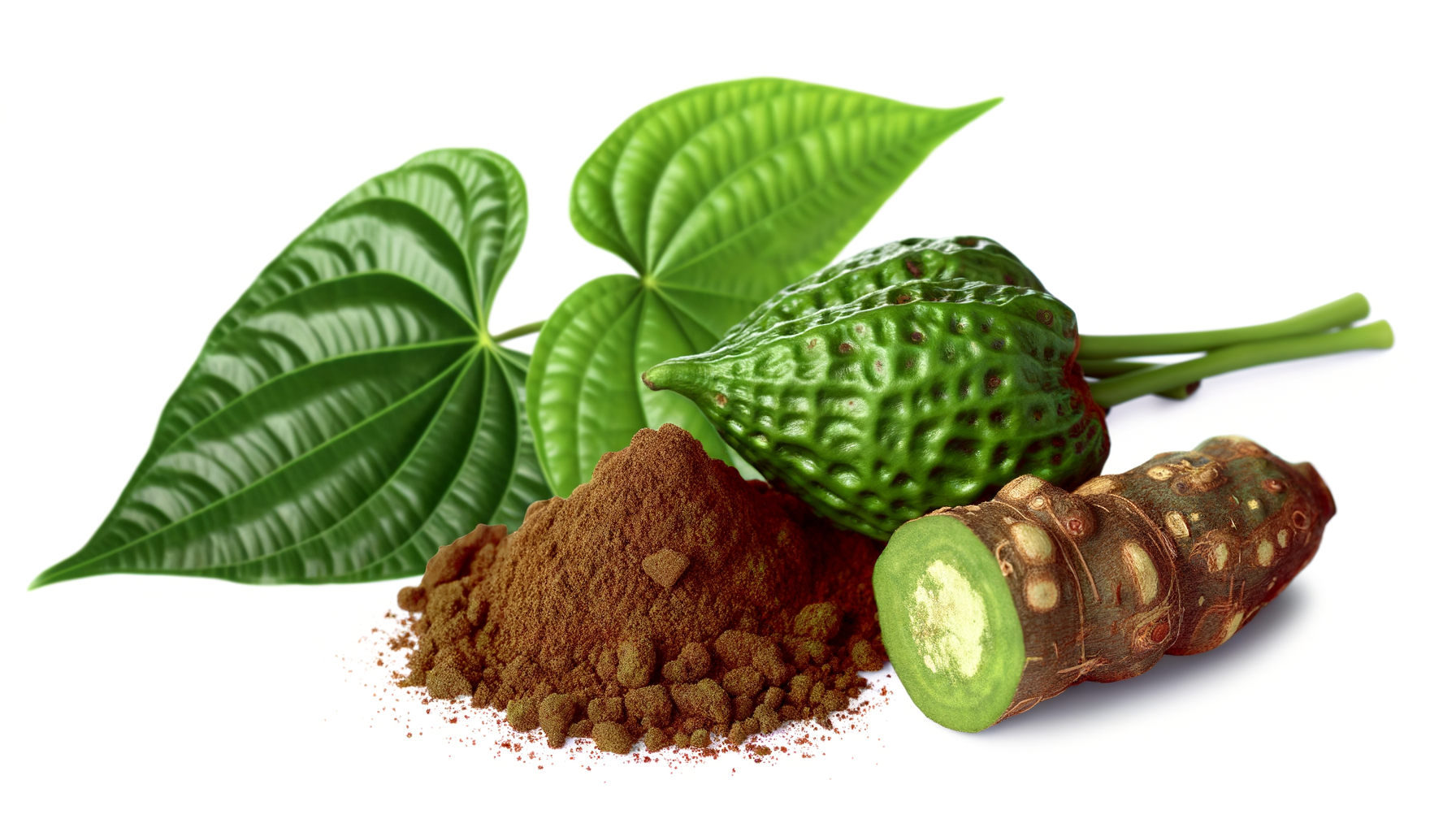
Kava Pepper, (!important: render large green pepper leaves, a rhizome and some brown powder) known for its unique flavor, offers a mild, earthy taste with subtle hints of pepper and a slightly nutty undertone. Its flavor is less pungent than traditional black pepper, making it a versatile addition to various dishes without overpowering other ingredients. Primarily used in traditional Pacific Island cuisine, Kava Pepper is often incorporated into savory dishes, marinades, and sauces. It can be used to season fish, meats, and vegetables, enhancing their natural flavors. Additionally, Kava Pepper is used as the rhizome ground into a powder for use in spice blends or as a finishing touch for dishes, providing a gentle warmth and aromatic complexity. Kava Pepper is native to the South Pacific, particularly the islands of Vanuatu, Fiji, and Tonga. It has been cultivated for centuries, primarily for its roots, which are used to produce the traditional ceremonial beverage known as kava. The plant thrives in tropical climates, requiring rich, well-drained soil and ample rainfall. Kava Pepper is characterized by its large, heart-shaped leaves and small, greenish-white flowers. The plant can grow up to 2 meters tall and is often recognized for its thick, woody stems. Unlike other pepper varieties, Kava Pepper is not primarily cultivated for its fruit but rather for its roots and leaves, which are valued for their psychoactive effects.
Nutrition per 100 g(4)
- Energy: 367 kcal
- Protein: 3 g
- Fat: 1.5 g
- Fiber: 6 g