
Khao Kiep Sensory Map
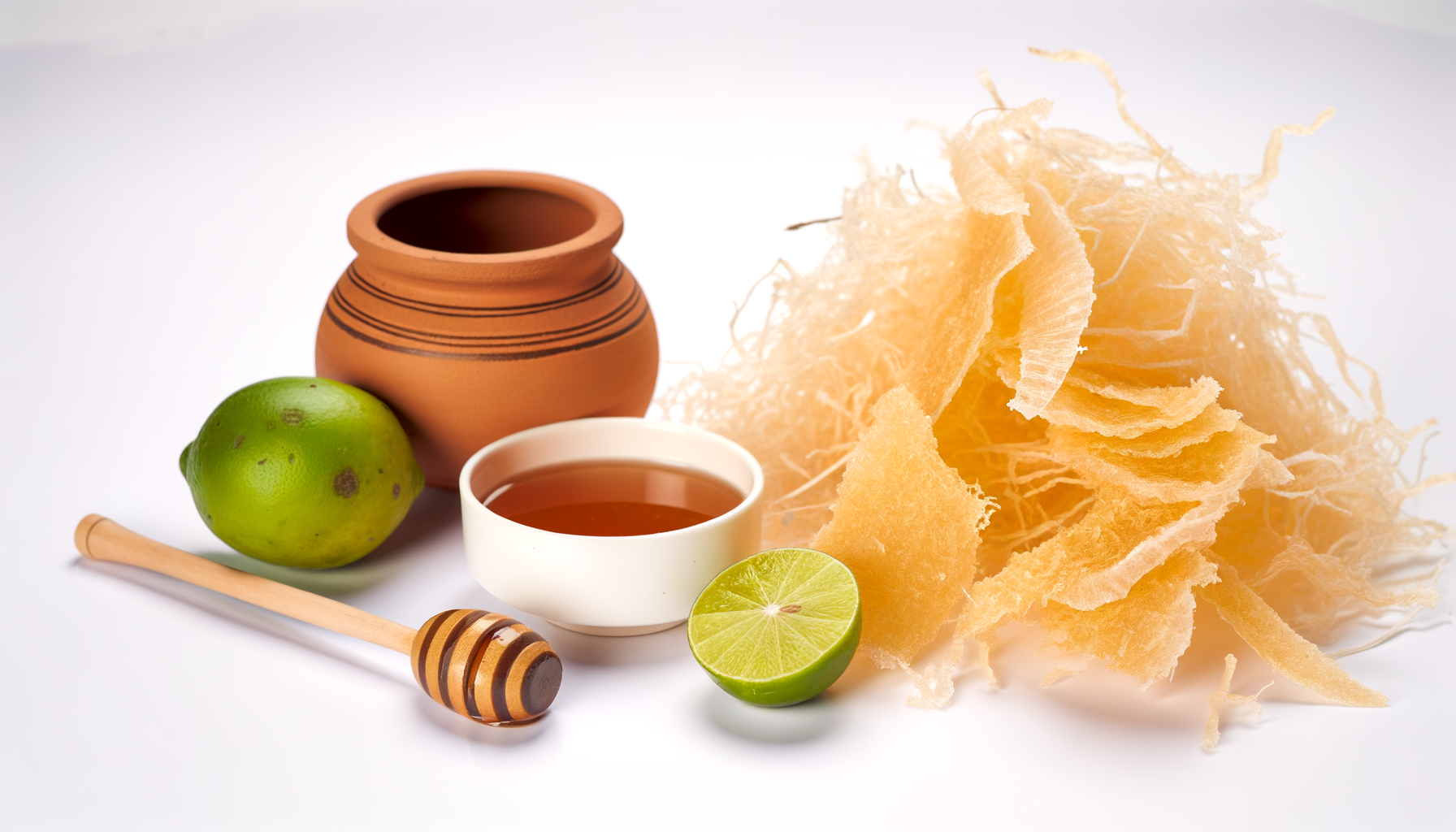
Khao Kiep
Mel apis
Sensory Profile
Tastes
Basic flavor profiles
Aromas
Scent characteristics
Stimuli
Sensory sensations
Textures
Physical properties
About Khao Kiep
Khao Kiep is described in some reports as wild honey from lime trees (or similar citrus plants) sourced from the mountains of Laos or Thailand. It has a citrusy, fresh aroma derived from the nectar collected by wild bees in pristine mountain regions. It is used as a natural sweetener, for example in teas, dressings, marinades, or as a topping for desserts and dishes to add a tangy-sweet note. This honey is often marketed as a "culinary curiosity" or "culinary rarity," particularly by food explorers like Mark Brownstein (a "Foodhunter"), who brings such products from remote regions of Asia to the West. He collects and promotes items like this honey to introduce them to upscale restaurants or as gourmet products. The focus is on sustainability, wild harvesting, and preserving traditional harvesting methods in Laos/Thailand, where bees live in natural forests—similar to other wild honeys from the region (e.g., from mountain blossoms or giant bees). As a sweetener in Lao-Thai cuisine, it enhances dishes or imparts a natural acidity. It is rare and often expensive due to being hand-harvested. In modern contexts, it appears in fusion cuisine, such as in lime-chili salad dressings or as a glaze for grilled meat. Khao Kiep is also associated with crispy cassava chips (Cassava Crisps) from Laos, which serve as a snack or side dish. These are made from grated cassava dough, dried, and fried, often flavored with spices like sesame, ginger, or lemongrass. Historically, they served as "hunger food" during times of scarcity to stretch meals and symbolize resilience in Laotian culture. The name "Khao Kiep" (or variants like "Khao Kriap/Kiep") derives from "Khao" (rice or starchy) and "Kiep/Kriap" (crisp or wafer-like). In some sources, it is explicitly referred to as cassava crisps, such as in studies on traditional "hunger foods" in Southeast Asia. This aligns with similar products like "Khao Kriap Wow" (sweet rice waffles) or tapioca chips (also made from cassava). It is likely that these are two distinct products with phonetically similar names. The honey is a modern "discovery" or niche product from wild harvesting, hyped as a "curiosity" in culinary circles. The chip version is more traditional and rooted in the everyday cuisine of Laos/Thailand. It could also be a misspelling or regional variation: in Laos/Thailand, names vary by dialect (e.g., "Khao" for starch-based products but also metaphorically for natural sweeteners).
Associated health effects(11)
- Appetite Stimulant
- Cardiovascular Protection
- Antioxidant
- Allergic Reactions
- Nutritional Advantages
- Digestive Irritation
- Interaction with Medications
- Antibacterial
- Antiviral
- Digestive Aid
- Anti-inflammatory
Nutrition per 100 g(4)
- Energy: 328 kcal
- Protein: 0.3 g
- Fat: 0.1 g
- Fiber: 0 g