
Kimchi Sensory Map
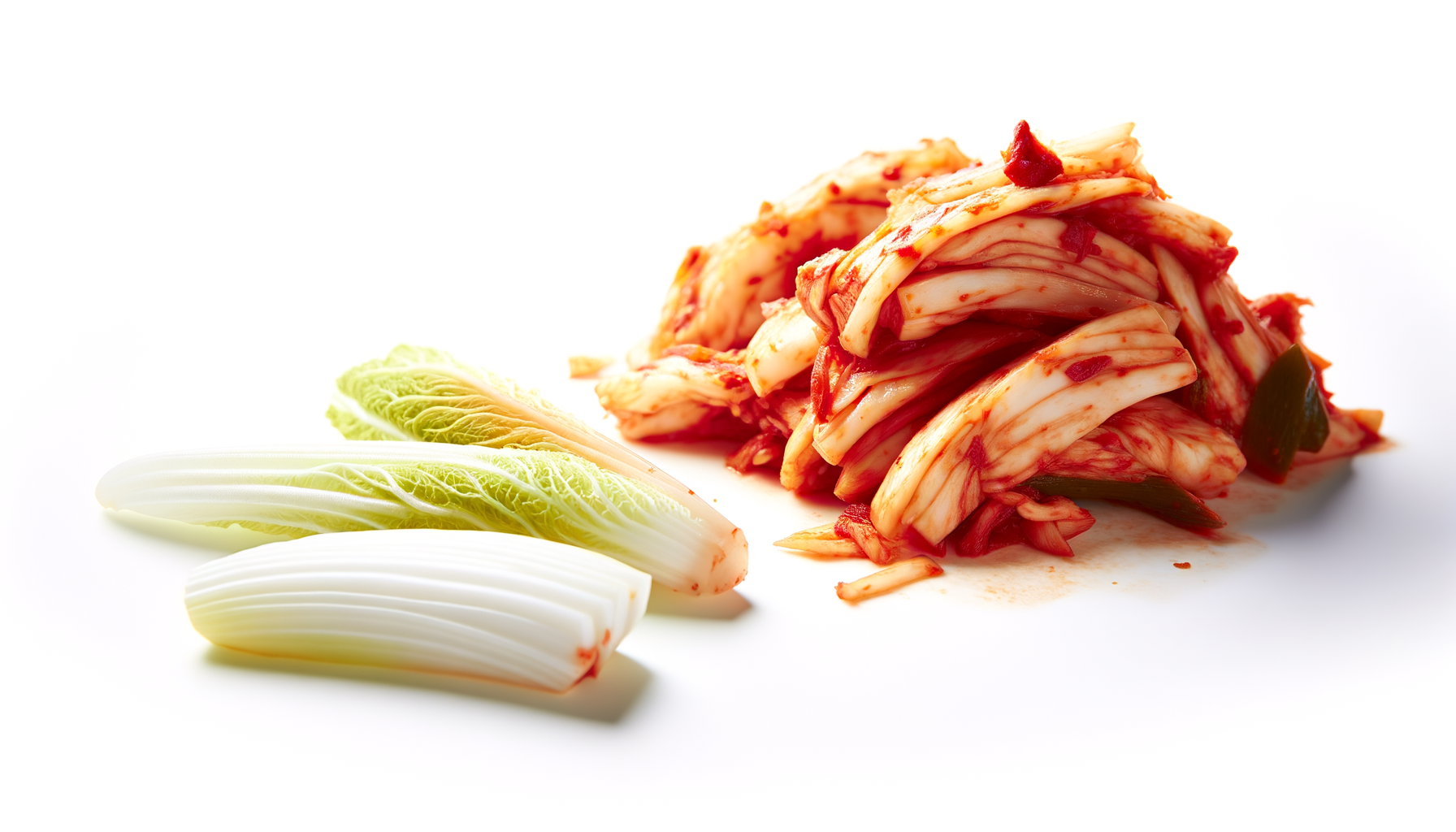
Kimchi
Brassica rapa subsp. pekinensis
Sensory Profile
Tastes
Basic flavor profiles
Aromas
Scent characteristics
Stimuli
Sensory sensations
Textures
Physical properties
About Kimchi
Kimchi is renowned for its complex flavor profile, characterized by a harmonious balance of spiciness, tanginess, and umami. The fermentation process enhances its depth, imparting a savory richness that can range from mildly sour to intensely pungent, depending on the fermentation duration and ingredients used. The addition of garlic, ginger, and chili peppers contributes layers of heat and aromatic qualities, while the natural sweetness of the napa cabbage rounds out the flavor. Kimchi is a versatile condiment and side dish in Korean cuisine, often served with rice, grilled meats, or as part of a banchan (small side dishes). It can also be incorporated into a variety of dishes, such as stews (kimchi jjigae), fried rice (kimchi bokkeumbap), and pancakes (kimchi jeon). Beyond traditional uses, kimchi has gained popularity in fusion cuisine, appearing in tacos, burgers, and even as a topping for pizzas, showcasing its adaptability. Kimchi has its roots in ancient Korea, with references dating back over 2,000 years. Originally, it was a method of preserving vegetables through fermentation, a necessity for surviving harsh winters. Over centuries, the recipe evolved, incorporating various ingredients and spices, leading to the diverse array of kimchi varieties enjoyed today.
Associated health effects(15)
- Micronutrient Support
- Antioxidant
- Allergic Reactions
- Cancer-Preventive
- Probiotic Support
- Immune Booster
- Digestive Irritation
- Flavor and Culinary Use
- Foodborne Illness Risk
- Cholesterol Management
- Weight Management
- Antibacterial
- Sodium Overload
- Digestive Aid
- Anti-inflammatory
Nutrition per 100 g(4)
- Energy: 25 kcal
- Protein: 2 g
- Fat: 1 g
- Fiber: 2 g