
Kiwi Sensory Map
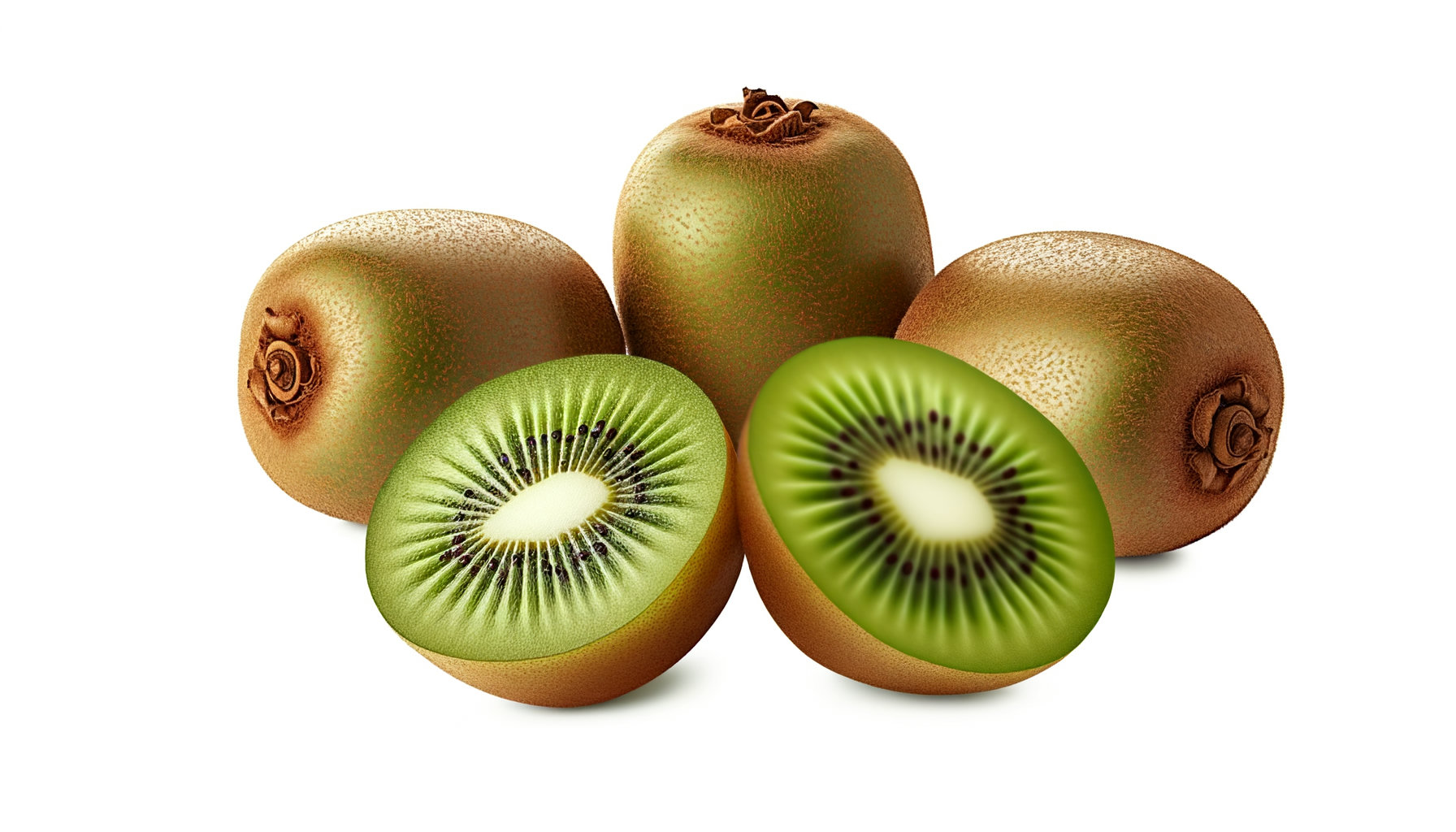
Kiwi
Actinidia deliciosa
Sensory Profile
Tastes
Basic flavor profiles
Aromas
Scent characteristics
Stimuli
Sensory sensations
Textures
Physical properties
About Kiwi
Kiwi (Actinidia deliciosa) is a vibrant, green fruit renowned for its unique balance of sweet and tangy flavors, often described as a fusion of strawberry and pineapple with a hint of citrus. Its aromatic profile is characterized by a fresh, slightly floral scent, while the texture is both juicy and slightly granular due to its tiny, edible black seeds, providing a delightful contrast in mouthfeel. In culinary applications, kiwi shines in dishes such as the classic Pavlova, where its acidity complements the sweetness of meringue and whipped cream, enhancing the overall flavor profile through a harmonious balance of tartness and sweetness. Additionally, in a refreshing kiwi salsa, the fruit's natural enzymes, particularly actinidin, tenderize proteins, making it an excellent accompaniment to grilled fish or chicken, while also adding a vibrant pop of color and flavor. Originating from the mountainous regions of China, kiwi has become a staple in various cuisines, particularly in New Zealand and Italy, where it is celebrated for its nutritional benefits and versatility. Traditional production methods often involve careful hand-pollination and harvesting to ensure optimal ripeness, as the fruit does not ripen well off the vine. What sets kiwi apart is its high vitamin C content and the presence of unique enzymes that can break down proteins, making it a valuable ingredient in marinades and fruit salads. This chemical characteristic not only enhances flavor but also contributes to the fruit's ability to act as a natural meat tenderizer, showcasing its multifaceted role in both sweet and savory culinary creations.
Associated health effects(30)
- Vitamin C Source
- Blood Pressure Support
- Micronutrient Density
- Constipation Relief
- Potential Allergenic Reactions
- Antioxidant
- Allergic Reactions
- Sleep Quality Enhancement
- Blood Pressure Reduction
- IBS Symptom Relief
- HDL Cholesterol Elevation
- Blood Sugar Support
- Immune Booster
- Sleep Quality Improvement
- Iron Content Support
- Hepatoprotection
- Dietary Fiber
- Prebiotic Fiber-Mediated Gut Microbiota Improvement
- Cholesterol Management
- Antiscorbutic Activity
- Osmotic Laxative Activity
- LDL Cholesterol Reduction
- Antibacterial
- Triglyceride Reduction
- Actinidin-Mediated Protein Digestibility Enhancement
- Lipid Metabolism Support
- Digestive Aid
- Lutein and Zeaxanthin Support
- Anticancer Potential
- Anti-inflammatory
Nutrition per 100 g(4)
- Energy: 61 kcal
- Protein: 0.8 g
- Fat: 0.6 g
- Fiber: 3 g