
Kombu Sensory Map
Kombu
Saccharina japonica
Sensory Profile
Tastes
Basic flavor profiles
Aromas
Scent characteristics
Stimuli
Sensory sensations
Textures
Physical properties
About Kombu
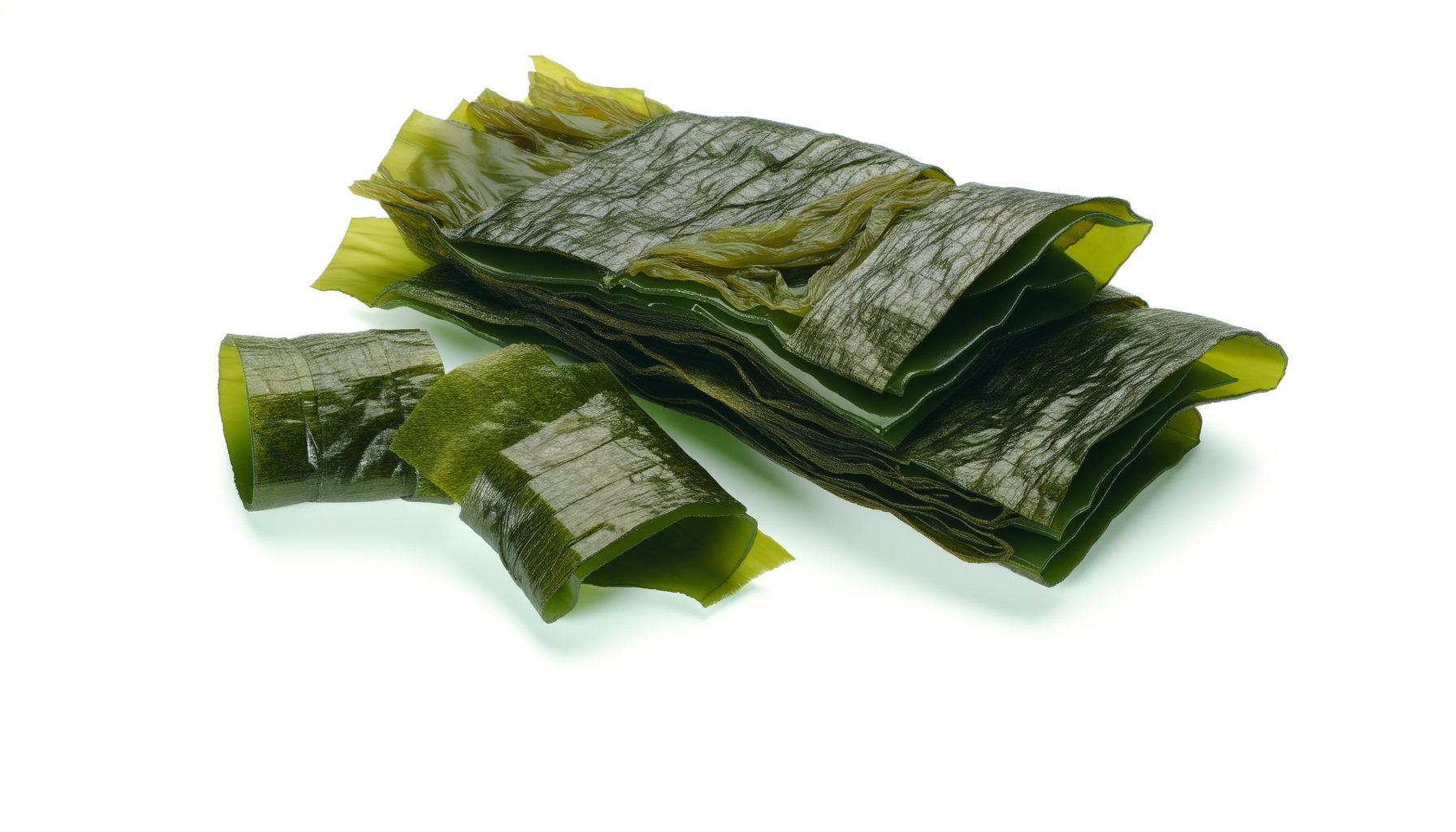
Kombu (Saccharina japonica) is a prized edible seaweed belonging to the Laminariaceae family, renowned for its deep umami flavor profile and rich, oceanic aroma reminiscent of briny sea breezes and subtle hints of sweetness. Its texture is firm yet pliable, allowing it to rehydrate beautifully when cooked, which enhances its ability to impart flavor to broths and stocks. In culinary applications, kombu is a foundational ingredient in traditional Japanese dashi, where it serves as a natural source of glutamic acid, enhancing the savory depth of the broth while also providing a silky mouthfeel. Additionally, it plays a crucial role in dishes like kombu tsukudani, where it is simmered in soy sauce and mirin, allowing the kombu to absorb the flavors while softening to a tender consistency, making it an ideal accompaniment to rice. Originating from the coastal waters of Japan, Korea, and China, kombu holds significant cultural importance, particularly in Japanese cuisine, where it has been harvested for centuries using sustainable methods such as hand-harvesting and sun-drying. This traditional approach not only preserves the delicate flavors but also ensures the seaweed retains its nutritional benefits, including high levels of iodine, vitamins, and minerals. What sets kombu apart is its unique ability to enhance the flavor of other ingredients through its natural glutamates, which act synergistically with proteins during cooking, leading to the Maillard reaction that develops complex flavors. Furthermore, kombu can be aged to deepen its umami characteristics, making it an essential ingredient for chefs seeking to elevate their dishes with a profound, oceanic essence.
Associated health effects(30)
- Micronutrient Density
- Anti-arthritic
- Antioxidant
- Cardiovascular Health
- Short-Chain Fatty Acid Production
- Gut Microbiota Modulation
- Sodium Content
- Heavy Metal Accumulation from Edible Seaweeds
- Antihypertensive
- Iodine Excess-Induced Thyroid Dysfunction
- Immune Modulation
- Prebiotic Polysaccharide Support
- Mineral Content
- Polysaccharide Immune Modulation
- Dietary Fiber
- Prebiotic Fiber-Mediated Gut Microbiota Improvement
- Bone Health
- Anemia Prevention
- Metabolism Booster
- Weight Management
- Adiponectin Elevation
- Iodine Excess Risk
- Iodine Provision
- Bioactive Peptide Support
- Thyroid Homeostasis Support
- Lipid Metabolism Support
- Weight Management and Metabolic Health
- Digestive Health
- Anticancer Potential
- Anti-inflammatory
Nutrition per 100 g(4)
- Energy: 50 kcal
- Protein: 5 g
- Fat: 0.5 g
- Fiber: 3 g