
Kosher Salt Sensory Map
Kosher Salt
Sal kosher
Sensory Profile
Tastes
Basic flavor profiles
Aromas
Scent characteristics
Stimuli
Sensory sensations
Textures
Physical properties
About Kosher Salt
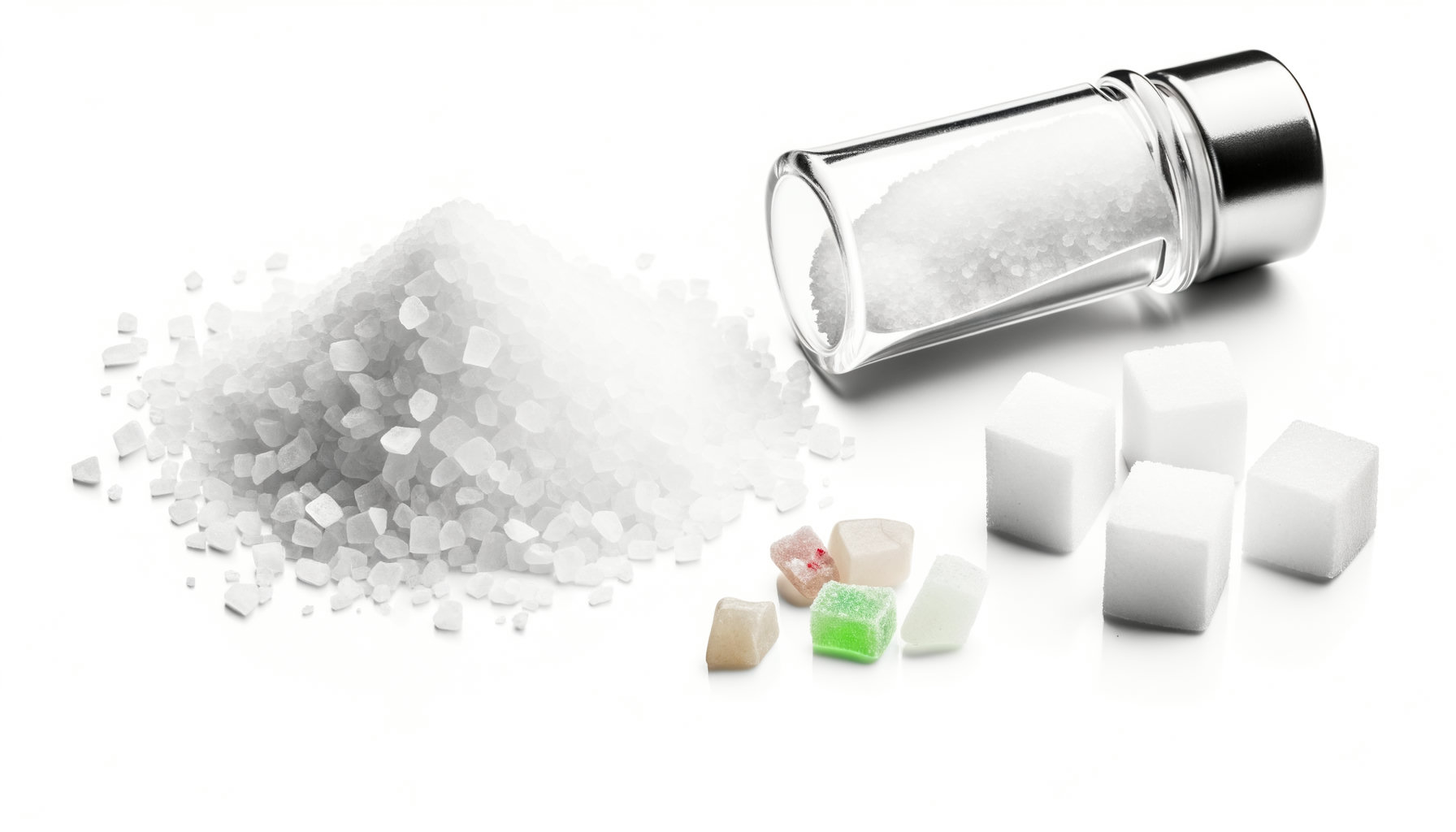
Kosher Salt (Sal kosher) is a coarse-grained salt renowned for its clean, mild flavor and subtle crunch, making it a staple in both professional kitchens and home cooking. Its texture is characterized by large, flaky crystals that dissolve easily, allowing for precise seasoning control without overwhelming dishes. The aroma is distinctly mineral, with a hint of brininess that evokes the sea, enhancing the sensory experience of any dish it graces. In culinary applications, kosher salt shines particularly in the preparation of classic dishes such as brisket, where its ability to draw moisture from meat enhances the brining process, resulting in tender, flavorful cuts. It is also essential in the art of pickling, where its larger crystals facilitate even distribution and absorption of flavor, promoting the fermentation process. Additionally, kosher salt is favored in baking, where it plays a crucial role in balancing sweetness and enhancing the overall flavor profile of breads and pastries. Originating from the practice of koshering meat in Jewish culinary traditions, kosher salt is typically harvested from evaporated seawater or mined from salt deposits, with its production often involving minimal processing to retain its natural mineral content. This connection to cultural practices underscores its significance in various regional cuisines, particularly in Eastern European and Mediterranean cooking. What sets kosher salt apart is its unique crystal structure, which allows for easy pinching and sprinkling, making it an ideal choice for chefs who rely on tactile seasoning methods. Unlike finer salts, its larger grains do not dissolve as quickly, providing a burst of flavor that can enhance the texture of dishes, making it an indispensable ingredient in the culinary arsenal.
Associated health effects(16)
- Calcium Loss
- Iodine Deficiency Risk
- Hypertension
- Dose-Dependent Effects
- Cardiovascular Risk
- Sodium Deficiency Prevention
- Sodium Content
- Bloating, fluid retention
- No Unique Nutritional Advantage
- Flavor and Culinary Use
- Electrolyte Balance Support
- Dehydration
- Larger Crystal Size Sodium Reduction
- Blood Pressure Elevation
- Salt Sensitivity
- Sodium Overload
Nutrition per 100 g(4)
- Energy: 0 kcal
- Protein: 0 g
- Fat: 0 g
- Fiber: 0 g