
Lamb Sensory Map
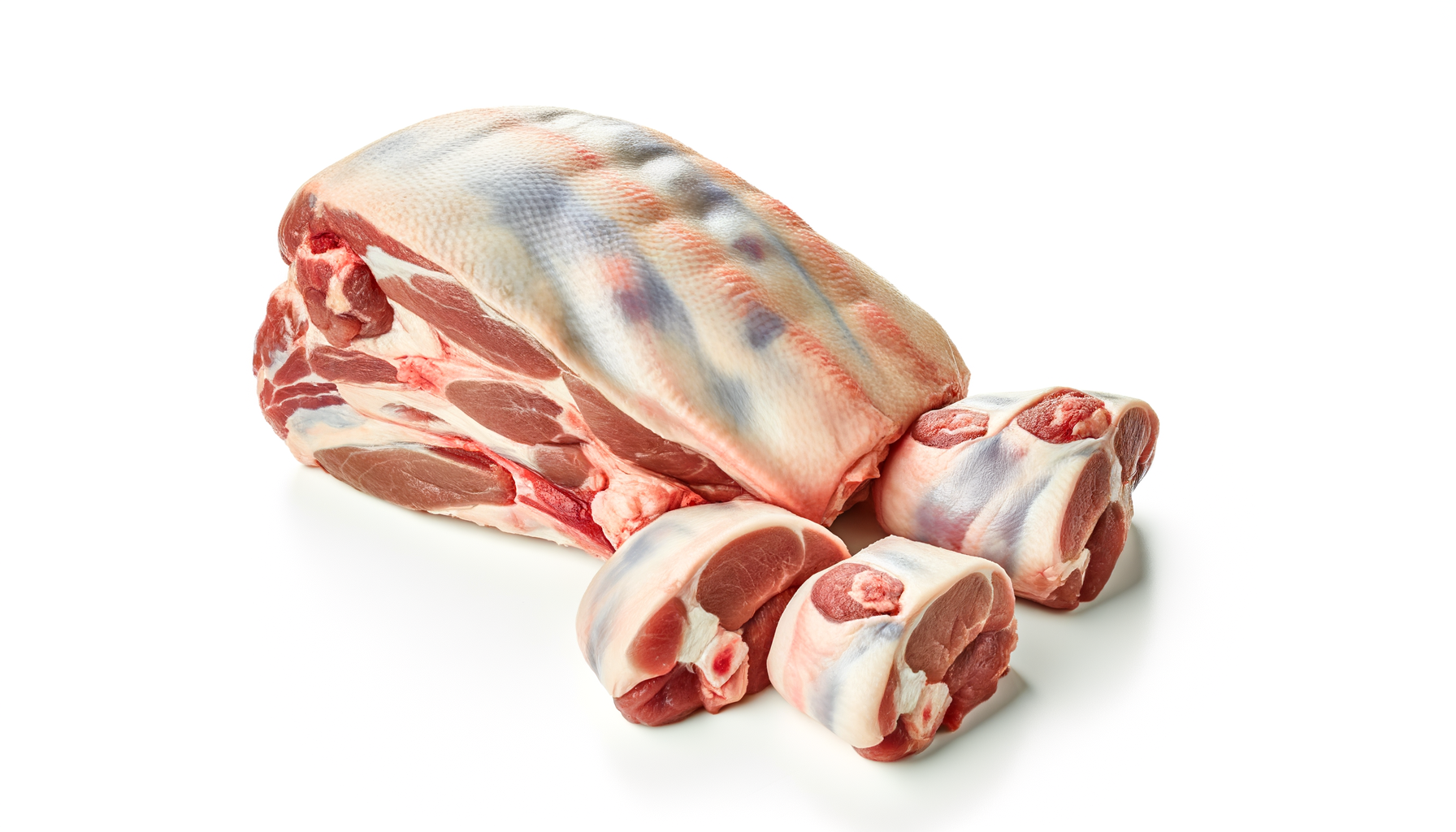
Lamb
Agnus
Sensory Profile
Tastes
Basic flavor profiles
Aromas
Scent characteristics
Stimuli
Sensory sensations
Textures
Physical properties
About Lamb
Lamb is renowned for its rich, succulent flavor that is both tender and slightly gamey, with a natural sweetness that distinguishes it from other meats. The flavor can vary significantly depending on the age of the lamb; younger lamb (often referred to as spring lamb) tends to have a milder taste, while older lamb can exhibit a more pronounced, robust flavor. Lamb is a versatile meat that can be prepared in numerous ways, including roasting, grilling, braising, and stewing. It is commonly used in Mediterranean, Middle Eastern, and Indian cuisines. Popular dishes include lamb chops, leg of lamb, lamb curry, and kebabs. Its flavor pairs well with a variety of herbs and spices, such as rosemary, mint, garlic, and cumin, enhancing its natural taste. Lamb comes from domesticated sheep, primarily of the species Ovis aries, and has been a staple in human diets for thousands of years. Its origins trace back to the Fertile Crescent, where sheep were first domesticated. Today, lamb is produced in many countries, with significant contributions from New Zealand, Australia, and the Mediterranean region. Lamb is characterized by its tender texture, which is attributed to the animal's young age at slaughter. The meat is typically pale pink to red, with a fine grain and a layer of fat that adds
Associated health effects(51)
- Zinc
- Micronutrient Support
- Micronutrient Density
- Heme Iron Source
- Selenium Status Improvement
- Purine Content
- Cardiovascular Health
- Dose-Dependent Effects
- Beta-Alanine and Carnosine Support
- Vitamin B12 Nervous System Support
- Processed Meat Dose-Dependent Risk
- Saturated Fat and Cholesterol
- Cardiovascular Risk
- LDL and Total Cholesterol Elevation
- Cancer Risk
- Riboflavin
- Taurine Content Support
- Immune Booster
- Immune Modulation
- Muscle Protein Support
- Mood Enhancement
- Foodborne Illness Risk
- Anti-obesity Activity
- Iron Content Support
- Iron Overload
- Mineral Content
- High Saturated Fat Content
- Monounsaturated Fatty Acid Support
- Obesity and Weight Gain
- Bone Health
- Caloric Excess
- Nutrient-Dense Protein Support
- Anemia Prevention
- Muscle Protein Synthesis Enhancement
- Conjugated Linoleic Acid Support
- Protein Content
- Metabolism Booster
- Niacin
- Colorectal Cancer Risk
- Ruminant Trans Fat-Induced HDL Cholesterol Reduction
- Weight Management
- Anti-fatigue and Improved Physical Performance
- B Vitamin Nervous System Support
- Muscle Mass Preservation
- Vitamin B6 Nervous System Support
- Lean Red Meat Low-Fat Protein Support
- Complete Protein Support
- Heart Health
- Lipid Metabolism Support
- Anti-inflammatory
- Complete Protein Profile
Nutrition per 100 g(4)
- Energy: 294 kcal
- Protein: 25 g
- Fat: 21 g
- Fiber: 0 g