
Lavender Sensory Map
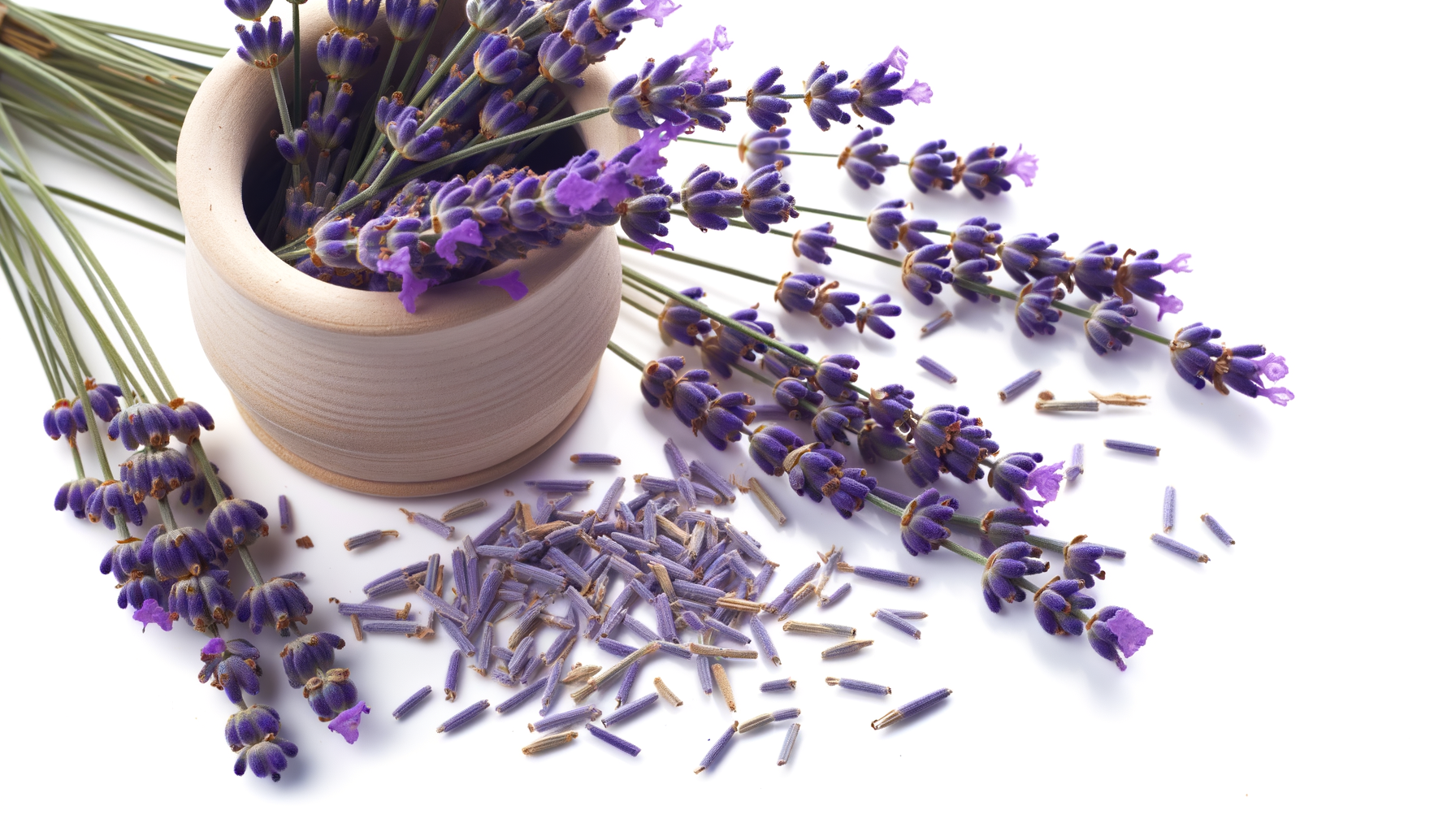
Lavender
Lavandula angustifolia
Sensory Profile
Tastes
Basic flavor profiles
Aromas
Scent characteristics
Stimuli
Sensory sensations
Textures
Physical properties
About Lavender
Lavender offers a unique floral and herbaceous flavor with subtle notes of mint and citrus. Its aromatic qualities are both sweet and slightly camphorous, making it a distinctive addition to both sweet and savory dishes. Primarily known for its use in desserts, lavender is a popular ingredient in baked goods such as cookies, cakes, and pastries, where it imparts a fragrant sweetness. It is also used in herbal teas, syrups, and jellies. In savory applications, lavender can enhance roasted meats, particularly lamb and poultry, and is often included in herb blends like Herbes de Provence. Its essential oil is sometimes used to flavor oils and vinegars. Lavender is native to the Mediterranean region, particularly in southern France, where it thrives in the warm, dry climate. It has been cultivated since ancient times for its aromatic properties and medicinal uses, with historical references dating back to the Romans, who used it in baths and for its calming effects. Lavender is easily recognizable by its slender, green stems and vibrant purple flowers, which are harvested for culinary and aromatic purposes. The flowers are typically dried to preserve their flavor and fragrance. Beyond culinary uses, lavender is celebrated for its calming properties and is frequently found in aromatherapy and natural skincare products. Its versatility and unique flavor profile make it a cherished spice in both culinary
Associated health effects(51)
- Safety and Toxicity
- Menstrual Pain Relief
- Menstrual Support
- Anxiety Relief
- Mild Aromatic Relaxation Support
- Drug Interactions
- GABAergic Modulation
- Dose-Dependent Sedative Activity
- Dementia Risk Reduction
- Sedative and Calming Effects
- Antioxidant
- Allergic Reactions
- Dose-Dependent Effects
- Mild Carminative Activity
- Toxicity and Safety
- Aromatherapeutic Sedative Activity
- Sleep Quality Enhancement
- Analgesic Activity
- Headache Trigger
- Anti-anxiety Effects
- Nutritional Advantages
- Wound Healing
- Cancer-Preventive
- Pain Relief
- Sleep Support
- Digestive Spasm Relief
- Culinary Lavender-Linked Sensory Relaxation
- Aromatherapeutic Tranquilizing Activity
- Sleep Quality Improvement
- Digestive Irritation
- Mood Enhancement
- Migraine Relief via Aromatherapeutic Inhalation
- Allergic Reaction Risk
- Anxiety Relief via GABAergic Modulation
- Gastrointestinal Discomfort
- Digestive Relief via Carminative Action
- Acute Oral Toxicity
- Stress Relief
- Digestive Upset
- Potential Toxicity/Sedation
- Anxiolytic Activity
- Essential Oil Oral Toxicity
- Gastrointestinal Distress
- Low-Calorie Flavor Support
- Mild Sedative Activity
- Digestive Aid
- Digestive Health
- Anti-inflammatory
- Sedative Activity
- Carminative
- Hormonal Modulation
Nutrition per 100 g(4)
- Energy: 122 kcal
- Protein: 3 g
- Fat: 1 g
- Fiber: 14 g