
Lecithin Sensory Map
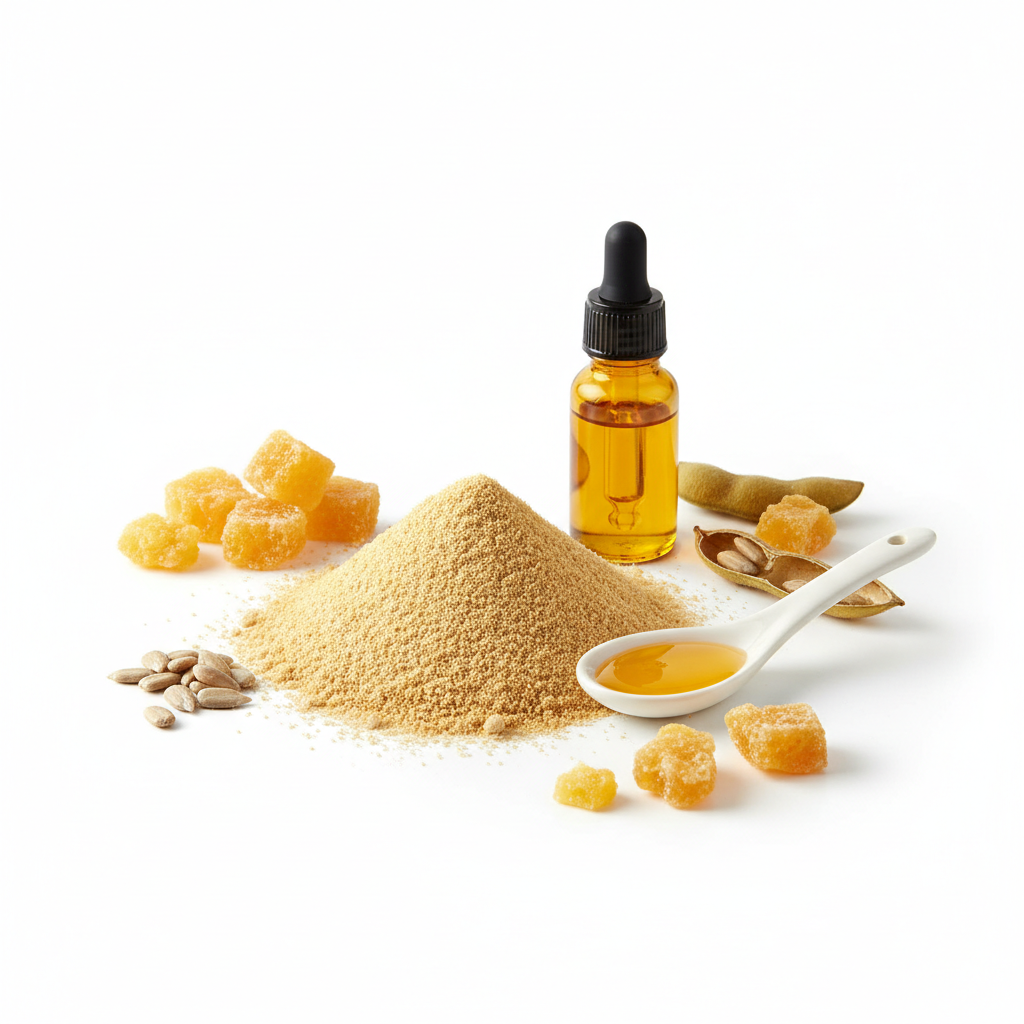
Lecithin
Lecithinum
Sensory Profile
Tastes
Basic flavor profiles
Aromas
Scent characteristics
Stimuli
Sensory sensations
Textures
Physical properties
About Lecithin
Lecithin (E322, green label = safe) is a vital phospholipid surfactant primarily derived from the cellular membranes of soybeans, sunflower seeds, or egg yolks, characterized by a neutral to slightly nutty flavor profile and a viscous, waxy texture that ranges from a golden liquid to a fine, hygroscopic powder. In the professional kitchen, it serves as a powerful emulsifier by bridging the gap between polar water molecules and non-polar lipids, a property essential for stabilizing the delicate aeration in a **Traditional Hollandaise** or creating the ethereal, long-lasting "airs" and foams popularized in **Modernist Gastronomy**. Beyond simple stabilization, lecithin prevents staling in **Enriched Brioche** by interfering with amylopectin retrogradation, ensuring a tender crumb and extended shelf life through its ability to distribute fats evenly throughout the gluten network. While historically extracted through the mechanical pressing and water-degumming of oilseeds in temperate climates, its culinary significance is defined by its amphiphilic nature, which allows chefs to manipulate surface tension to create textures that would otherwise collapse under their own weight. This unique chemical duality makes lecithin indispensable for achieving precise viscosity control and fat-bloom prevention in high-quality chocolate tempering, distinguishing it as a technical cornerstone for both the pastry arts and structural savory applications.
Associated health effects(9)
- Blood Cholesterol Reduction
- Choline Deficiency Prevention
- Blood Sugar Regulation
- Hepatoprotection
- Plugged Duct Relief
- Blood Lipid Profile Improvement
- Choline Content Support
- Digestive Aid
- Cognitive Support
Nutrition per 100 g(4)
- Energy: 900 kcal
- Protein: 0 g
- Fat: 100 g
- Fiber: 0 g