
Leek Sensory Map
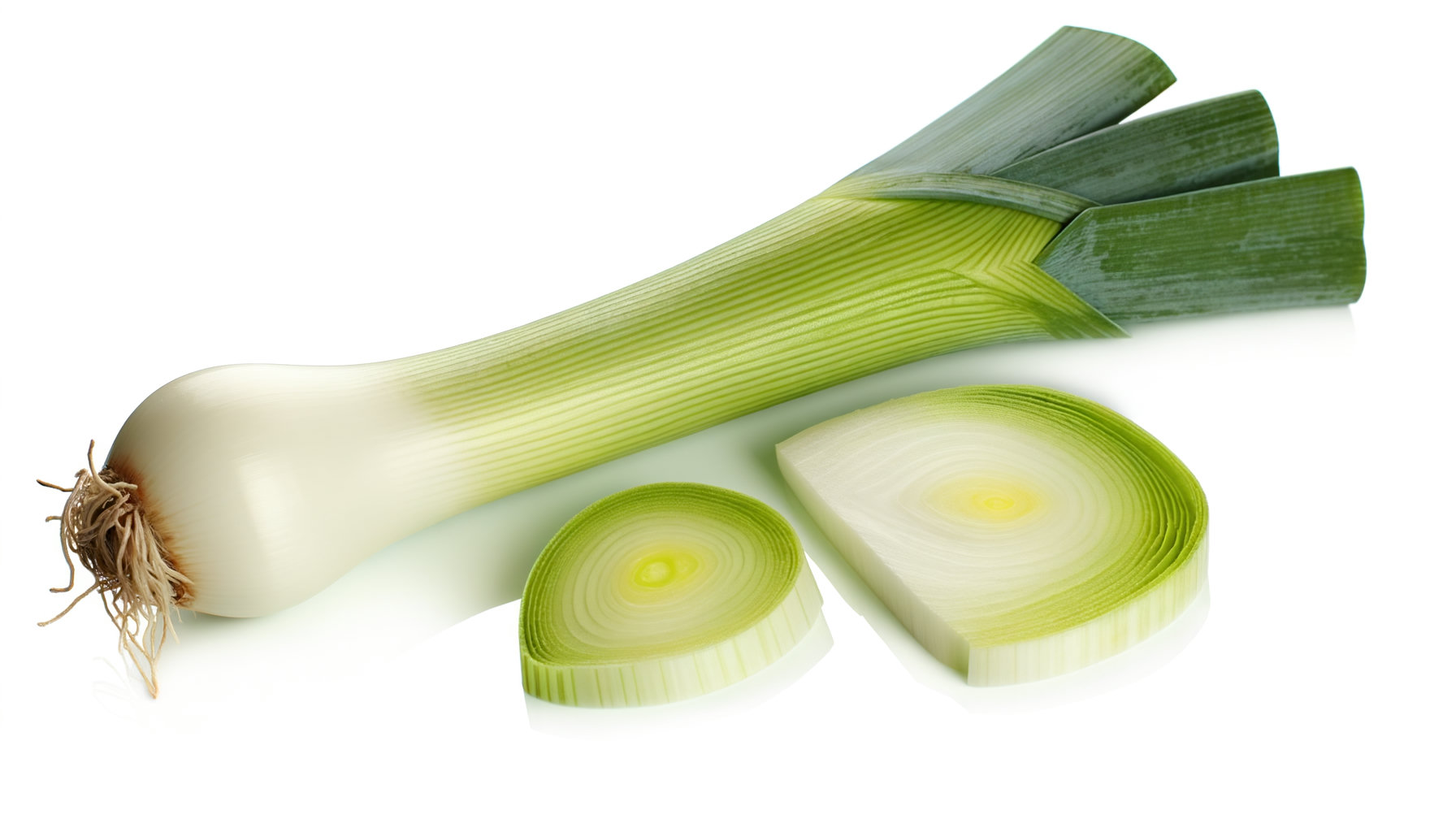
Leek
Allium ampeloprasum
Sensory Profile
Tastes
Basic flavor profiles
Aromas
Scent characteristics
Stimuli
Sensory sensations
Textures
Physical properties
About Leek
Leek (Allium ampeloprasum) is a member of the Allium family, distinguished by its mild, sweet flavor profile that combines subtle onion and garlic notes with a hint of earthiness. The aroma is fresh and slightly grassy, reminiscent of springtime, while its texture is tender yet firm, allowing it to maintain structure when cooked. In culinary applications, leeks shine in classic dishes such as Vichyssoise, where their delicate sweetness enhances the creamy potato soup, and in the French dish Potée, where they impart a gentle flavor to the hearty stew, complementing the richness of meats and root vegetables through their natural sugars and moisture content. Originating from the Mediterranean region, leeks have been cultivated since antiquity, holding cultural significance in various cuisines, particularly in French and British cooking, where they are often featured in rustic fare. What sets leeks apart is their unique ability to caramelize beautifully when sautéed, developing a rich, complex sweetness due to the Maillard reaction, and their high water content, which allows them to act as a natural thickener in soups and sauces, enhancing both texture and flavor without overwhelming other ingredients.
Associated health effects(24)
- Micronutrient Density
- Cardiovascular Protection
- Antiplatelet Activity
- Antioxidant
- Cardiovascular Health
- Short-Chain Fatty Acid Production
- Blood Pressure Reduction
- Blood Sugar Support
- Vitamin K Source
- Blood Sugar Regulation
- Vision Protection
- Dietary Fiber
- Prebiotic Fiber-Mediated Gut Microbiota Improvement
- Bone Health
- Cholesterol Management
- Kaempferol-Mediated Vasodilation
- Anti-aging Activity
- LDL Cholesterol Reduction
- Heart Health
- Colorectal Cancer Risk Reduction
- Eye Health
- Lutein and Zeaxanthin Support
- Digestive Health
- Anti-inflammatory
Nutrition per 100 g(4)
- Energy: 61 kcal
- Protein: 1.5 g
- Fat: 0.3 g
- Fiber: 1.8 g