
Lemon Balm Sensory Map
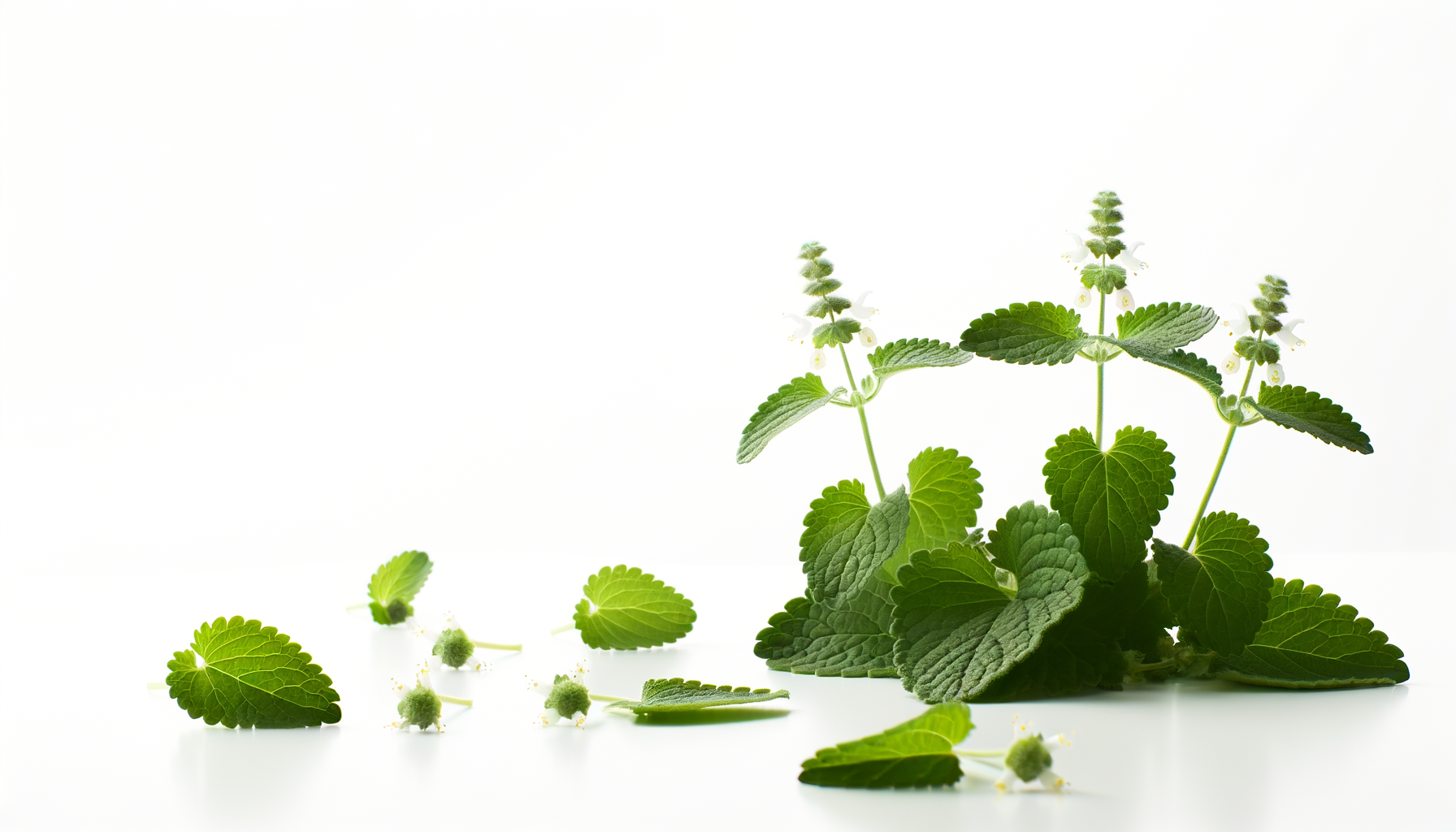
Lemon Balm
Melissa officinalis
Sensory Profile
Tastes
Basic flavor profiles
Aromas
Scent characteristics
Stimuli
Sensory sensations
Textures
Physical properties
About Lemon Balm
Lemon balm boasts a fresh, citrusy flavor reminiscent of lemon zest, with subtle herbal undertones. Its bright, uplifting aroma and mild sweetness make it a delightful addition to both sweet and savory dishes. This versatile herb is commonly used in teas, where it imparts a refreshing lemony taste. It complements fruit salads, desserts, and marinades, enhancing dishes with its aromatic qualities. Lemon balm can also be used in savory applications, such as in salads, sauces, and as a garnish for seafood and poultry. Additionally, it pairs well with other herbs like mint and basil. Lemon balm is native to Europe, particularly the Mediterranean region, but has since spread to various parts of the world. It has been cultivated since ancient times, valued not only for its culinary uses but also for its medicinal properties. Belonging to the Lamiaceae family, lemon balm features broad, oval leaves with a smooth texture and serrated edges. The leaves are bright green and emit a strong lemon scent when crushed. The plant produces small white or pale yellow flowers, which attract pollinators. Lemon balm is a hardy perennial that thrives in well-drained soil and prefers full sun to partial shade, making it a popular choice for herb gardens. Its calming properties have also made it a staple in herbal medicine, often used to alleviate stress.
Associated health effects(50)
- Safety and Toxicity
- Anxiety Relief
- Rosmarinic Acid-Mediated ACE2 Modulation
- Rosmarinic Acid-Mediated Antiviral Activity
- Drug Interactions
- Thyroid Function Inhibition
- GABAergic Modulation
- Dose-Dependent Sedative Activity
- Pregnancy/nursing contraindication
- Cardiovascular Protection
- Antioxidant
- Allergic Reactions
- Dose-Dependent Effects
- Rosmarinic Acid-Mediated Anti-inflammatory Activity
- Toxicity and Safety
- Sleep Quality Enhancement
- Cholinesterase Inhibition
- Anti-anxiety Effects
- Depression Relief
- Antiviral Activity (Herpes Simplex)
- Cognitive Performance Enhancement
- Serotonin Modulation
- Topical Antiviral Activity
- Digestive Spasm Relief
- Antispasmodic Activity
- Immune Modulation
- Polyphenol-Mediated Antioxidant Activity
- Sleep Quality Improvement
- Mood Enhancement
- Mood and Sleep Quality Enhancement
- No Evidence of Toxicity, Heavy Metals, or Contaminants
- At-Risk Populations
- Allergic Reaction Risk
- Mild side effects
- Anxiety Relief via GABAergic Modulation
- Cognitive Function Enhancement
- Digestive Distress
- Digestive Relief via Carminative Action
- Stress Relief
- Muscle Cramp Relief
- Rosmarinic Acid-Mediated GABA Modulation
- MAO Inhibition
- Anxiolytic Activity
- Neuroprotection
- Antiviral
- Digestive Aid
- Anti-inflammatory
- Sedative Activity
- Carminative
- Cognitive Support
Nutrition per 100 g(4)
- Energy: 31 kcal
- Protein: 3 g
- Fat: 0.3 g
- Fiber: 2 g