
Lemon Thyme Sensory Map
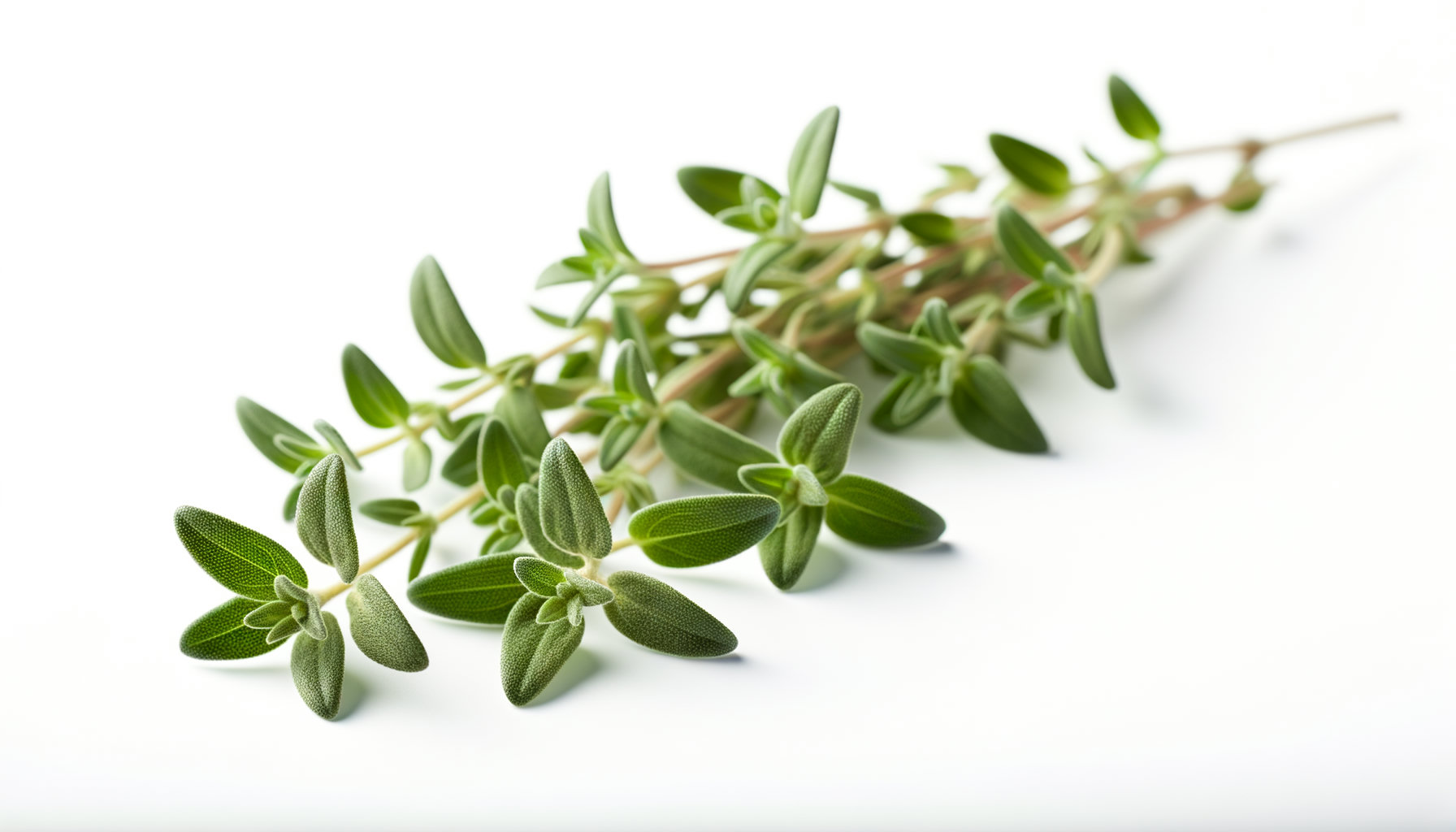
Lemon Thyme
Thymus × citriodorus
Sensory Profile
Tastes
Basic flavor profiles
Aromas
Scent characteristics
Stimuli
Sensory sensations
Textures
Physical properties
About Lemon Thyme
Lemon Thyme (Thymus × citriodorus) is a captivating herb that marries the earthy, slightly peppery notes of traditional thyme with a bright, citrusy aroma reminiscent of fresh lemons. Its delicate, slender leaves possess a velvety texture that releases an invigorating scent when crushed, making it a delightful addition to a variety of culinary applications. The herb's flavor profile is characterized by a subtle lemony zest that enhances dishes without overpowering them, allowing it to shine in preparations such as roasted chicken, where its essential oils interact with the proteins, promoting a savory depth while balancing the richness of the meat. In Mediterranean cuisine, Lemon Thyme is often featured in classic dishes like ratatouille, where its citrus notes elevate the dish's vibrant vegetable medley, and in herb-infused oils, where it imparts a refreshing brightness that complements grilled fish or vegetables. Sourced primarily from the Mediterranean region, this herb holds cultural significance in French and Italian cooking, often cultivated in home gardens and used fresh to capture its essential oils at peak potency. What distinguishes Lemon Thyme is its unique chemical composition, which includes thymol and citral; these compounds not only contribute to its flavor but also enhance its preservative qualities, making it an excellent choice for marinades and dressings. Additionally, when dried, Lemon Thyme retains much of its aromatic profile, allowing chefs to incorporate it into spice blends or as a seasoning for long-cooked dishes, where its flavors can develop and deepen over time, creating a harmonious balance that is both complex and refreshing.
Associated health effects(26)
- Expectorant
- Mood Enhancement via Aromatic Exposure
- Antiseptic Skin Protection
- Antioxidant
- Allergic Reactions
- Respiratory Support via Antispasmodic and Expectorant Action
- Blood Pressure Reduction
- Liver Support
- Antihypertensive
- Thymol-Mediated Cytokine Modulation
- Immune Booster
- Mood Enhancement
- Respiratory Mucus Clearance
- Thymol-Mediated ACE Inhibition
- Cholesterol Management
- Digestive Protection
- Anti-aging Activity
- LDL Cholesterol Reduction
- Antibacterial
- Neuroprotection
- Antiviral
- Lipid Metabolism Support
- Digestive Aid
- Respiratory Support
- Anticancer Potential
- Anti-inflammatory
Nutrition per 100 g(4)
- Energy: 36 kcal
- Protein: 3 g
- Fat: 1 g
- Fiber: 4 g