
Lentil Sensory Map
Lentil
Lens culinaris
Sensory Profile
Tastes
Basic flavor profiles
Aromas
Scent characteristics
Stimuli
Sensory sensations
Textures
Physical properties
About Lentil
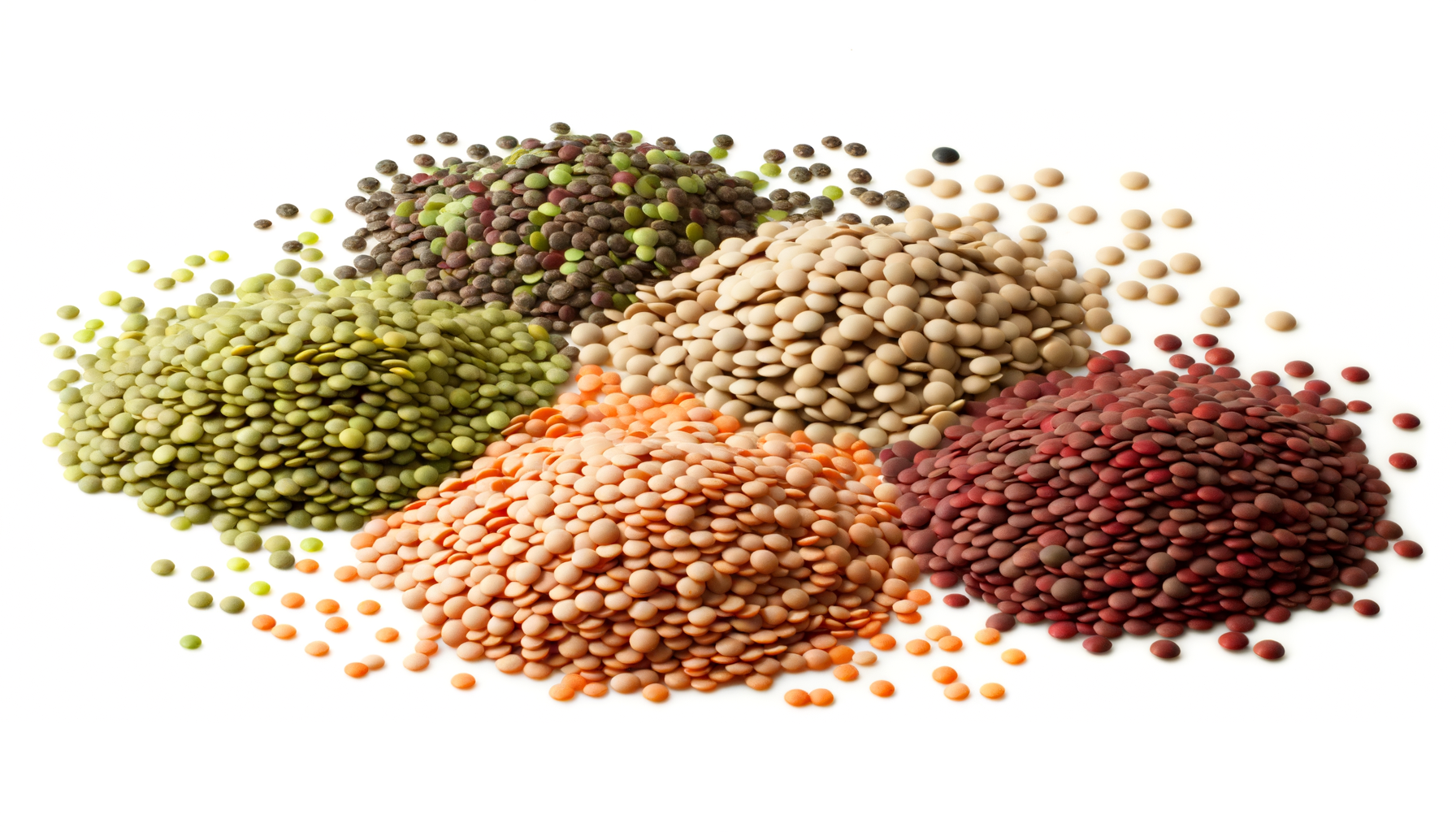
Lentils possess a mild, earthy flavor with a subtle nuttiness. Their texture varies from firm to creamy, depending on the variety and cooking method. When cooked, they absorb flavors well, making them versatile in a range of dishes. Lentils are a staple in various cuisines around the world, particularly in Indian, Middle Eastern, and Mediterranean cooking. They are commonly used in soups, stews, salads, and as a meat substitute in vegetarian dishes. Different varieties, such as green, brown, red, and black lentils, offer unique textures and cooking times, allowing for diverse culinary applications. Lentils are one of the oldest cultivated legumes, with origins tracing back to the Near East, particularly in regions of modern-day Turkey and Syria. Archaeological evidence suggests that lentils have been consumed for over 9,000 years, making them a significant part of human agriculture and diet. Lentils are small, lens-shaped seeds that come in various colors, including green, brown, red, yellow, and black. They are rich in protein, fiber, and essential nutrients, making them a nutritious addition to any diet. Lentils cook relatively quickly compared to other legumes, typically requiring only 15 to 30 minutes of cooking time, depending on the variety.
Associated health effects(77)
- Safety and Toxicity
- Zinc
- Diet Quality Improvement
- Satiety Enhancement
- Insulin Sensitivity Enhancement
- Micronutrient Density
- Intestinal Barrier Integrity Enhancement
- Colonic Transit Enhancement
- Constipation Relief
- Dietary Prebiotic Support
- Flatulence and Bloating
- Phytate Mineral Bioavailability Reduction
- Cardiovascular Protection
- Antioxidant
- Diabetes Management
- Cardiovascular Health
- Phytosterol-Mediated Cholesterol Reduction
- Short-Chain Fatty Acid Production
- Trypsin Inhibitor-Induced Protein Digestion Interference
- Blood Pressure Reduction
- Folate Source
- Nephroprotection
- Gastrointestinal Barrier Integrity Enhancement
- Nutritional Advantages
- Digestive Bulk Support
- Cancer-Preventive
- Lectin-Induced Gastrointestinal Toxicity
- Blood Cholesterol Reduction
- Colonic Barrier Protection
- Blood Sugar Support
- Micronutrient-Dense Protein Support
- Antidiabetic Activity
- Blood Sugar Regulation
- Saponin-Mediated Cancer Risk Reduction
- Immune Booster
- Chronic Disease Prevention
- Immune Modulation
- Protein Quality Limitation
- Polyphenol-Mediated Antioxidant Activity
- Malnutrition Prevention
- Amino Acid Support
- Anti-obesity Activity
- Iron Content Support
- No Evidence of Toxicity, Heavy Metals, or Contaminants
- Plant-based Protein Source
- Polysaccharide Immune Modulation
- Dietary Fiber
- Allergic Reaction Risk
- Prebiotic Fiber-Mediated Gut Microbiota Improvement
- Bone Health
- Gastrointestinal Discomfort
- Cholesterol Management
- Potassium Content Support
- Manganese
- Gluten-Free Nature
- Protein Content
- Dietary Lectin Exposure
- Hypolipidemic Activity
- Nutrient Interference
- Weight Management
- LDL Cholesterol Reduction
- Potassium
- Saponin-Mediated Cholesterol Reduction
- Fiber Content
- Osteoporosis Prevention
- Low Glycemic Impact
- Digestive Prebiotic Support
- Manganese-Mediated Enzyme Support
- Colorectal Cancer Risk Reduction
- Resistant Starch Support
- Lectin Exposure
- Digestive Aid
- Short-Chain Fatty Acid Production Enhancement
- Cholesterol Improvement
- Digestive Health
- Anticancer Potential
- Anti-inflammatory
Nutrition per 100 g(4)
- Energy: 116 kcal
- Protein: 9 g
- Fat: 0.8 g
- Fiber: 7.9 g