
Licorice Sensory Map
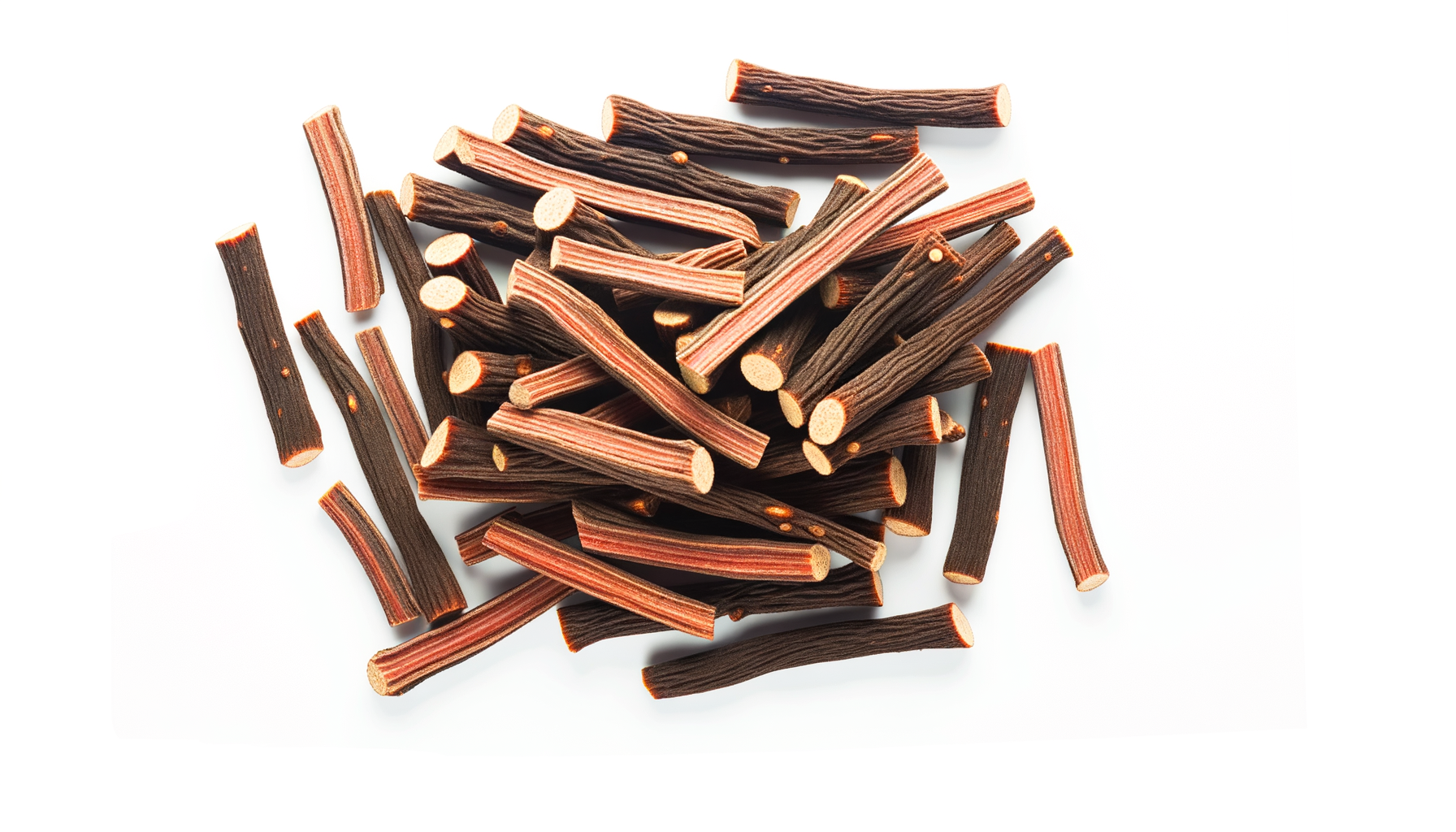
Licorice
Glycyrrhiza glabra
Sensory Profile
Tastes
Basic flavor profiles
Aromas
Scent characteristics
Stimuli
Sensory sensations
Textures
Physical properties
About Licorice
Licorice possesses a unique, sweet flavor that is often described as anise-like, with a complex profile that includes earthy, woody, and slightly bitter notes. Its sweetness is significantly more intense than sugar, making it a distinctive addition to both sweet and savory dishes. In culinary applications, licorice is used in a variety of forms, including dried root, powder, and extracts. It is commonly found in confections, such as candies and herbal teas, where its sweet and aromatic qualities shine. In savory dishes, licorice can enhance sauces, marinades, and glazes, particularly in Middle Eastern and Asian cuisines. It pairs well with meats, especially lamb and duck, and can be used to flavor beverages, including cocktails and liqueurs. Licorice is native to the Mediterranean region and parts of Asia, particularly in countries like Greece, Turkey, and Iran. The plant thrives in well-drained soils and has been cultivated for thousands of years for its medicinal and culinary properties. Licorice root is characterized by its long, slender, and fibrous structure, with a brownish exterior and a yellowish interior. The plant itself can grow up to 1 meter tall, featuring pinnate leaves and purple flowers. Beyond its culinary uses, licorice is renowned for its potential health benefits, including anti
Associated health effects(14)
- Kidney Stress
- Ulcer Healing Support
- Estrogenic Activity
- Pseudohyperaldosteronism
- Cardiovascular Stress
- Immune Booster
- Flavor and Culinary Use
- Hepatoprotection
- Interaction with Medications
- Stress Relief
- Antibacterial
- Antiviral
- Digestive Aid
- Anti-inflammatory
Nutrition per 100 g(4)
- Energy: 318 kcal
- Protein: 2 g
- Fat: 0.5 g
- Fiber: 5 g