
Lime Sensory Map
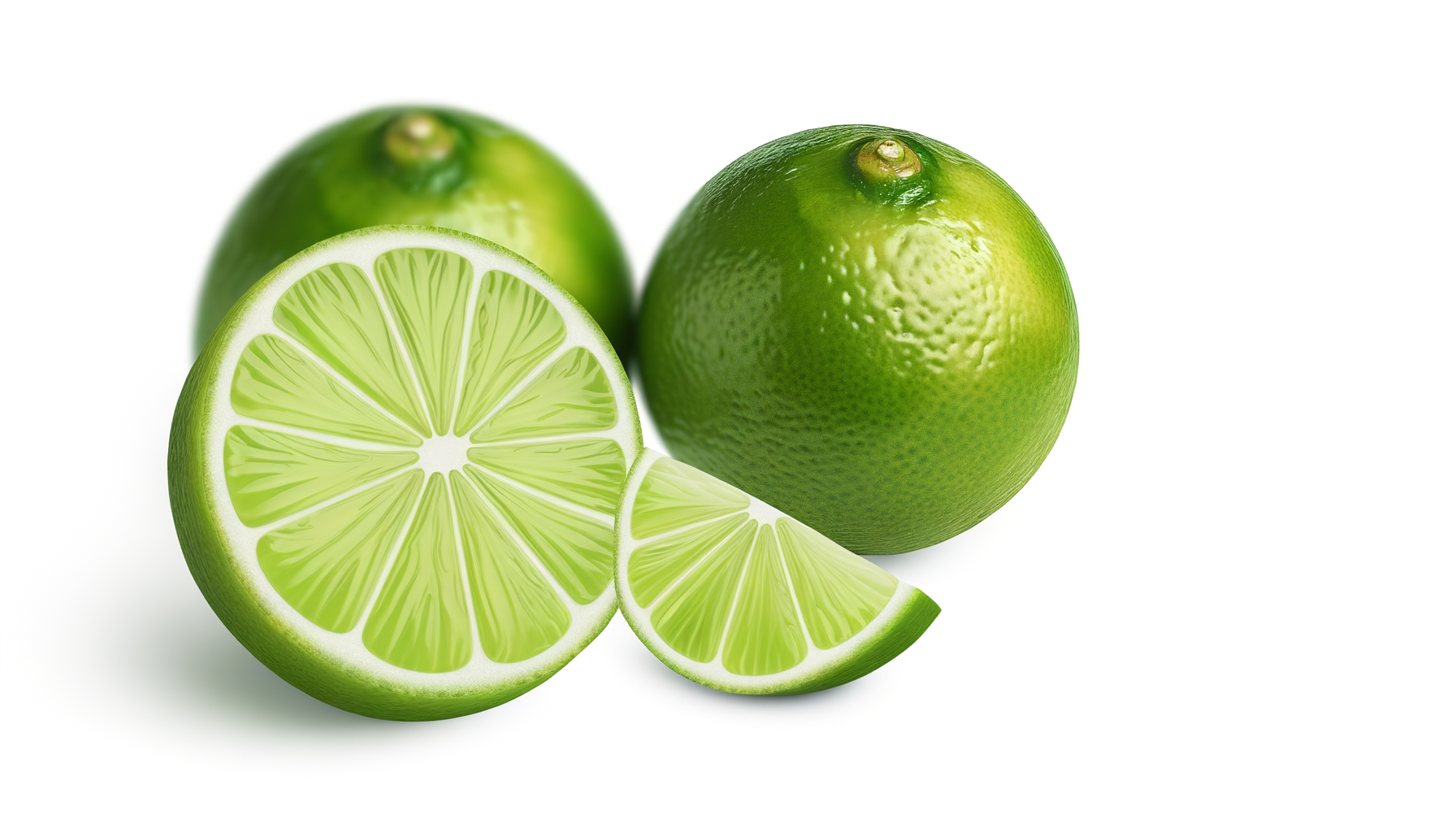
Lime
Citrus latifolia
Sensory Profile
Tastes
Basic flavor profiles
Aromas
Scent characteristics
Stimuli
Sensory sensations
Textures
Physical properties
About Lime
Lime offers a vibrant, tangy flavor that is both tart and slightly sweet, with a refreshing acidity that brightens dishes. Its zest adds a fragrant, citrusy aroma, enhancing the overall sensory experience. Lime is a versatile ingredient widely used in culinary applications across various cuisines. It is essential in Mexican, Thai, and Indian dishes, often used to elevate salsas, marinades, dressings, and beverages like cocktails and limeade. The juice is commonly employed to balance rich flavors in seafood, poultry, and salads, while the zest can be used to impart a citrusy kick to baked goods and desserts. Lime is believed to have originated in Southeast Asia, specifically in the regions of Malaysia and Indonesia. It was later introduced to the Mediterranean and the Americas through trade routes. Today, it is cultivated in tropical and subtropical climates around the world, with Mexico being one of the largest producers. Limes are small, typically round or oval, and have a thin, smooth skin that ranges from bright green to yellow as they ripen. They are rich in vitamin C and other antioxidants, contributing not only to their culinary appeal but also to their health benefits. The fruit is often confused with lemons, but limes are generally smaller and have a more intense flavor. Their juice and zest are prized for their
Associated health effects(14)
- Antioxidant
- Wound Healing
- Immune Booster
- Flavor and Culinary Use
- Skin Health
- Dental Erosion
- Cholesterol Management
- Anemia Prevention
- Antibacterial
- Kidney Stone Prevention
- Heart Health
- Digestive Aid
- Anti-inflammatory
- Cognitive Support
Nutrition per 100 g(4)
- Energy: 30 kcal
- Protein: 0.99 g
- Fat: 0.2 g
- Fiber: 2.8 g