
Lobster Sensory Map
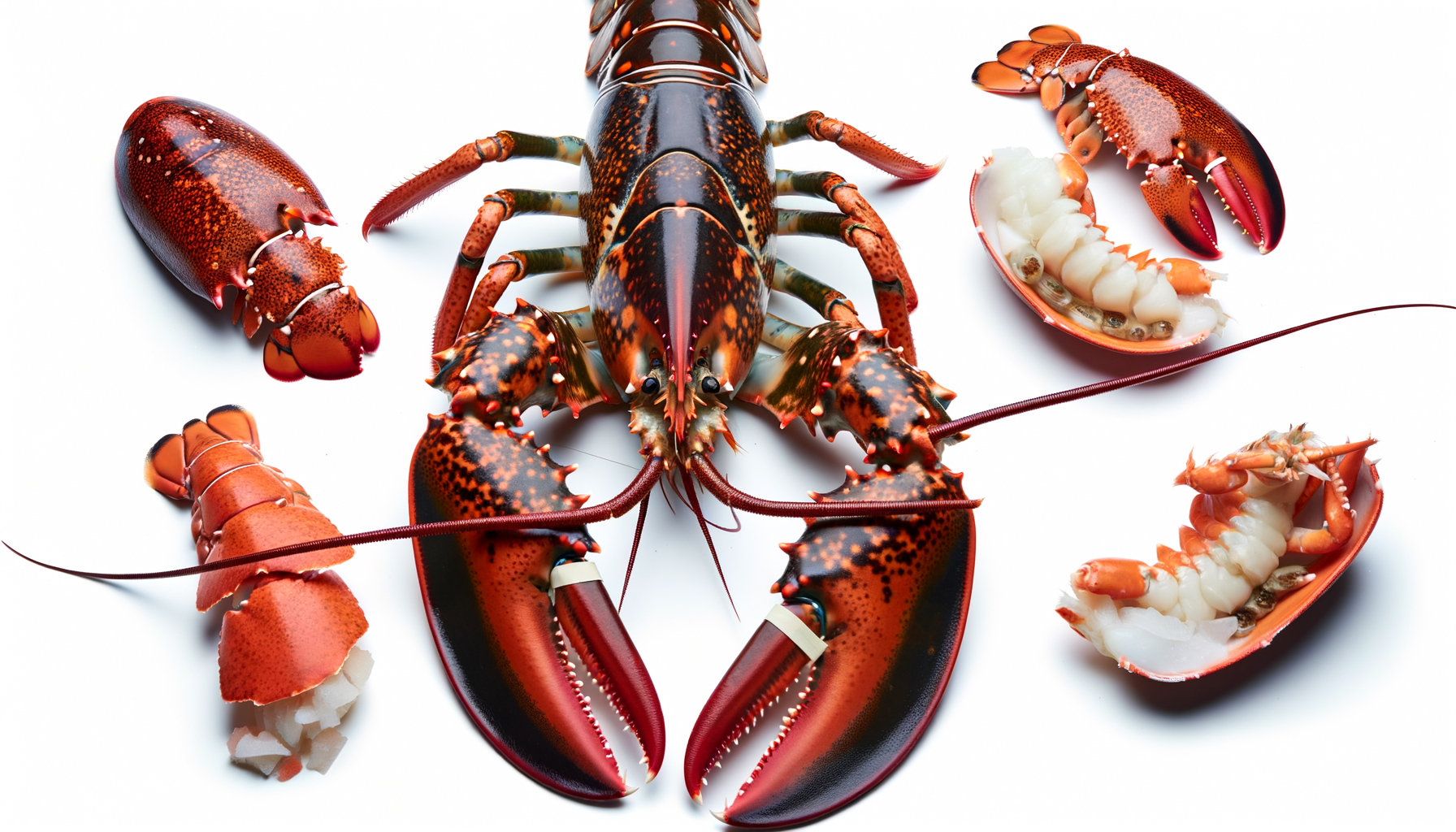
Lobster
Homarus americanus
Sensory Profile
Tastes
Basic flavor profiles
Aromas
Scent characteristics
Stimuli
Sensory sensations
Textures
Physical properties
About Lobster
Lobster is renowned for its sweet, delicate flavor and tender, succulent texture. The meat is rich and buttery, with a subtle brininess that reflects its marine habitat. The flavor is often described as a cross between shrimp and crab, with a slight nuttiness that enhances its appeal in various culinary applications. Lobster is a versatile ingredient in the culinary world, prized for its ability to elevate dishes. It is commonly boiled or steamed and served with melted butter, but it can also be grilled, baked, or incorporated into soups and bisques. Lobster meat is often used in pasta dishes, salads, and seafood risottos, and it can be transformed into luxurious lobster rolls or served as a decadent topping for pizzas. Its rich flavor pairs well with herbs like tarragon and chives, as well as citrus elements that brighten its natural sweetness. Homarus americanus, commonly known as the American lobster, is native to the North Atlantic Ocean, predominantly found along the northeastern coast of the United States and eastern Canada. Historically, lobsters were abundant and often consumed by coastal communities, but they have since become a symbol of luxury and fine dining due to their high demand and limited supply. American lobsters are easily recognizable by their large claws, which are asymmetrical—one claw is significantly larger than the other,
Associated health effects(31)
- Zinc
- Micronutrient Support
- Selenium Status Improvement
- Heavy Metal Exposure
- Purine Content
- Cardiovascular Protection
- Antioxidant
- Allergic Reactions
- Vitamin B12 Nervous System Support
- Saturated Fat and Cholesterol
- Crustacean Allergenicity
- Bacterial Contamination Risk
- Immune Modulation
- Foodborne Illness Risk
- Mineral Content
- Skin Health
- High Cholesterol Content
- Bone Health
- Choline Support
- Nutrient-Dense Protein Support
- Anemia Prevention
- Brain Health
- Phosphorus
- Protein Content
- Omega-3 Fatty Acid Support
- Weight Management
- Heart Health
- Thyroid Homeostasis Support
- Anticancer Potential
- Anti-inflammatory
- Cognitive Support
Nutrition per 100 g(4)
- Energy: 87 kcal
- Protein: 19 g
- Fat: 1 g
- Fiber: 0 g