
Locust Bean Gum Sensory Map
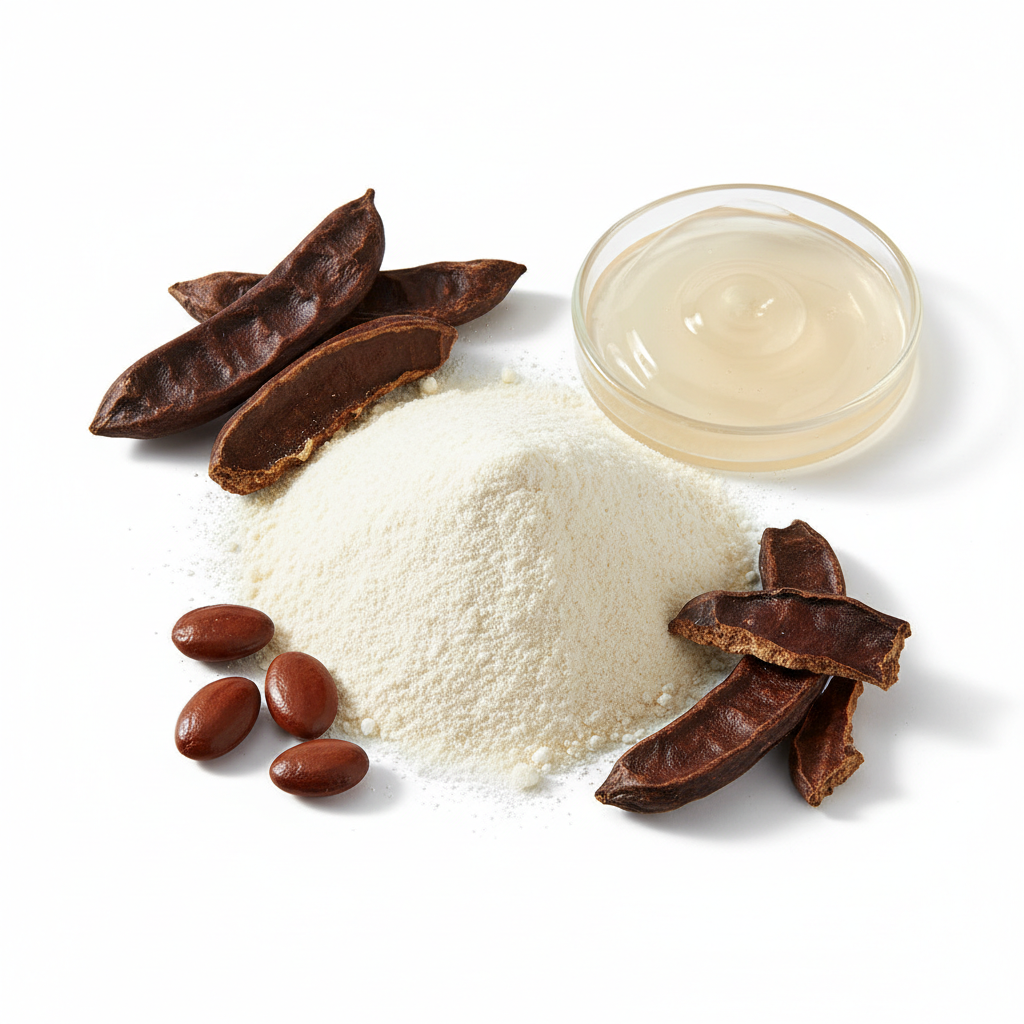
Locust Bean Gum
Ceratonia siliqua
Sensory Profile
Tastes
Basic flavor profiles
Aromas
Scent characteristics
Stimuli
Sensory sensations
Textures
Physical properties
About Locust Bean Gum
Locust Bean Gum (E410, green label = safe), also known as Carob Bean Gum, is a galactomannan vegetable gum extracted from the endosperm of the Mediterranean carob tree, characterized by a neutral, slightly nutty flavor profile and a completely odorless, off-white appearance that ensures the sensory integrity of the primary ingredients remains uncompromised. In professional pastry and dairy applications, it is prized for its synergistic relationship with other hydrocolloids; for instance, in the production of traditional Sicilian *gelato* or high-end cream cheese, it functions as a potent stabilizer that prevents whey syneresis (weeping) and inhibits the growth of ice crystals by binding water molecules into a smooth, resilient matrix. Historically rooted in the arid landscapes of the Mediterranean basin and the Middle East, the gum is produced through a meticulous process of kibbling the carob pods, followed by acid treatment or thermal roasting of the seeds to isolate the mucilaginous endosperm. Unlike many other thickeners, Locust Bean Gum is uniquely distinguished by its "thermo-reversible" nature, requiring heat—specifically reaching temperatures of approximately 85°C (185°F)—to achieve full hydration and peak viscosity, a property that allows chefs to create gels that are exceptionally stable at room temperature yet provide a clean, non-clinging mouthfeel. Furthermore, when blended with Xanthan gum or Carrageenan, it transforms from a simple thickener into a sophisticated gelling agent, creating a cross-linked molecular structure that provides the elastic "stretch" essential for vegan meat analogues and gluten-free doughs.
Associated health effects(9)
- Gastric Content Thickening
- Food Additive-Induced Gut Disruption
- Digestive Bulk Support
- Blood Cholesterol Reduction
- Drug Absorption Interference
- Appetite Reduction via Fiber-Induced Satiety
- Blood Sugar Regulation
- Bowel Regularity Improvement
- Gastrointestinal Discomfort
Nutrition per 100 g(4)
- Energy: 356 kcal
- Protein: 1.5 g
- Fat: 0.5 g
- Fiber: 0.5 g