
Lolot Pepper Sensory Map
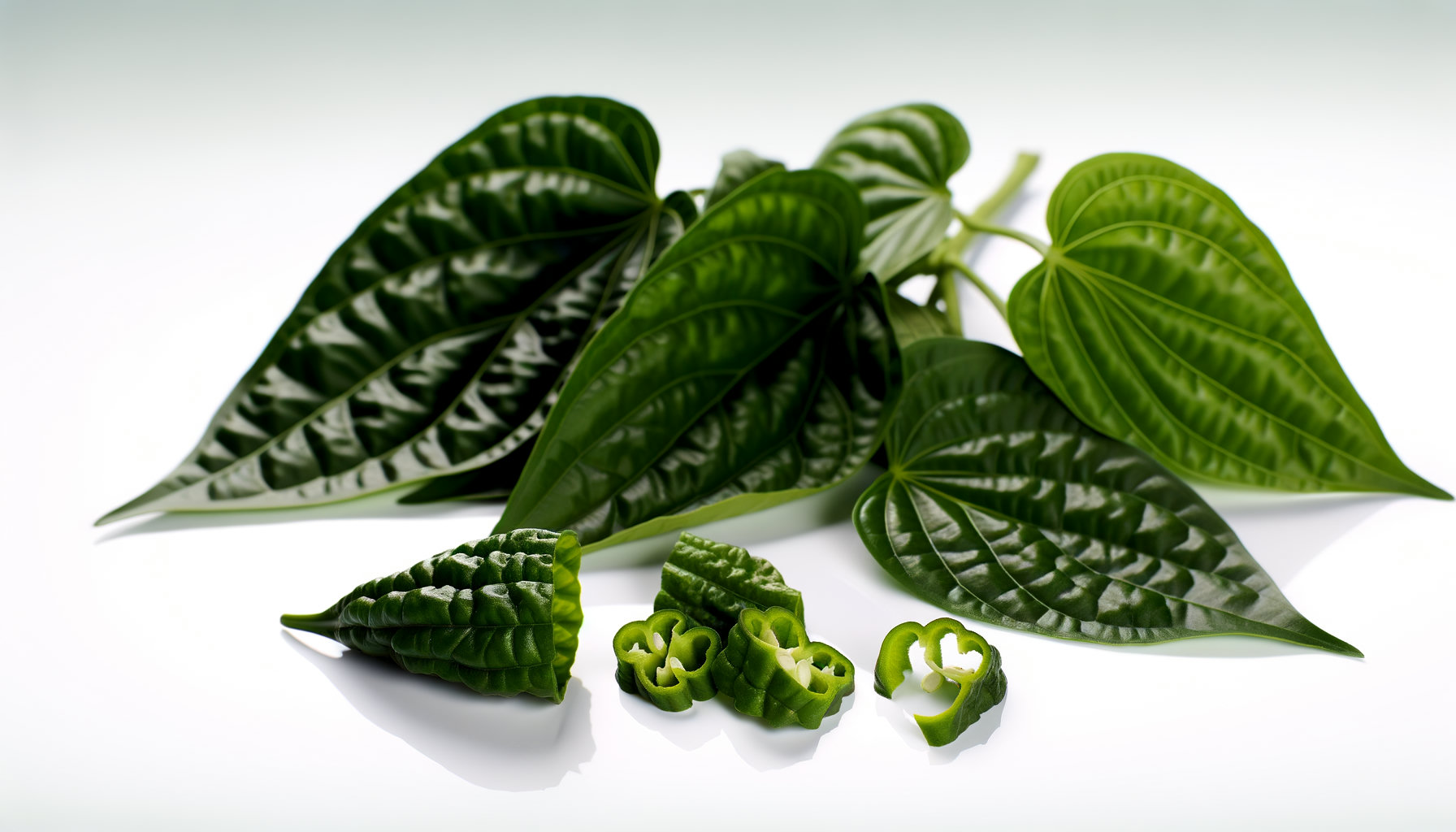
Lolot Pepper
Piper sarmentosum
Sensory Profile
Tastes
Basic flavor profiles
Aromas
Scent characteristics
Stimuli
Sensory sensations
Textures
Physical properties
About Lolot Pepper
Lolot pepper, not to be confused with Betel pepper, offers a unique flavor that is both peppery and slightly herbal, with a hint of earthiness. Its taste is milder compared to traditional black pepper, featuring a subtle warmth that enhances rather than overwhelms dishes. Primarily used in Southeast Asian cuisine, particularly in Vietnamese and Thai dishes, Lolot pepper leaves are often utilized as a wrapping for grilled meats, seafood, and vegetables. The leaves can be used fresh or cooked, imparting a fragrant, peppery note to dishes such as salads, stir-fries, and soups. Additionally, the leaves can be infused into sauces or used in marinades to add depth and complexity. Lolot pepper is native to the tropical regions of Southeast Asia, thriving in countries such as Vietnam, Thailand, and Malaysia. It is commonly found in the wild and cultivated in home gardens, where it is valued for both its culinary and medicinal properties. Lolot pepper is characterized by its heart-shaped, glossy green leaves, which are often mistaken for those of the betel vine. The plant is a perennial climbing vine, belonging to the Piperaceae family, and can grow up to several meters in length. Its leaves are not only aromatic but also rich in essential oils, contributing to their distinctive flavor.
Associated health effects(8)
- Cardiovascular Protection
- Analgesic Activity
- Antidiarrheal Activity
- Acetylcholinesterase Inhibition
- Counter-irritant Activity
- Digestive Aid
- Anticancer Potential
- Anti-inflammatory
Nutrition per 100 g(4)
- Energy: 38 kcal
- Protein: 3 g
- Fat: 0.5 g
- Fiber: 2.5 g